Stop the Chipping: Why We Preheat Glass with Infrared
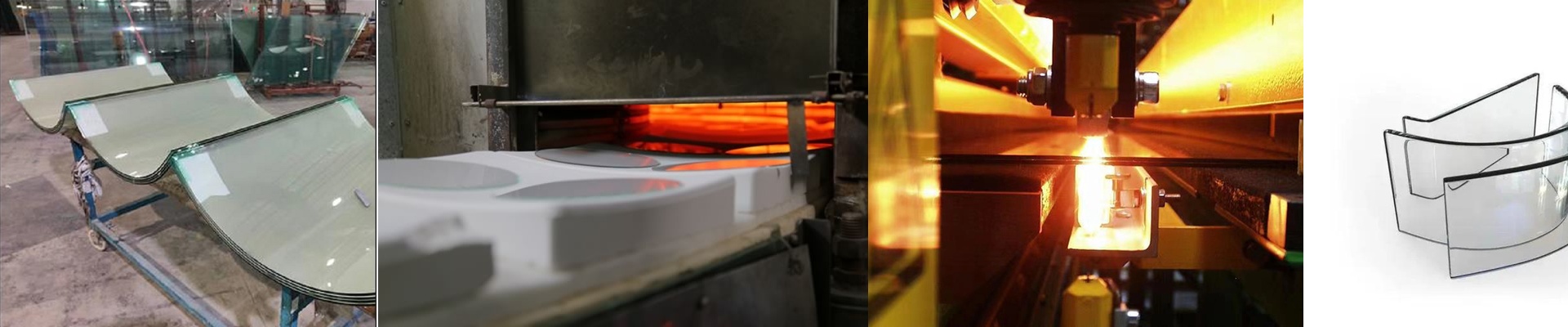
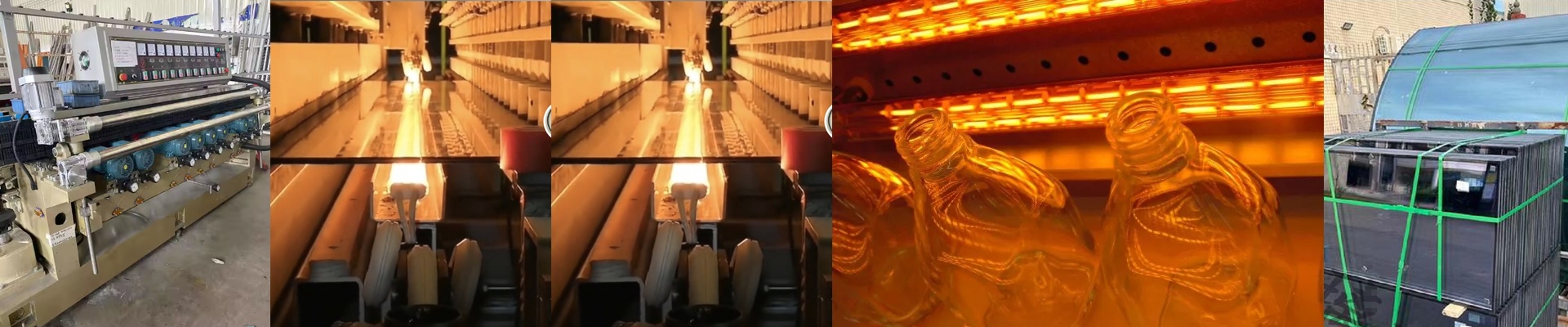
Cutting glass always feels like a fight against the material itself. You score it, you snap it, and then—pop—the fracture wanders. You end up with those annoying chips or a corner that just breaks away. It’s frustrating, and it wastes a lot of good glass. The trick to fixing this is shortwave infrared (IR) preheating. We basically change how the glass behaves before the blade even touches it. The secret is in the heat. Glass is stubborn and brittle. When we hit the surface with targeted IR radiation, we aren’t trying to melt it—that would be a disaster. We’re just warming it up. This relaxes the internal stress and makes the surface layer a bit more “forgiving.” When the glass is warm, the crack follows the line much more faithfully. You get a clean, sharp break. That means way fewer rejected sheets and a lot less time spent grinding and polishing edges. Getting the setup right To make this work, we use shortwave quartz halogen lamps. These things are powerful. They dump a ton of energy into the glass almost instantly. The best part? IR doesn’t waste time heating up the air in the room; it goes straight into the glass. We usually line these up in arrays across the cutting bed. But you have to be careful. You’re balancing wattage and distance to avoid “hot spots.” If you go overboard and overheat the glass, you’ll actually create new stresses, and the sheet might crack in ways you didn’t plan for. You’ve got to make sure your control system keeps the lamp intensity in sync with your line speed. That’s the only way to keep the temperature steady across the whole sheet. A few things to watch out for High-wattage lamps are great for fast cycle times, but they’re hungry for power. Check your electrical panel. You don’t want voltage drops or tripped breakers right in the middle of a run. And honestly? These lamps get hot. Really hot. If your shop is already a sauna, you’re going to need some solid ventilation or cooling for the housings. If you don’t, you’ll end up burning out your sockets, and then you’re back to square one.