Dealing with Voltage Headaches in High-Gloss Glass Drying
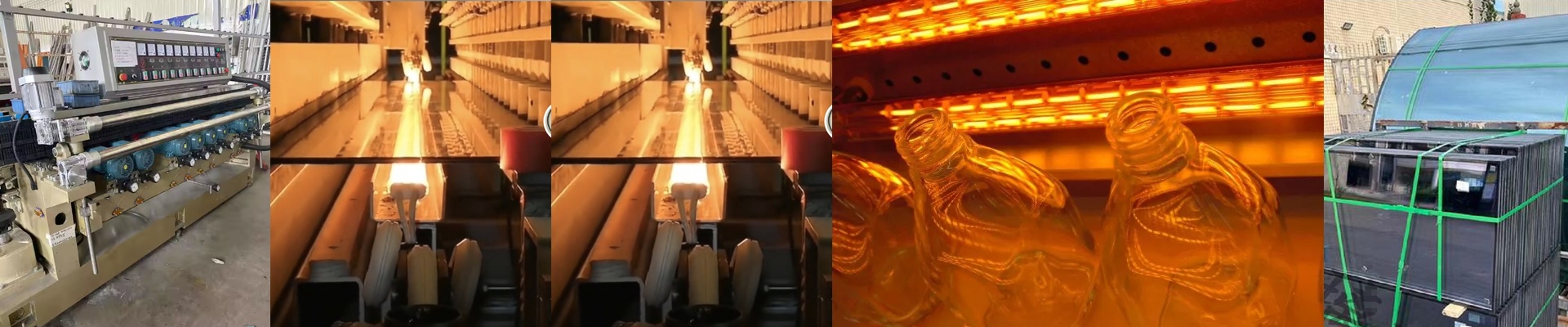
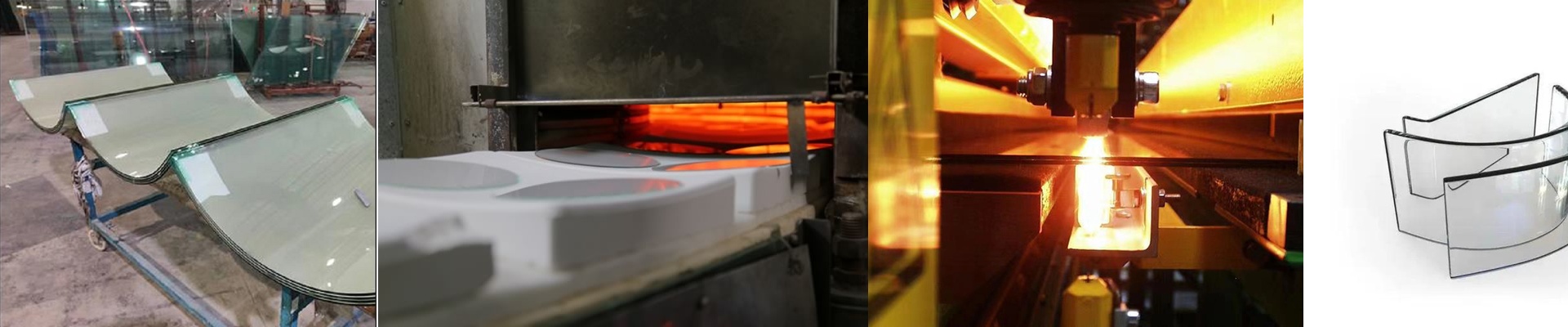
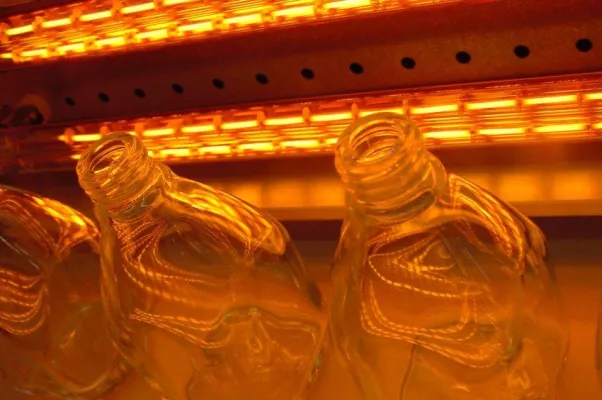
If you’re chasing that perfect high-gloss finish on glass, you know it’s all about the heat. You need it fast, you need it precise, and you can’t have any lagging. That’s where infrared (IR) lamps come in. But here’s the thing: for engineers moving production lines around the world, the heat isn’t actually the hard part. It’s the power grid.
The 110V to 575V Mess
You can’t just grab a generic lamp off the shelf when your machinery is crossing borders. If you take a lamp built for 110V in the States and plug it into a 480V or 575V industrial circuit? It’s gone. Burned out instantly. That’s why we build our IR lamps to match the actual standards of the country you’re working in. When you move up to those high-voltage setups (like 480V or 575V), you can push more wattage through longer tubes without the current spiking. It means you don’t need massive, chunky wiring, and you don’t lose power as it travels down the line. If you’re running a giant dryer tunnel, this is how you make sure the last lamp is just as hot as the first one.
Getting the Hardware Right
We don’t just slap a transformer on it and call it a day. That’s a shortcut. Instead, we actually tweak the length and diameter of the filament. Why? Because we want the wattage to stay the same regardless of the voltage coming out of the wall. It means your curing time stays identical whether your machine is sitting in a plant in Mexico or a warehouse in Canada. Depending on how deep that heat needs to soak into the coating, you can go with shortwave or medium-wave emitters. Shortwave is the way to go if you want that “snap” for a high-gloss surface.
The Trade-offs
Now, these custom lamps fit right into your existing fixtures, but they aren’t exactly “plug and play” if you don’t have a plan. High-wattage IR lamps put out an incredible amount of heat. If you go with a high-voltage, high-output array, you’ve got to make sure your cabinet ventilation can actually breathe. If it can’t move that hot air out, you’re going to fry your control boards. And that’s a headache nobody wants.