The Secret to Glass That Doesn’t Just Shatter
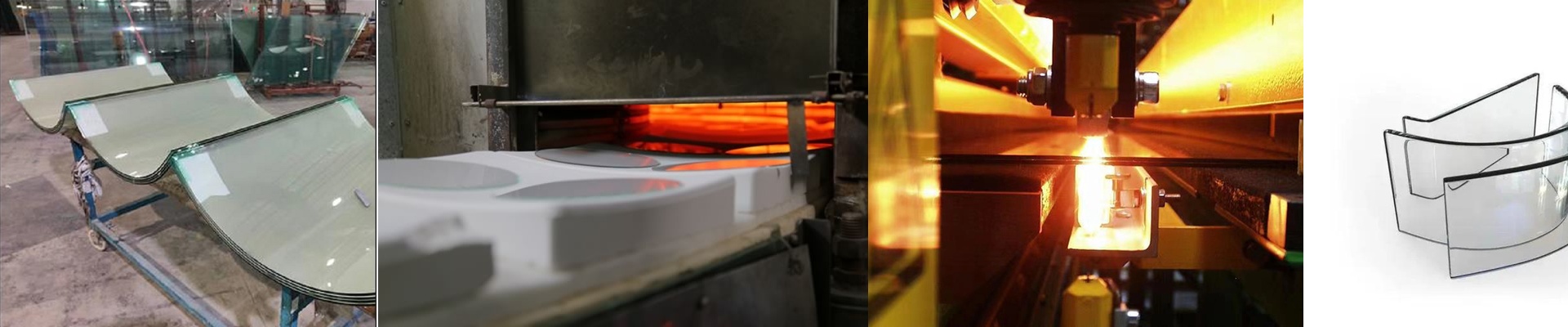
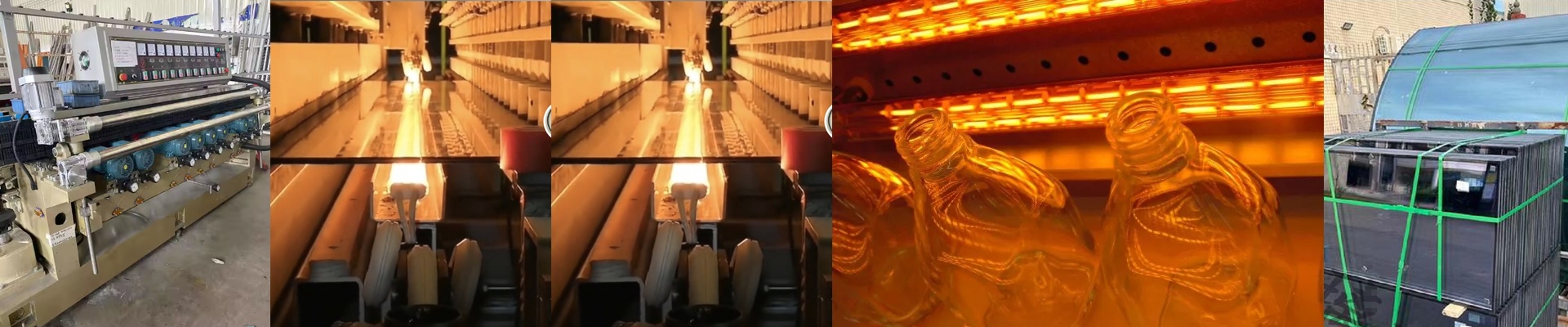
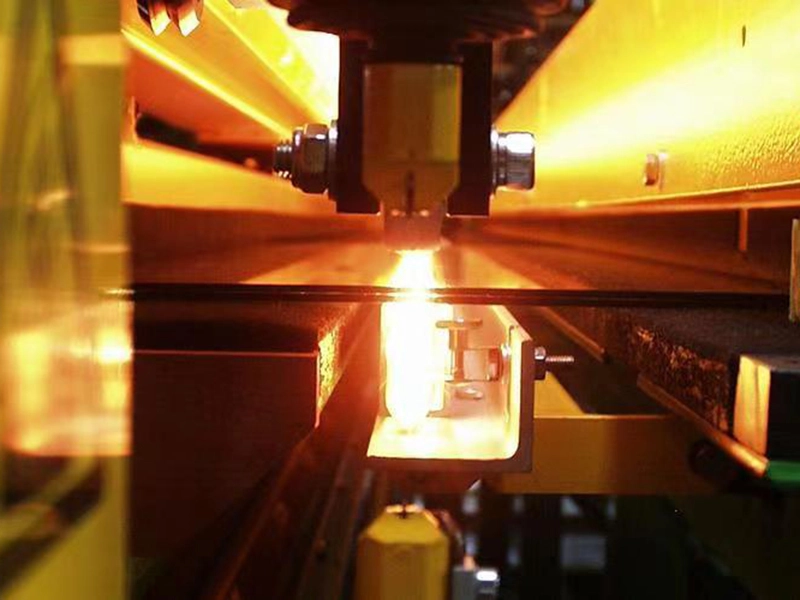
Ever had a piece of lab glassware just… explode? No warning, no impact. Just a mess of shards on the floor. That happens because of internal stress. When glass cools too quickly or gets hit with uneven heat, it traps tension inside the material. It’s like a ticking time bomb. To stop that, you need a way to neutralize those stresses, and that’s where precision infrared (IR) lamps come in. We’re talking about a tolerance of 0.1°C. Why bother with 0.1°C? It sounds like overkill, but glass is picky. There’s a very tiny window where it’s “just right” for annealing. If your heat swings by even a couple of degrees, you’re basically just creating new stress points. We pair our IR components with high-speed PID controllers to keep things locked in. It keeps the glass in that sweet spot—plastic enough for the molecules to settle down, but not so hot that the whole thing starts to sag or warp. Getting the heat where it actually matters Most people think of heat as something that wraps around an object, but convection is slow. We use short-wave IR emitters because they actually punch through the surface. You’re heating the core of the tube, not just the outer skin. But here’s the trick: you have to watch your spacing. If there are gaps between your lamps, you get “cold spots.” Those are the birthplaces of fractures. I always recommend overlapping the radiation fields. It ensures the temperature is a smooth, straight line from one end of the piece to the other. The trade-offs you should know about Precision isn’t free. This kind of heating puts a real strain on your power supply. You can’t just flick a switch on and off; that’s too jerky for the glass. You’ll need SCR power controllers using phase-angle firing to keep the power flow steady. And a word of caution: don’t try to cheat the clock. It’s tempting to crank the wattage to max to speed up the cycle, but that’s a recipe for “hot spots.” If you push the heat density too hard, the glass might warp before the stress even has a chance to leave. Slow and steady wins here. Balance your ramp-up with your cooling rate, or you’re just wasting the precision of the equipment.