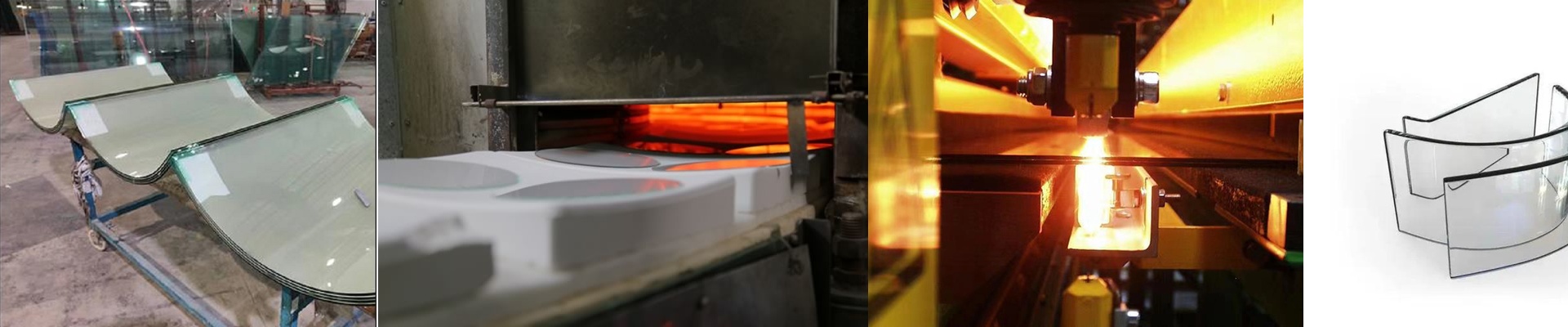
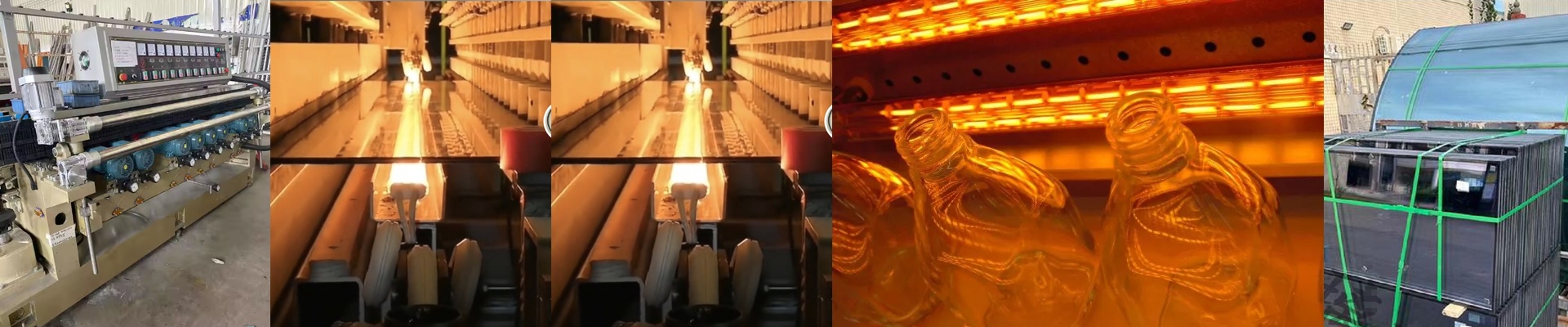


On the line, a coating cure is only as good as the last sheet. Uneven drying brings on stress, pinholes, and adhesion loss — then the reject pile climbs while throughput stalls. We built the uniform coating drying module to take that variability out of the equation. It locks in a repeatable heat profile, shift after shift, across tempering, bending, and lamination lines. What matters under the hood The module leans on near-infrared (NIR) quartz emitters for fast, surface-dominant heating with minimal convection drift. A dense, low-profile array and reflector geometry create a uniform thermal field, so edge-to-center stays tight — typically ±3% across the active width. Response is quick: full output in seconds, and a fast ramp-down once the conveyor indexes. We match industrial power and voltage, with standardized mounting and termination for straightforward integration. The control interface runs closed-loop temperature feedback, so setpoints translate into stable dwell profiles even when line speed shifts. In glass processing, coating drying and adhesive pre-cure have to land in a narrow thermal window. Too cool, and solvents hang around. Too hot, and you risk thermal shock, bow, or optical distortion. This module hits the mark fast, shortens cycle time, and holds the same profile across low-e, reflective, and coated substrates. Energy use drops because heat is delivered on demand, not kept idling in a big oven. The payoff: fewer rework sheets, higher first-pass yield, and a steadier line rhythm. Here’s the thing with NIR: it heats the surface directly, so emissivity and glass tint change absorption. Startup profiles need tuning for your specific product mix. Clear glass and dark coatings behave differently. Plan a short validation run, then lock in the recipe. The module is compact, but airflow and clearance still matter. Keep the emitter face clean and maintain the cooling path; otherwise, uniformity drifts. We provide preset maps and calibration steps, but you get the best results by matching the module to your conveyor pitch, dwell length, and target temperature.