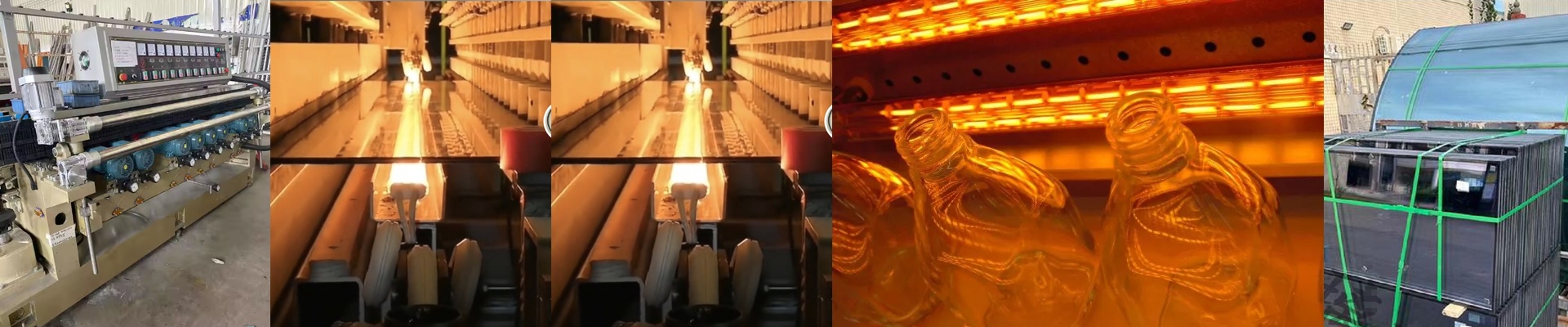
Stop Fiddling With Lamps and Start Heating Glass
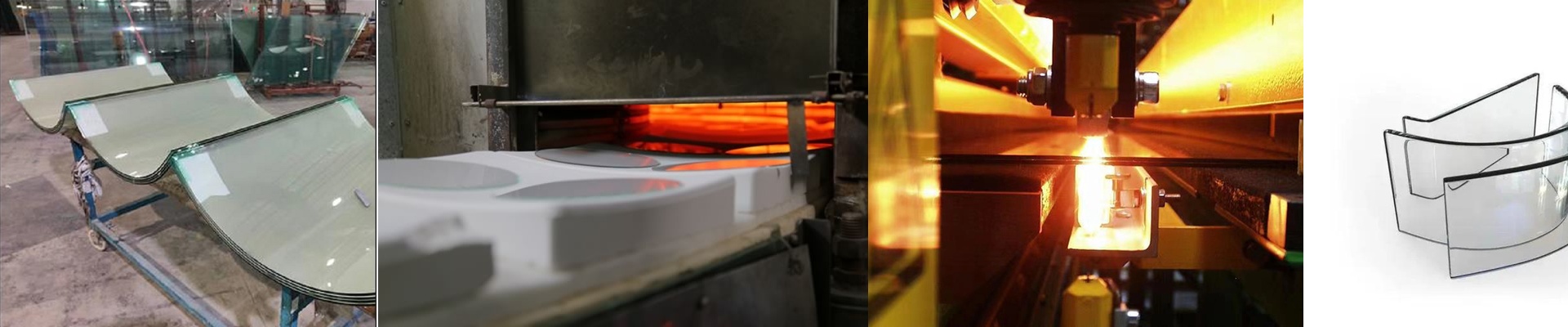
Buying a single high-temp infrared lamp is the easy part. Anyone can do that. The real headache starts when you have to cram ten of those lamps into a curved glass molding frame. That’s where the labor costs blow up. You’ve got technicians spending hours on wiring, fighting with brackets, and hoping everything is aligned just right. We figured there’s a better way. Instead of just shipping you a box of parts, we build the whole heating module for you. You get a finished piece of gear that drops right into your machine, skipping all that manual assembly on your shop floor.
The trick to heating glass
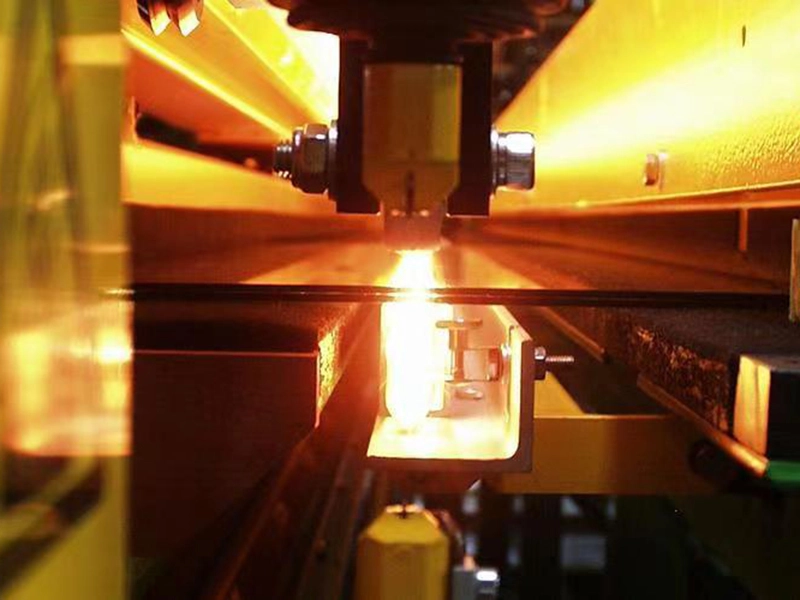
Here’s the thing about glass molding: you need a massive amount of heat, and you need it to be precise. If you don’t hit that softening point exactly, you risk surface crystallization, and then you’ve got a problem. We use short-wave infrared because it actually sinks into the glass rather than just heating up the air around it. When you’re picking your lamps, keep an eye on the wattage-to-length ratio. More wattage means you’ll ramp up faster and hit your cycle times. But be careful—pushing too much power puts a lot of stress on the quartz envelope. It’s a balancing act.
Why a module beats a pile of parts
A lamp on its own is just a tube. A module is a tool that’s actually ready to work. We build these with the reflectors and curved brackets already in place, tailored to the exact shape of your mold. We handle the messy stuff—the wiring, the connectors, the insulation. When it arrives, it just fits. This saves you from those “oh no” moments where a technician miswires a circuit or doesn’t seat a lamp properly. Those little mistakes are usually why lamps burn out way sooner than they should.
A few things to keep in mind
High-output modules put out a ton of heat. Like, a lot. You’ll want to make sure your cooling fans and vents can actually handle that heat soak. If the housing isn’t vented properly, that heat will creep back into your control electronics and start causing glitches. By letting us handle the assembly in our shop, you stop spending your weekends managing a long list of parts. You get to focus on the actual thermal process. We send the module, you plug it in, and you get back to production.