Stop the Chipping: Why We Preheat Glass With Infrared
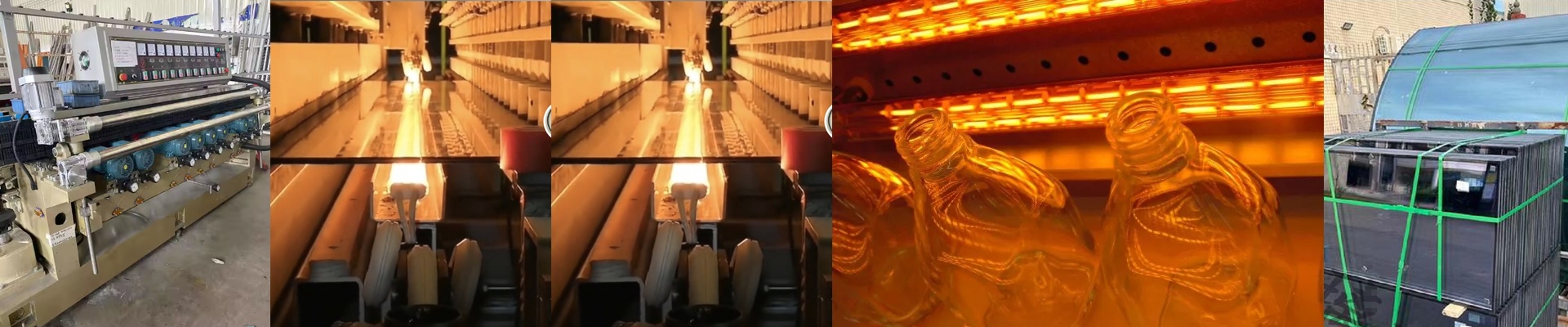
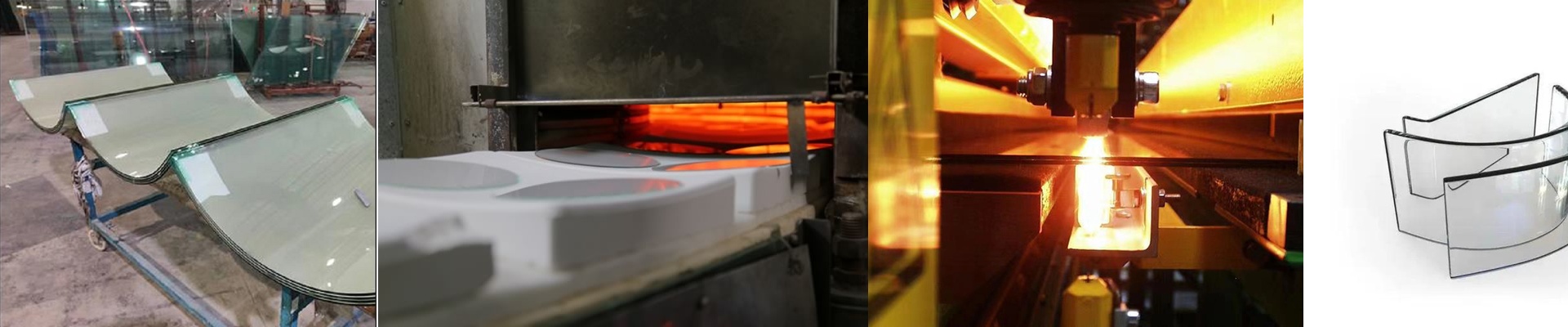
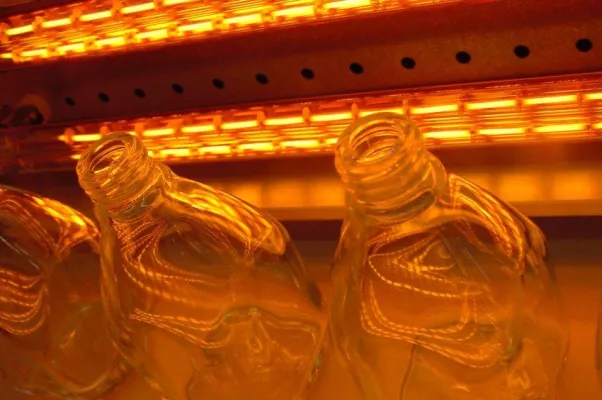
Cutting glass is basically just a game of controlled breaking. But when you’re scoring a sheet at room temperature, the glass often fights back. Internal stresses make the cracks jump around, and that’s how you end up with those annoying chips and corner breakouts that ruin a good piece. To fix this, we use infrared (IR) preheating. We warm the glass up before the cutting head ever touches it. The secret is in the heat. Glass doesn’t move heat around very well. When it’s cold, it’s rigid and tense. By hitting it with short-wave infrared heat, we soften that surface tension. It makes the material a bit more “relaxed.” When the diamond wheel hits that warmed-up surface, the crack just glides. It stays linear. No jumping, no jagged edges—just a clean break. Why bother with IR? We use IR lamps because they don’t waste time heating up the air in the factory. They shoot energy straight into the glass. It’s nearly instant. This means you can keep your line moving fast without worrying if the glass is actually warm enough. Plus, it’s flexible. If you’re running thicker sheets, you just give them a bit more time under the lamps so the heat sinks in deep. That’s what stops those deep-tissue fractures from happening. The catch (because there’s always one) Preheating isn’t a magic button. If you get too greedy with the heat, you’ll create new problems. Overheating can warp the glass or even make it crack on its own. You have to get your controllers dialed in just right. And keep in mind, adding these heaters takes up more floor space and draws more power from your panel. It’s all a balancing act. You’ve got to match your lamp wattage to your conveyor speed. Get that right, and your edges will be smooth as silk.