Getting Your Glass Heat Right: The Secret is Spectral Matching
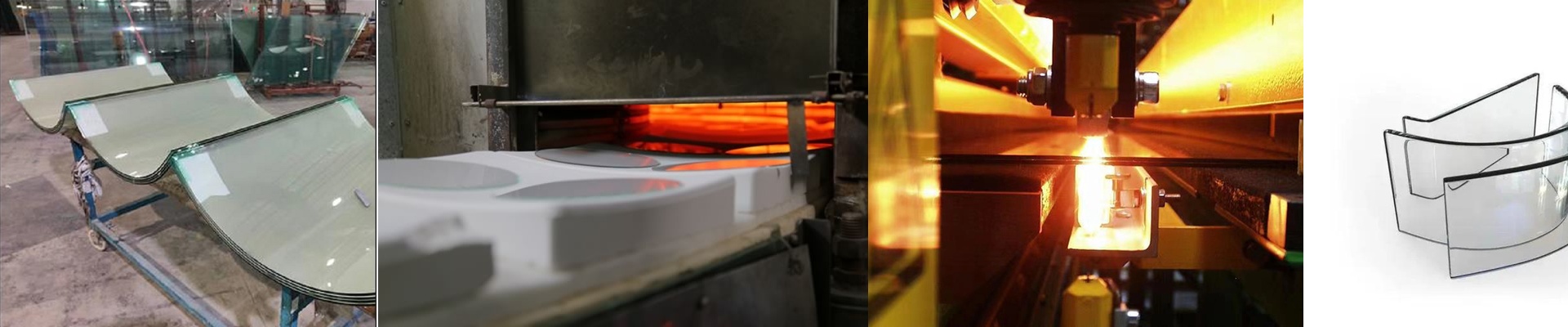
Most standard infrared lamps are just guessing. They throw heat at a piece of glass and hope for the best, but a lot of that energy just bounces off or vanishes into thin air. It’s a waste. When you’re heating a score line, you’re usually dealing with specific additives in the glass. These additives are picky. If the lamp isn’t hitting the exact “sweet spot” where those additives actually absorb energy, you end up with uneven heating and a power bill that makes no sense. Matching the Vibe of Your Glass We don’t just blast the glass with general heat. We look at the physics of your specific additives and tweak the lamp to match. By messing with the filament material and how we dope the quartz envelope, we can shift the emission curve. Think of it like tuning a radio to the exact frequency your glass is “listening” for. Instead of heating up the air around the workpiece, the energy goes straight into the score line where it actually belongs. The Balancing Act Here’s the thing: you can’t have everything. If we make the spectrum super narrow and targeted, it hits the additive like a hammer, but other parts of the glass might stay cold. If we go too broad, it’s more forgiving, but you lose that raw efficiency. That’s why we need to know your additive concentration before we lock anything in. If we push the absorption peak too hard, you’ll get localized hot spots. And as we all know, hot spots lead to cracks. Not a great look. Putting it to Work The best part? You don’t have to tear apart your shop to make this work. These lamps are drop-in replacements. The footprints are the same, so your existing jigs stay exactly where they are. Just wire them into your current controllers and you’re good to go. One heads-up, though: these high-intensity lamps run hot. Really hot. Just double-check that your cooling fans and heat sinks can handle the wattage. You don’t want your sockets melting in the middle of a long production run.