Getting the Heat Right for Mobile Glass Repair
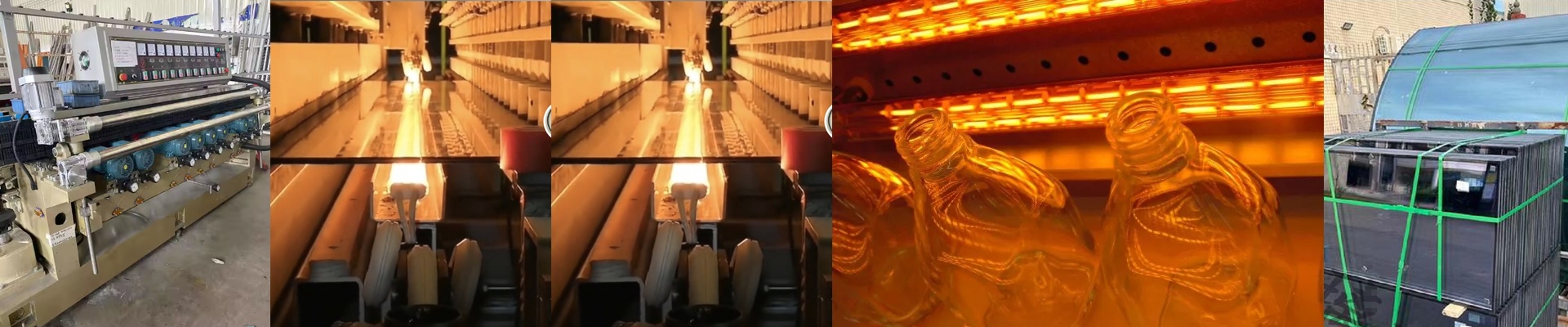
If you’ve ever tried to build a mobile glass repair bracket, you know the struggle. You need the heat to hit hard and fast to cure the resin or soften the glass, but you’ve got basically zero room to work with. You can’t just slap a giant, bulky heater on there, and you’re usually fighting a limited power supply. The trick is to stop thinking about “heaters” and start using miniaturized shortwave infrared (SWIR) elements. Dealing with a tiny footprint Here’s the thing: when you shrink your heating element to fit into a small bracket, you lose surface area. To make up for that, you have to crank up the wattage density. I usually go with high-wattage quartz halogen tubes. They let you pack a ton of energy into a tiny space, so you get that rapid preheat without needing a chassis the size of a suitcase. But there’s a catch. These things run hot—really hot. If you don’t use heat-resistant alloys for the frame or add some active cooling, your housing is going to warp. And nobody wants a bent bracket. Why shortwave IR actually works The magic of shortwave IR is that it doesn’t just sit on the surface. It actually sinks into the glass. If you use standard heat, you often get this annoying “skin effect” where the top layer is scorching but the core is still cold. By using quartz envelopes with specific dopants (targeting that 0.7 to 1.4 $\mu$m range), the heat goes right through the glass and the resin. It’s much more efficient. The nitty-gritty of wiring Then there’s the wiring. To keep the loom thin—especially if you’re routing cables through a folding arm or a sliding rail—I stick with R7s or small pinch-connectors. It keeps everything clean and out of the way. One heads-up: watch your power supply. Halogen filaments have a massive inrush current the second they ignite. If your power source isn’t ready for that spike, you’ll be tripping breakers all day. Plus, if you’re running off a battery, make sure you use a DC-AC inverter with a clean sine wave. If you don’t, your lamps are going to burn out way faster than they should.