Stopping the Chip: A Better Way to Cut Glass Tubes
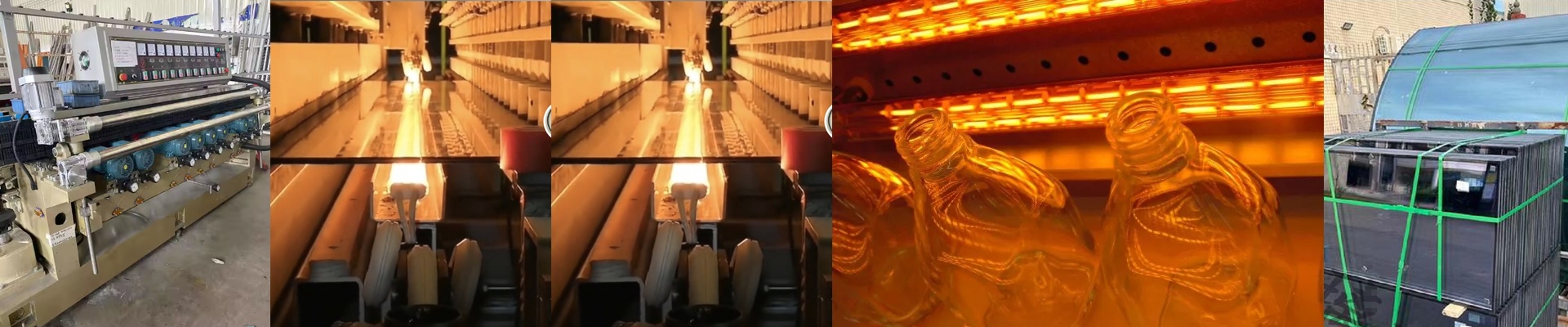
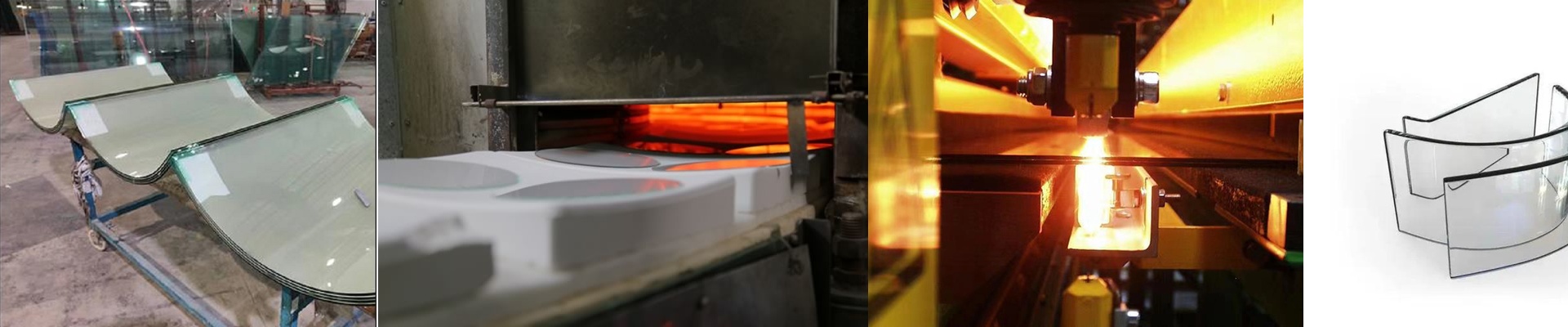
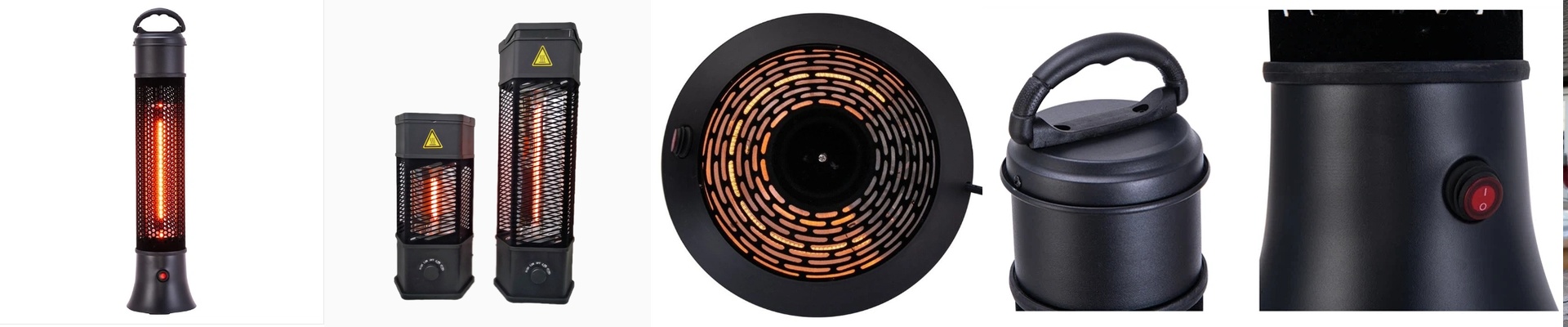
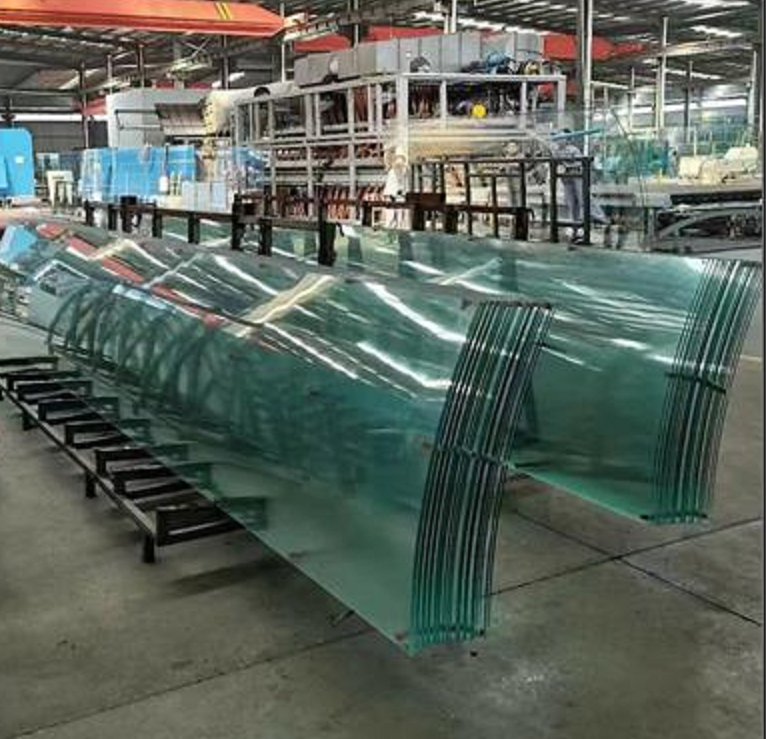
If you’ve ever spent a shift dealing with “chipping” or those annoying little breakouts on the edges of your glass tubes, you know how frustrating it is. It usually happens because cold glass is just too stubborn. When the blade hits, the material can’t handle the stress, and instead of a clean snap, you get jagged shards. The trick to fixing this is simple: stop cutting cold glass. We use infrared (IR) preheating to soften things up before the blade ever touches the surface. Why heat it up? Think of it this way: cold glass is brittle. But when you hit it with the right amount of heat, the material relaxes. It becomes a bit more flexible—more “ductile,” if you want to get technical. When the cutter finally makes its move, the crack just glides straight through the wall. No splintering. No mess. Just a clean, crisp edge. Picking the right lamps We usually go with shortwave IR lamps. Why? Because they punch through the glass surface way faster than longwave options. This means you can keep your line moving at full speed without waiting around for the glass to warm up. But you have to be careful with your setup. If the lamp is too close or the wattage is cranked up too high, you’ll end up with “hot spots.” That just creates a different kind of stress in the glass, which defeats the whole purpose. It’s all about finding that sweet spot with the distance to keep the heat even across the whole tube. The real-world trade-offs Now, IR preheating isn’t some magic wand. It takes some tweaking. Here’s the thing: timing is everything. If there’s too much space between the heater and the cutting head, the glass cools down, and those chips start coming back. You’ve got to sync your conveyor speed perfectly with the lamp output. And a heads-up on the hardware—high-wattage IR arrays put off a lot of heat. If your enclosure isn’t vented properly, you’re basically baking your control electronics. Trust me, you don’t want that. The best way to handle this is to wire your lamps into a PID controller. It keeps the temperature locked in a tight window so every single tube gets treated exactly the same.