Stop Wasting Energy on Your Glass Annealing
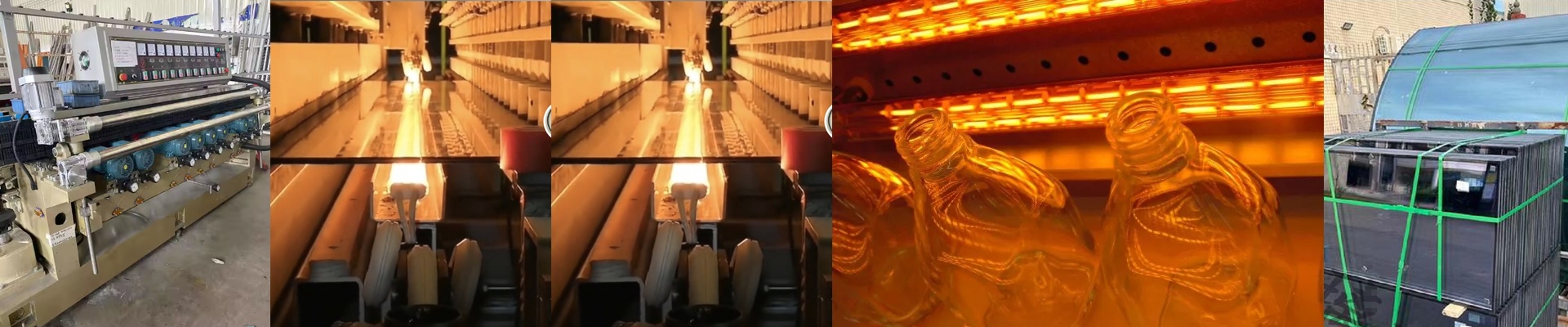
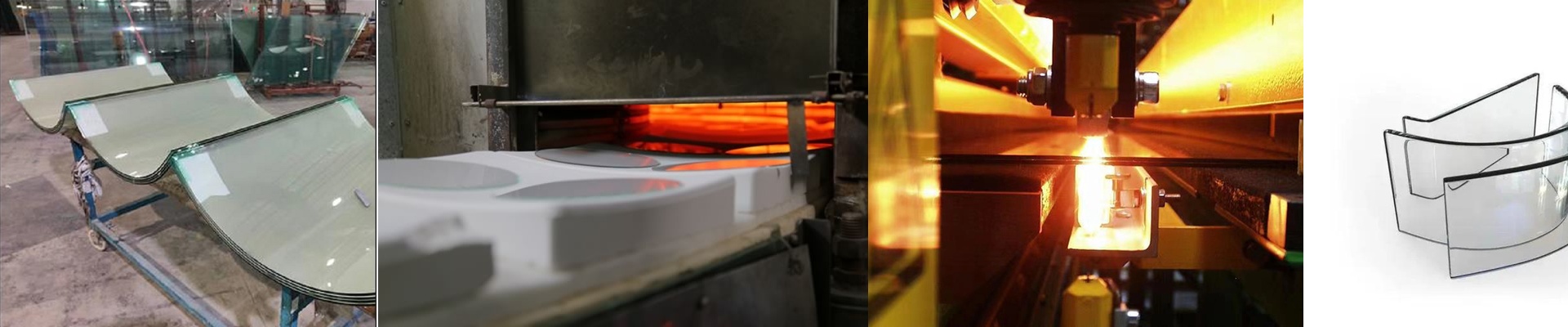
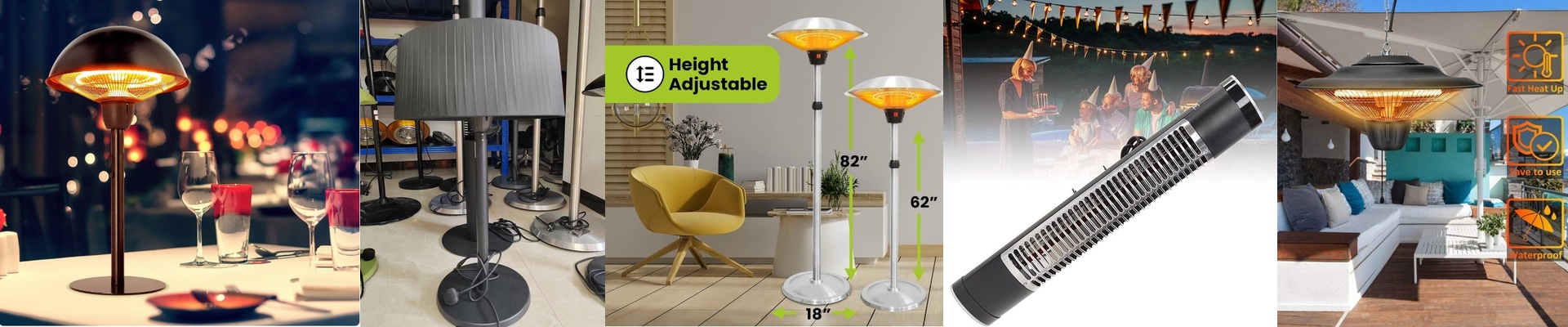
Let’s be honest: the annealing part of the production line is usually where the money just disappears. Most shops are still using old-school resistive heating, which is basically like trying to heat a house by warming up the driveway. You spend a fortune heating the air and the chamber walls, and only a fraction of that actually helps the glass. We do things differently. We swap those legacy systems for shortwave infrared (IR) lamps. Instead of heating the room, we put the heatdirectly into the glass.
How it actually works
Here is the thing about shortwave IR: it doesn’t mess around with convection. It doesn’t wait for the air to get hot. It just penetrates the surface of the glass fast. Because the heat is so focused, you get a much tighter thermal gradient. For you, that means two big wins. You can either shorten your annealing tunnel to save floor space, or just drop the overall chamber temperature. You get the same result—no internal stress in the glass—but with a much smaller electric bill.
The gear
We build these lamps for high-density output. Depending on how fast your line is moving, we can tweak the wattage and voltage to fit whatever power grid you’ve already got in place. We use high-voltage tubes because they pack more punch into a smaller footprint. Fewer lamps to wire up, less clutter. To make sure the filaments don’t burn out on you, we use quartz envelopes filled with halogen gas. If your shop is a bit messy or prone to contamination, we can coat the tubes to protect them or shift the wavelength. And don’t worry about tearing your whole rack apart. We use R7s or Sk15 bases. They’re industry standards, so these lamps usually just slide right into your existing fixtures.
The catch (and how to handle it)
Now, there is a trade-off. Shortwave IR is fast. Really fast. But that intensity means you have to be smart about your cooling zones. If your downstream cooling isn’t ready for that kind of heat density, you’re going to run into thermal shock. It’s all about the balance. You just need to sync your lamp power with your conveyor speed so you don’t overshoot the annealing point. Get that dialed in, and everything flows.