
Getting the Heat Right in Glass Inspection
When you’re inspecting glass containers, just throwing heat at the problem isn’t enough. To actually catch defects in new materials, you need a thermal profile that hits exactly where it needs to. That’s why we obsess over power density distribution. It’s not about the total wattage on the label—it’s about where that energy actually lands. If you want your R&D results to be repeatable, you can’t leave the heat pattern to chance.
Why the “Where” Matters More Than the “How Much”
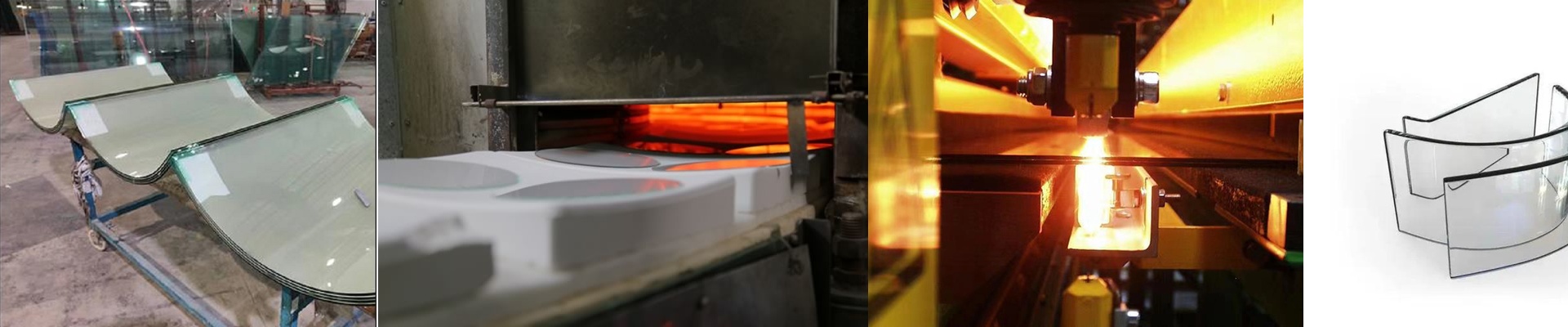
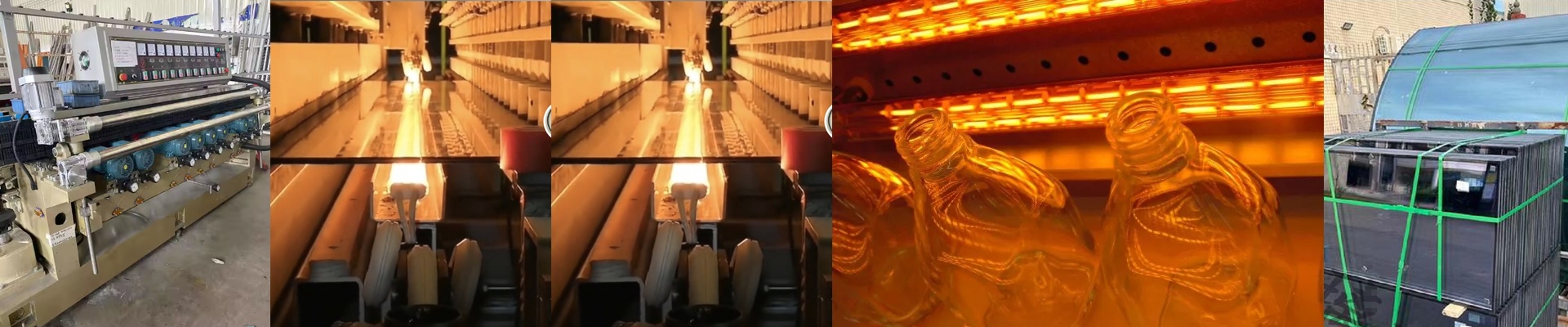
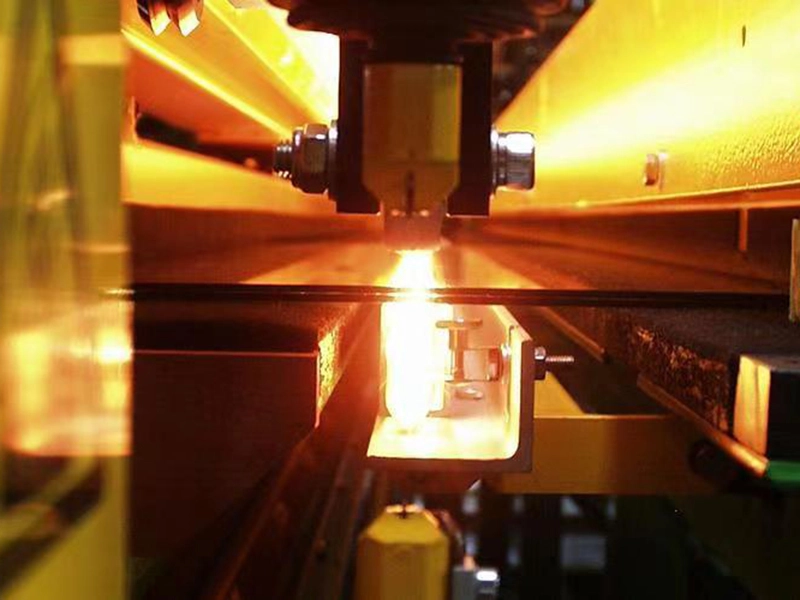
Most standard heaters just pump out a uniform wall of heat. The problem? You end up with scorching hot spots in the center and cold edges. Not ideal. We fix this by tweaking the filament winding and spacing. We basically move the energy around to fit your needs. Maybe you need to simulate a specific stress point, or you need to get the glass to a precise temperature without cracking it from thermal shock. You tell us the parameters. If you need a tight, concentrated heat zone for a narrow neck or a wide, gentle field for the body, we build the lamp to match that exact footprint.
Room to Breathe in R&D
R&D is messy. You need the freedom to change your mind. We don’t do “one size fits all.” We build custom voltage and wattage setups so the lamps actually work with the power supplies you already have. If you’re testing a new glass chemistry, the last thing you need is to be held back by off-the-shelf hardware that doesn’t quite fit. We even adjust the quartz thickness and the filament alloy so the lamps can handle rapid cycling without giving up on you. One quick heads-up: when you push high power density into a small area, your cooling system is going to feel it. If you go for a high-density lamp, just make sure your airflow or water-cooling can keep up. Otherwise, you’re looking at a premature burnout.
Putting it to the Test
This is where things get interesting. With this kind of control, you can really push new glass materials to their breaking point. You can find the exact moment a piece fails or nail down the perfect annealing temperature for a new batch. No more guessing. You just get a tool that fits your machine’s geometry and does exactly what you need it to do.