Stop Your Lab Glass From Cracking
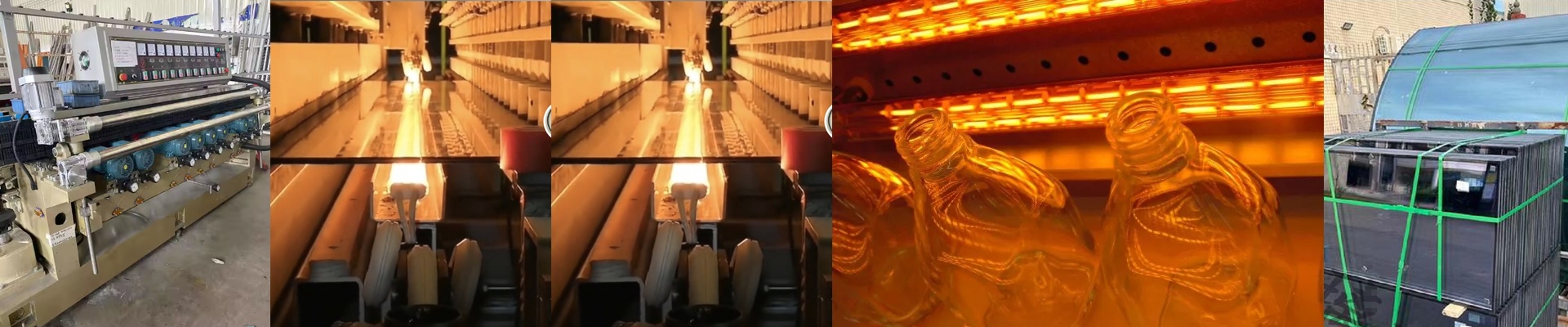
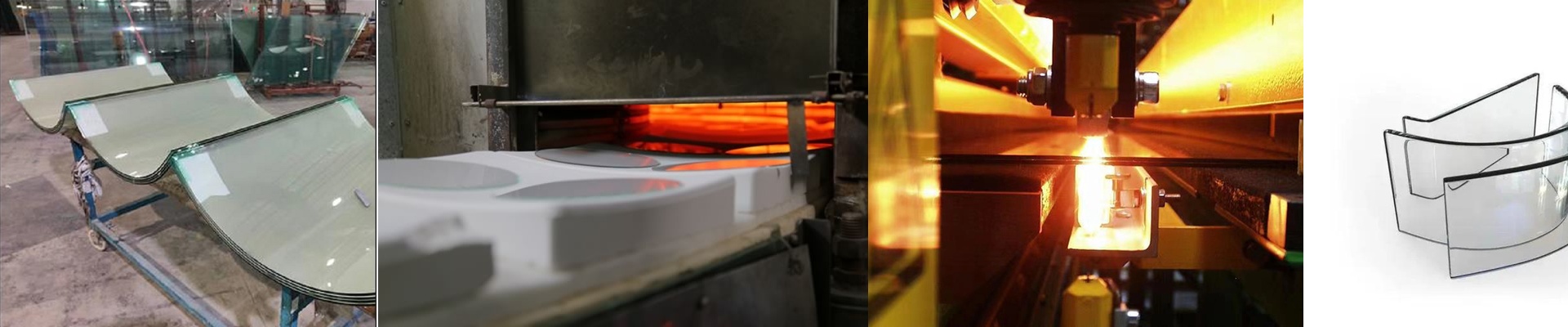
Ever had a piece of lab glassware just… snap? It’s frustrating. Usually, it happens because the glass didn’t cool down evenly. If one part of the vessel drops in temperature way faster than the rest, you get internal stress. And that’s when things break. To stop this, we use infrared (IR) heating. It keeps the glass at a steady “soak” temperature, letting the material relax and settle without any hidden tension.
Why 0.1°C Actually Matters
Most heaters are a bit sloppy. They overshoot the target, then dip. In a normal oven, a 1.0°C swing isn’t a big deal. But with lab-grade glass? That little jump can ruin a vacuum seal or make the whole thing shatter the moment it hits thermal shock. That’s why we aim for 0.1°C stability. It sounds like overkill, but it’s the only way to make sure the “skin” of the glass doesn’t cool faster than the core. You need a tight loop between the IR emitter and the PID controller. If that connection is laggy, the glass hits the strain point too fast, and you’re back to square one.
Getting the Heat Inside
Not all IR is the same. Depending on how thick your glass is, you have to pick the right wavelength. Short-wave IR digs deep into the material. Medium-wave is better if you just need to warm the surface. We tune the emitter material so the heat actually penetrates the glass rather than just sitting on the outside. And you can’t have cold spots. If one side of the furnace is cooler than the other, the glass contracts unevenly. We space the elements carefully to kill those gaps.
The Real-World Headaches
Here is the catch: these high-precision systems are picky. They hate “dirty” electricity. If there’s noise on your power line, the controller starts to jitter, and there goes your 0.1°C precision. You’ll want isolated power supplies to keep everything steady. Also, watch your alignment. These elements are sensitive. If your racking shifts by just a few millimeters, your thermal profile changes. It’s a game of inches.