Stop Gambling With Your Glass Annealing
Buying a cheap annealing lamp just because the part number matches is a bit of a gamble. Most people just check the voltage and the length, then hit “buy.” But if you’re actually running a production line, that’s a risky way to do it. We don’t look at the part number first—we look at the thermal gradient.
It’s All About the Heat Profile
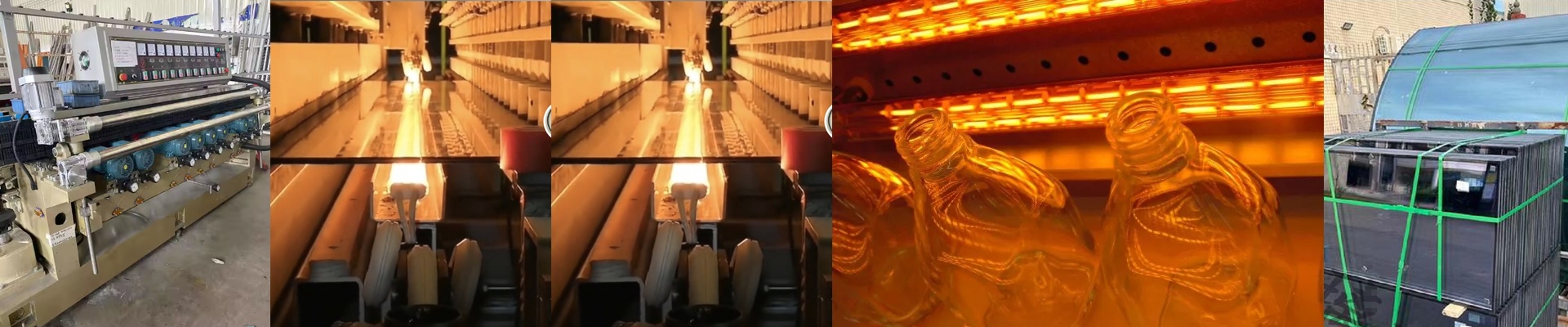
Annealing isn’t just about hitting a peak temperature. It’s about the journey—how you get the glass hot and, more importantly, how you let it cool down. Sure, a quartz halogen tube puts out a ton of heat. But if the wattage is too high for the thickness of your glass, you’re just baking in internal stress. That’s why we spend time figuring out your specific glass geometry before picking a wattage. Then there’s the power. Switching between a 230V or 400V setup changes your current draw and how you’ll need to wire things. High-voltage tubes are great for longer runs because you don’t lose as much power along the way. But they’re tougher on your sockets. If your sockets are old and worn, dropping in a high-wattage replacement is a recipe for disaster—you’ll likely burn out the terminals in a few weeks.
The Trade-offs You Need to Know
Shortwave infrared lamps penetrate deep into the glass. That’s a lifesaver for thick slabs, but it can scorched the surface of thin sheets. To fix that, we often suggest coated quartz to soften the heat. And let’s talk about the connectors—the R7s or the custom SK15s. These are usually where things go wrong. A loose fit leads to an arc. An arc creates a hot spot. And a hot spot melts your holder. We don’t just throw a lamp in a box and ship it. We want to know if your current holders can actually handle the constant heating and cooling without falling apart.
Why We Come See You In Person
At the end of the day, a lamp is basically just a resistor that glows. The real magic happens with the reflector angle and how far the lamp sits from the glass. If your reflectors are oxidized and dull, the most expensive lamp in the world won’t fix those cold spots. That’s why we do field diagnostics. The environment around the machine is what actually determines how long your lamp lasts. We’ll check your cooling airflow and your power stability before we even talk about parts. It saves you from wasting money on replacements when the real culprit is just a bad thermal layout.