Stop Guessing Your Glass Bead Quality: The Truth About IR Lamp Consistency
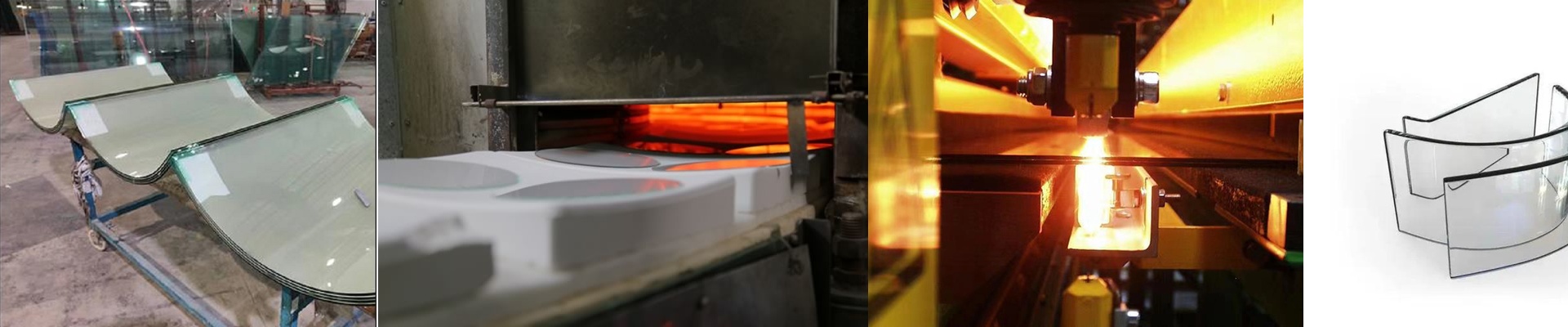
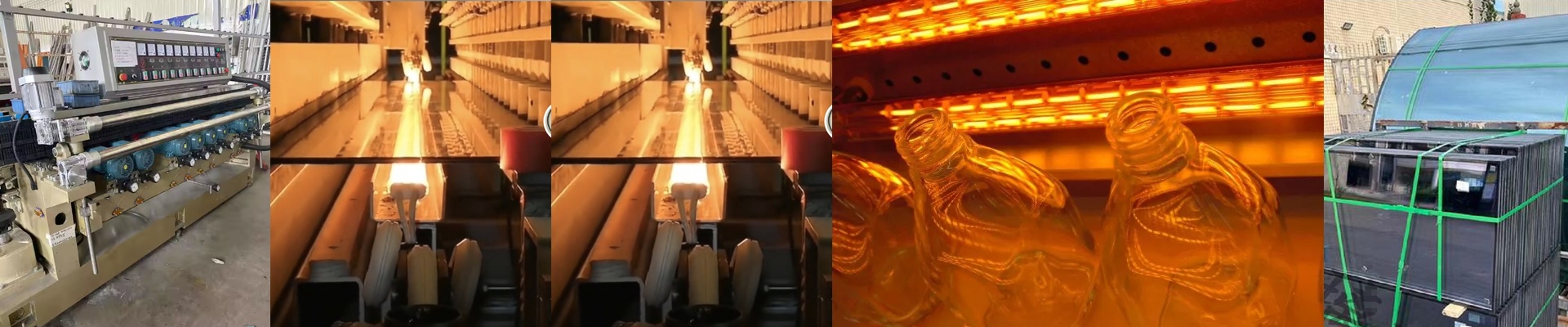
If you’ve ever dealt with batch-to-batch instability in glass bead annealing, you know the headache. You run a line, everything looks fine, and then suddenly a chunk of the batch fails quality checks. Usually, it comes down to thermal drift. Now, a 5% difference in wattage between your lamps might sound like a rounding error on a spec sheet. But on the shop floor? That’s a cold spot. And a cold spot means internal stress in the glass. That’s how you get beads that crack the moment they hit the next shift. Why the “small stuff” actually matters Glass annealing is all about that precise soak temperature. If your lamps aren’t perfectly matched, the heat flux is uneven. It’s like trying to bake a cake with a hot spot in the oven—some parts are done, others are raw. That’s why we obsess over the details. We use high-grade quartz envelopes and precision-wound filaments so every single lamp in your array is pushing out the exact same amount of energy. Here’s the thing: when you wire up a bank of heaters, the resistance has to be identical. If one lamp pulls more current than its neighbor, it’ll burn out faster. Then you’ve got a thermal gap. By matching the spectral output, the beads absorb heat evenly, no matter where they are on the conveyor. The trade-off with high heat If you’re running high-volume production, you probably use high-wattage shortwave lamps because they ramp up fast. It’s efficient. But there’s a catch. Pushing that much heat into a small space puts a massive load on your reflectors and housing. You can’t just swap in higher-wattage tubes and call it a day. You’ve got to check your cooling fans. If your cabinet can’t handle the ambient heat, your connectors will oxidize and just… fail. What this looks like in the real world When you ditch the mismatched generic lamps for a consistency-matched set, the vibe in the shop changes. You stop spending your morning tweaking PID controllers between batches. You just set the temperature, the lamps hold the line, and the beads come out with uniform stress relief every time. It stops being a guessing game. It just works.