Stop the Cracks: Why Your Glass is Breaking and How Fast IR Actually Helps
Ever had a piece of glass look perfect on the line, only to have it shatter later during machining or—even worse—inside a customer’s shipping crate? It’s a nightmare. Usually, it comes down to internal stress. When the outside of the glass cools down way faster than the core, you get these hidden tensions trapped inside. If that cooling curve isn’t spot on, the glass becomes a ticking time bomb.
The problem with “hot air”
Most old-school ovens rely on convection. But here’s the thing: air is actually pretty terrible at moving heat. This creates a frustrating lag. Your oven display might say it’s at the right temperature, but the glass itself isn’t feeling it. When you’re running a continuous line, this lag leads to “cold spots.” The glass never quite hits that sweet spot for annealing, and that’s where the structural failures start.
Why we switched to Shortwave IR
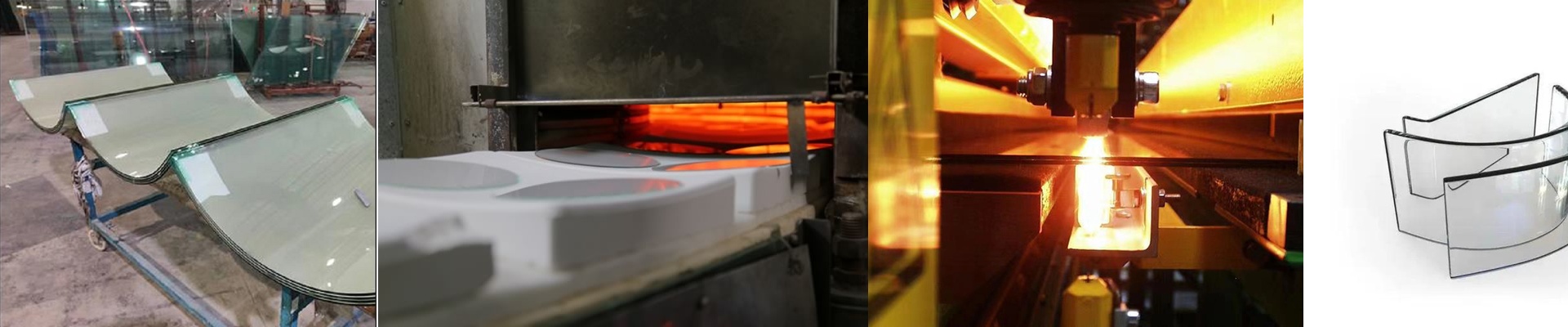
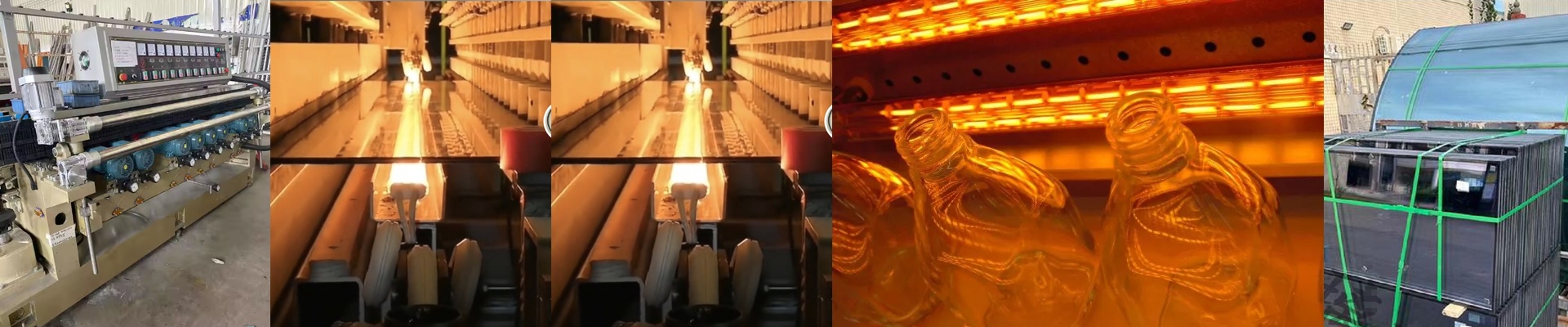
We use shortwave infrared lamps because they don’t mess around. They react instantly. You aren’t waiting around to heat up a massive cavern of air. Instead, the IR radiation goes straight through the surface and hits the molecular structure of the glass directly. It’s efficient. It’s fast. And because it responds so quickly, you can tweak your heat zones on the fly. If you decide to speed up the line, you just crank up the wattage. You get the soak time you need without that jarring thermal shock that happens when glass jumps between different temperature zones.
The trade-offs (The honest part)
Now, it’s not all magic. High-wattage IR lamps pack a lot of heat density, which is great for keeping the glass above the strain point, but it puts a real strain on your power supply. You’ve got to make sure your wiring and controllers can handle the heavy current draw. If you don’t, you’ll deal with voltage drops. Plus, you can’t skimp on the cooling fans. If you can’t pull the waste heat away from the lamp housings, you’re going to fry your connectors. The big win? Your floor space. Since IR is so much more direct, you can get the same results in a much shorter tunnel than those bulky convection ovens. You get your space back, and your glass stays in one piece.