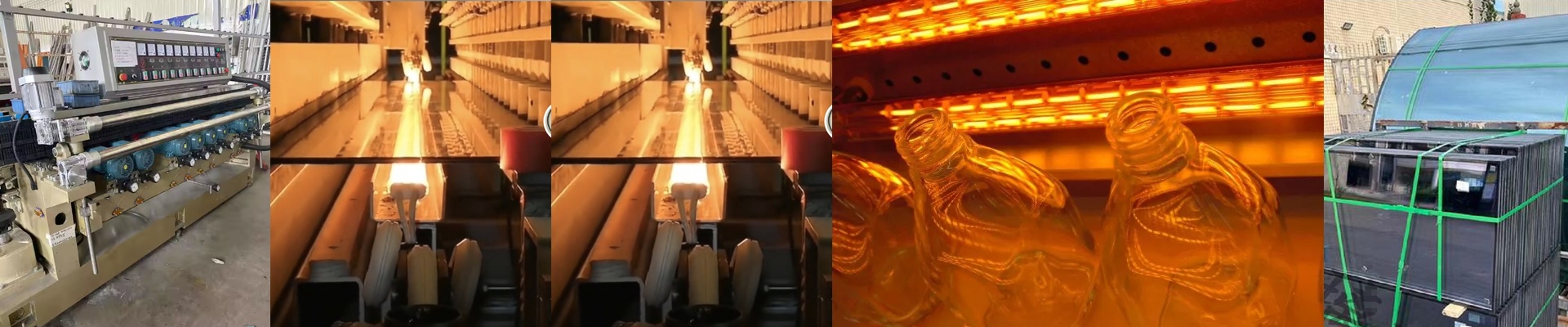
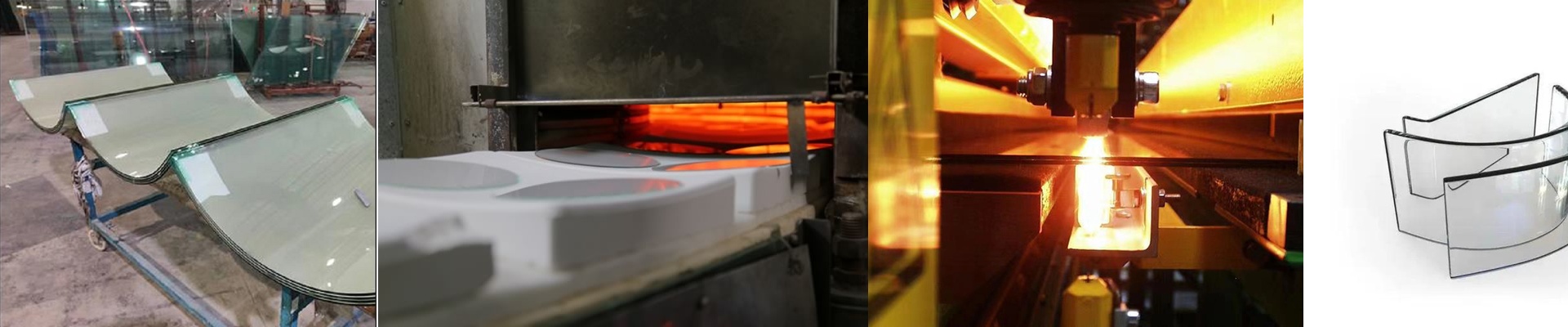
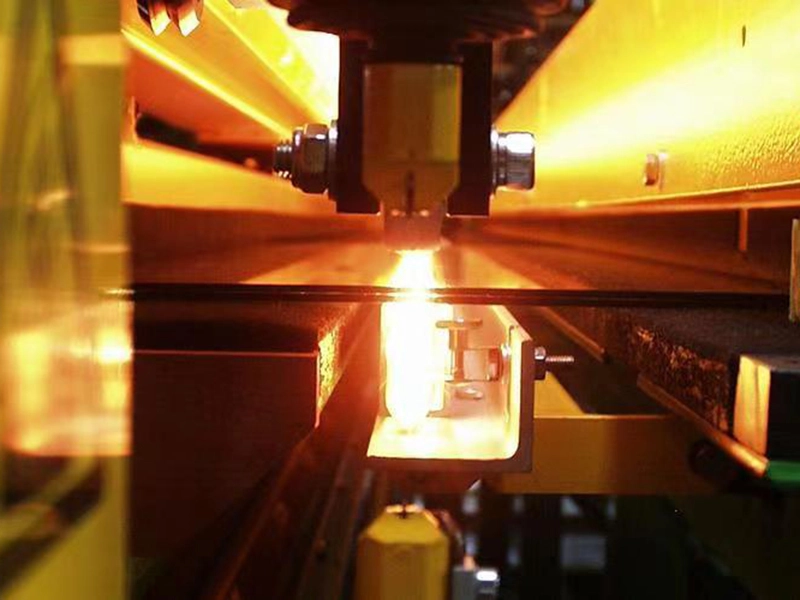
Cutting through ultra-thick glass is a nightmare for your equipment. If you’ve ever tried to score a cold, heavy slab, you know the feeling—the glass fights back. It puts a massive amount of pressure on the cutting wheel, which leads to chipped blades and those annoying, irregular fractures that ruin a piece of work. We found a way around this. Instead of just forcing the blade through, we put high-penetration shortwave IR quartz heaters right in the cutting path. Here’s the thing about heat: standard heaters just warm up the surface. That doesn’t do much for a thick slab. But shortwave IR is different. It actually sinks deep into the glass rather than just bouncing off the top. By hitting the specific line where you’re cutting, we can dial down the hardness and ease the internal tension of the material. The glass doesn’t melt—it just relaxes. Suddenly, the cutting wheel glides through. It feels smooth. No more fighting the material. On the hardware side, we use tungsten filaments inside high-purity quartz tubes. To get that deep penetration, we cram a lot of wattage into a very small space. It creates a tight, concentrated heat zone exactly where you need it. But you have to be careful with your timing. If the lamp stays on too long, you end up with a heat zone that’s too wide. That’s when the glass starts cracking in ways you didn’t plan for. You’ve got to make sure the heater’s dwell time is perfectly synced with how fast the cutting head is moving. The best part? Your tools actually last. Because the glass is pre-softened, the cutting wheel isn’t taking a beating every single pass. We’ve seen a huge drop in how fast blades wear out. You spend way less time stopping the line to swap out consumables and more time actually getting work done. Just a heads-up: make sure your power supply can handle the initial current draw of those quartz elements. You don’t want to be tripping breakers every time you flip the switch.