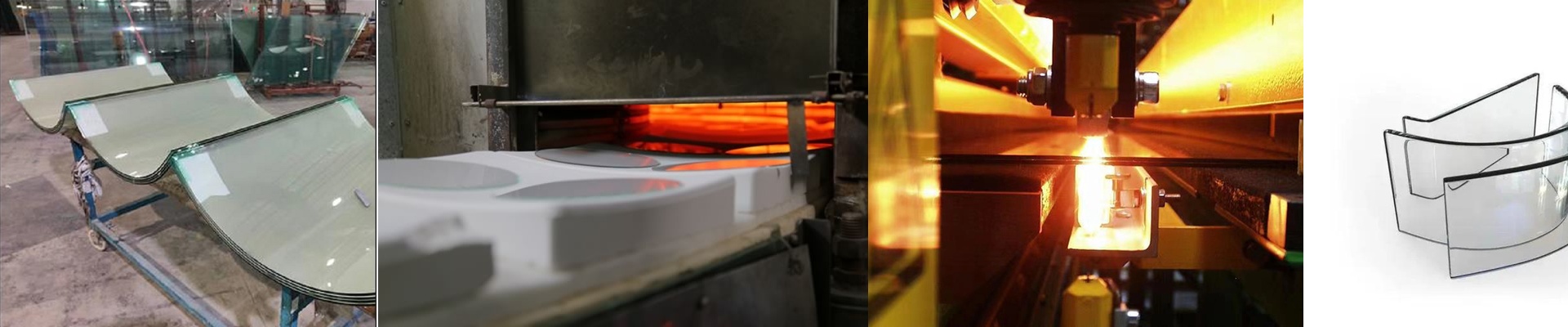
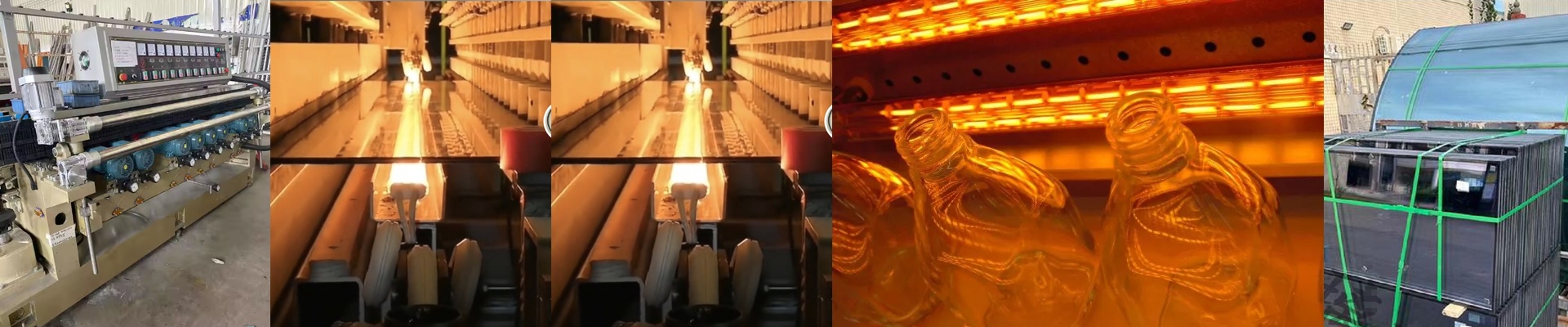
Getting the Heat Right for Silk-Screened Glass
If you’ve ever tried to run silk-screened glass through a tempering and annealing line, you know the headache. It’s a constant tug-of-war. On one side, you need enough heat to get rid of internal stress and make sure the ink actually sticks. But if you push it too far? Your crisp, clean lines start to bleed. Suddenly, your sharp patterns look like blobs. The trick is using shortwave infrared lamps to keep that heat exactly where it needs to be.
Keeping Your Patterns Sharp
Here’s the thing: you want to hit the surface temperature fast, but you can’t let the glass soak in that heat for too long. Shortwave IR is great because it punches through the surface quickly. It lets us target the ink layer specifically. If the heat lingers, the ink gets too thin—basically turning into a liquid—and that’s when your design ruins. We spend a lot of time tweaking the lamp wattage and the conveyor speed. It’s all about finding that sweet spot where the ink cures and the glass relaxes, but the pattern stays perfectly sharp.
Strength Without the Stress
It’s not just about the look, though. It’s about whether the glass survives. If the heating cycle is off, you end up with residual stress. That’s the hidden stuff that makes a sheet suddenly crack while you’re cutting it or when it hits a temperature change. To stop that, we use high-density IR arrays. They spread the heat evenly across the whole sheet. No more “cold spots.” No more structural weak points.
The Balancing Act
It’s tempting to just crank up the wattage to move the line faster. High-wattage lamps get you up to speed quickly, and in a high-volume shop, speed is everything. But there’s a catch. All that heat puts a massive strain on your housing and cooling fans. Plus, if you blast a thin sheet of glass with too much intensity, it can warp before the stress even has a chance to leave the material. You have to balance the lamp output with the actual thickness of the glass. And you’ve got to make sure your cooling system can handle the load, otherwise, you’re just burning through your lamps way faster than you should.