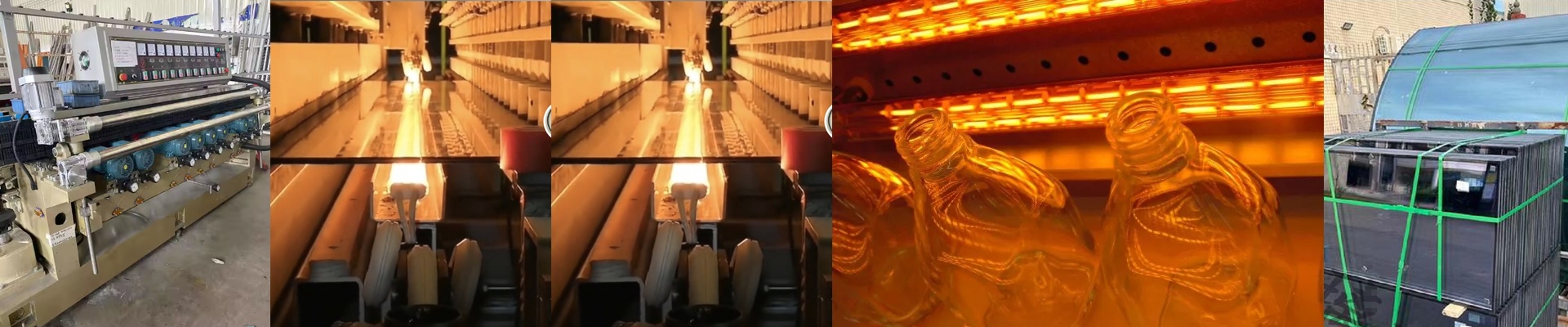
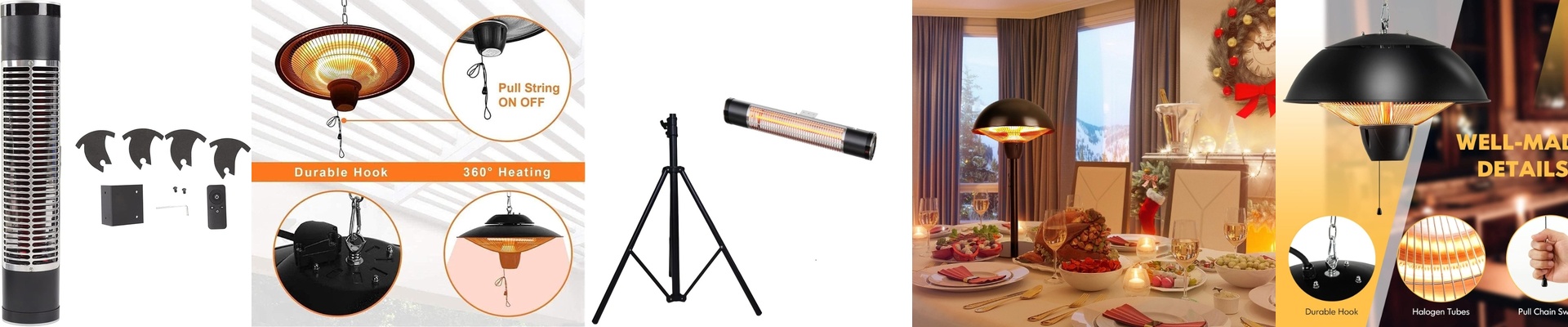
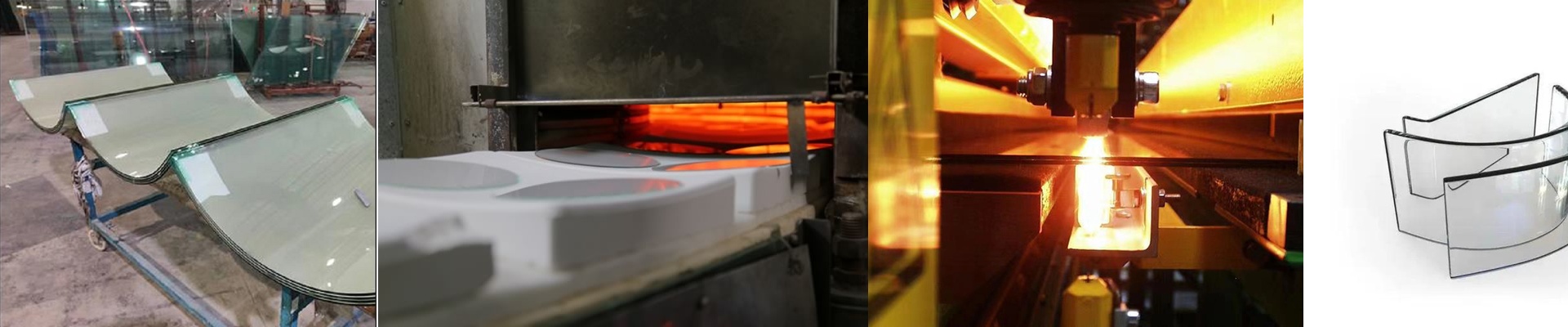
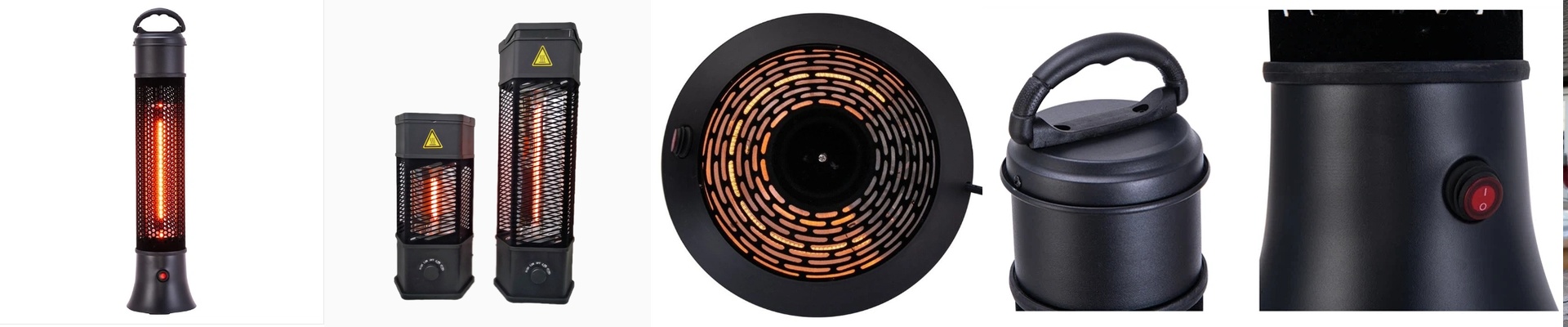

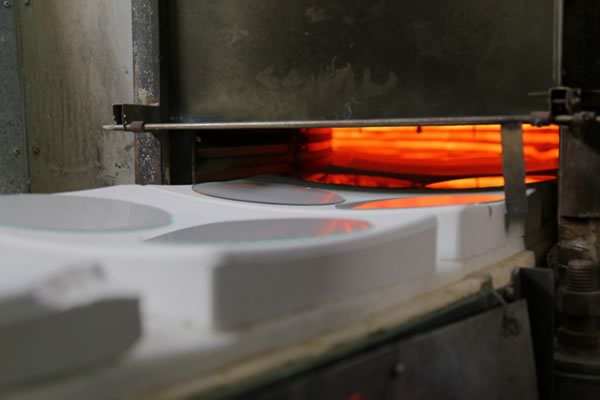
Out on the glass line, heat is never just heat. It’s cycle time, flatness, and scrap—plain and simple. When the heating lamp starts to drift, you know it instantly: the sheet shows temperature bands, the edges ripple after bending, or the coating dries unevenly. Defects like that snowball fast, and so do the costs. What matters under the hood Our wholesale glass heating lamps lean on short-wave infrared (NIR) quartz emitters, built for the grind of industrial glass work. The quartz envelope pushes high-intensity radiation through with minimal convection interference, so the energy lands where you need it—right on the glass surface. That gives you a uniform thermal field, which cuts down localized hot spots and the thermal stress that can crack glass during tempering and bending. The response is quick, too: full output in seconds, so the conveyor never has to wait. In practice, that means shorter soak times and temperature control you can count on shift after shift. Why this plays well in glass fabrication Timing is everything. Fast, repeatable heating trims the heating segment of the cycle, so you can run more parts per hour without giving up quality. Uniform heat keeps optical distortion and warpage in check, which lifts first-pass yield on tempered and bent glass. Energy use drops because the lamp delivers targeted radiation instead of heating the whole chamber. For lamination, coating drying, and insulating glass sealing, consistent surface temperature means stronger adhesion and fewer reworks. A few shop-floor notes Installation is straightforward, but alignment is non-negotiable. The lamp has to be positioned to match the target zone on your line, and keep the reflectors clean so the irradiance profile stays right. These lamps are designed as drop-in replacements for many standard industrial heating positions, but double-check voltage, mounting, and clearance against your existing fixture before ordering. Expect high intensity—always use proper guarding and stick to lockout procedures.