Getting Borosilicate Glass Heating Right
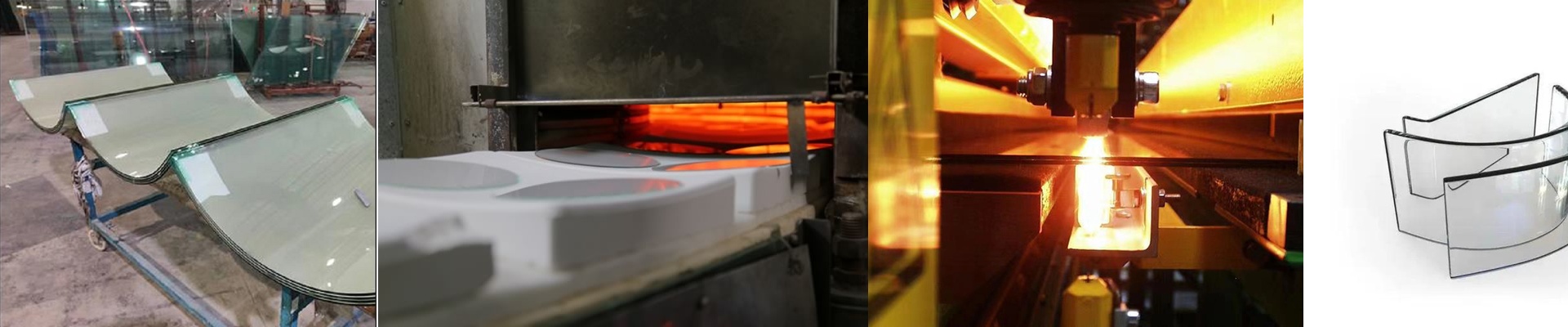
Let’s be honest: heating borosilicate glass is a bit of a balancing act. You can’t just flip a switch and hope for the best. Because of how this glass reacts to temperature, if you don’t ramp up the heat just right, you’re looking at internal stress or, worse, a shattered piece of work. That’s why we don’t just toss a few lamps in a box and ship them off. We actually look at the shape of your glass and map out a thermal profile that fits.
The Trick to High-Density Heat
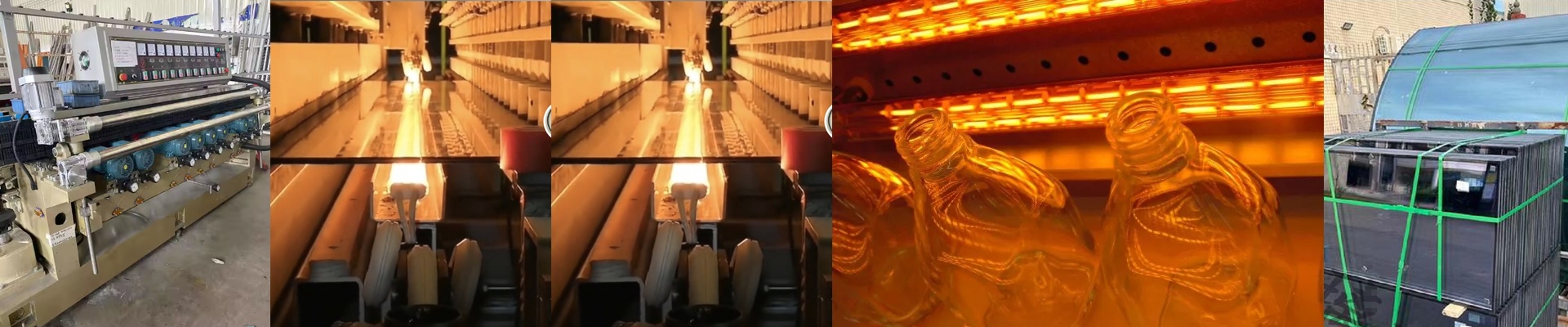
The goal is to get the glass workable without scorching the surface. To do that, we use shortwave infrared (SWIR) emitters. These lamps punch through the glass much better than the longwave stuff. When we’re tweaking the wattage and voltage—say, pushing a bit more power to keep the heat steady across a 500mm tube—we’re really just managing how much energy hits every square centimeter. Just a heads-up: high-wattage tubes bring the heat fast, but they’re thirsty. Make sure your transformers can handle that initial surge of power, or you’ll be replacing burnt-out hardware sooner than you’d like.
The Nitty-Gritty on Hardware
We use high-purity quartz envelopes because they can take the beating of extreme annealing temperatures. As for the connectors, we offer R7s or Sk15. It’s not about preference; it’s about the fit. If you’re doing a drop-in replacement, it has to slide into your existing sockets perfectly. If it doesn’t, you risk arcing, and nobody wants that. Sometimes, we use coated emitters to shift the wavelength. It stops the heat from bouncing off the glass surface. You lose a tiny bit of raw power, but the heat actually goes where it’s supposed to.
Real-World Fixes vs. Spec Sheets
A datasheet is great for numbers, but it won’t tell you why you have a cold spot in the middle of your oven. We’re big believers in getting our hands dirty with field diagnostics. Your actual heat distribution depends on things a PDF can’t see—like the angle of your reflectors or how the air is moving. If your reflectors are oxidized and crusty, a brand new lamp isn’t going to save your yield rates. We’d rather find the actual bottleneck in your cycle and move the lamps around until those dead zones are gone.