Why Your IR Lamps are Probably Ruining Your Glass
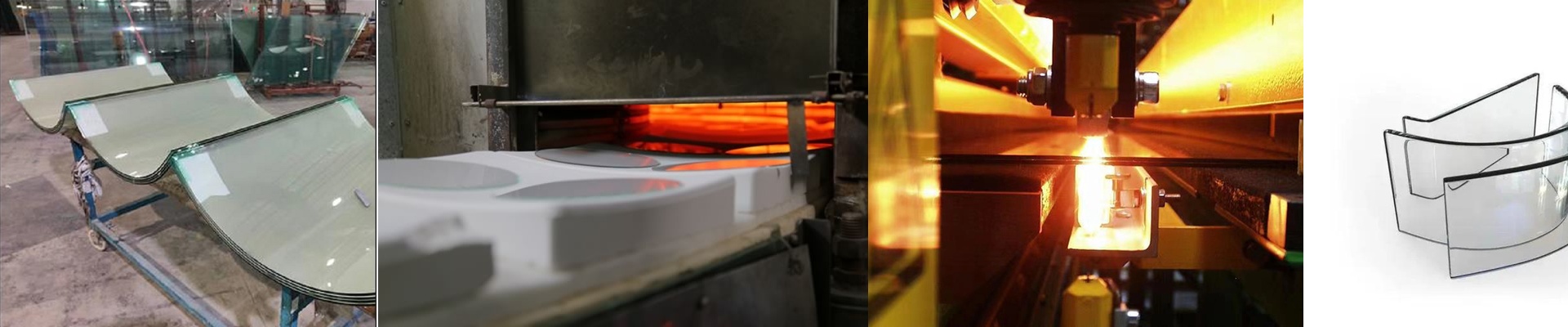
Ever wonder why one batch of glass comes out perfect and the next is a total disaster? Most of the time, it comes down to one annoying thing: thermal variance. If your preheating lamps aren’t putting out the exact same amount of heat across the whole array, you’re fighting a losing battle. You end up with these random “hot spots” and “cold spots” on the glass. When that sheet hits the quench phase, the stress isn’t balanced. And that’s exactly when things start snapping. Here is the real problem. You need a precise temperature profile to hit that softening point without frying the edges. But if you’ve got a lamp that’s supposed to be 2000W but is actually putting out 1850W because it was made cheaply, that section of glass stays too cold. You might be tempted to just crank up the power to the whole bank to compensate. Don’t do that. You’ll just burn out your strong lamps while the weak ones keep leaving those cold spots. It’s a vicious cycle. The hardware side of things To avoid this, you need lamps with precision-wound filaments and quartz envelopes that actually hold their stability. It sounds technical, but it basically means the heat stays where it belongs. But watch your power density. Pushing more wattage into a smaller space might speed up your cycle, but it puts a massive load on your cooling blowers. If your cooling system can’t handle the heat coming off a full bank of high-output lamps, your sockets will degrade and your wires will get brittle. It’s a recipe for a breakdown. The payoff When you stop mixing and matching lamps and switch to a high-consistency set, life gets a lot easier. You can stop obsessively tweaking the conveyor speed or messing with temperature set-points every time you start a new batch. You just get a predictable, steady heat soak. The glass reacts the way it’s supposed to during the quench. Less breakage. Less scrap. Way less stress.