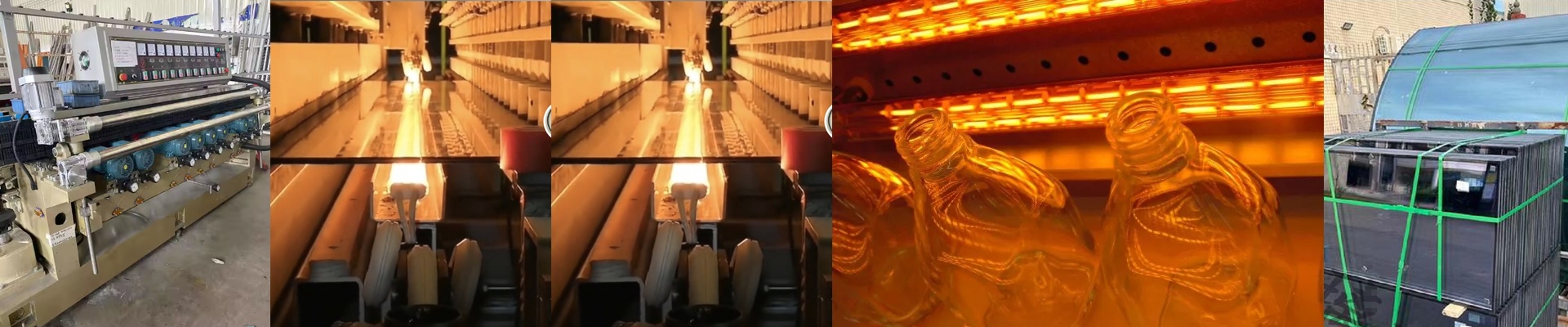
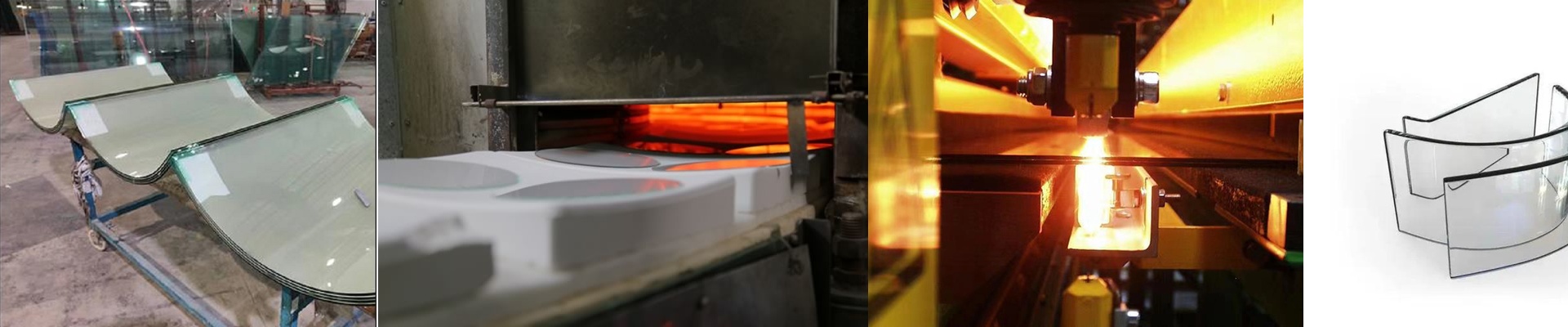
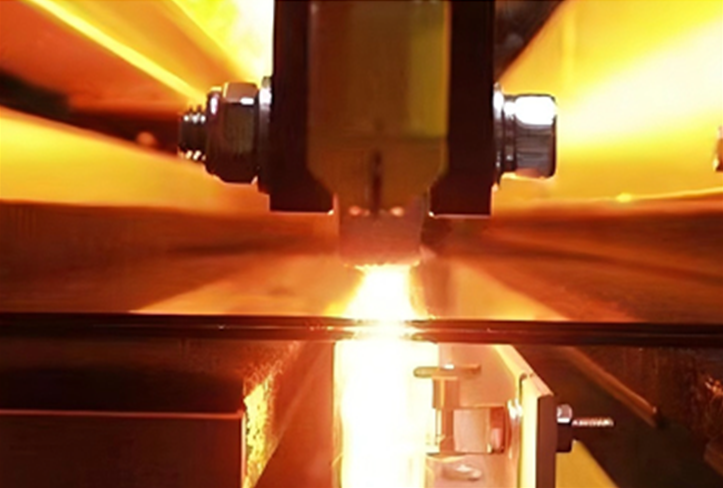
On the line, annealing is where the margin is made or lost. Glass that leaves the lehr under-heated drags thermal stress into cutting and bending, and over-heating is just money burning through the meter. We designed this annealing lehr lamp to live under that pressure—high power, fast response, and control you can trust. What makes it tick It runs on short-wave quartz emitters, throwing energy right at the glass surface instead of heating the air. Response is near-instant, so the zone snaps back to setpoint after each batch and after door cycles. We keep watt density tight to hold a uniform thermal field across the lehr width, which cuts down edge-to-center swings that drive stress. The payoff is repeatable annealing profiles with less overshoot. Why it fits real production In high-throughput glass—tempering lines, bending lines, and insulating glass sealing—waiting for temperature is pure waste. Fast recovery lets you hold line speed instead of chasing the curve. Energy use drops because the lehr spends less time in a high-power catch-up state and more time in steady-state. Field data from 5,000+ operating hours shows stable output with less than 5% drop, and operators see fewer stress-related rejects after the annealing zone. What you need to plan for This isn’t a plug-and-play heater. It’s a line-integrated component that has to match your lehr voltage, zone power, and control interface, plus clearance for emitter access and airflow. Schedule a short shutdown to confirm mounting, alignment, and thermal insulation around the openings. Once it’s in, the payback is simple: lower peak demand, lower kWh, and fewer scrap sheets.