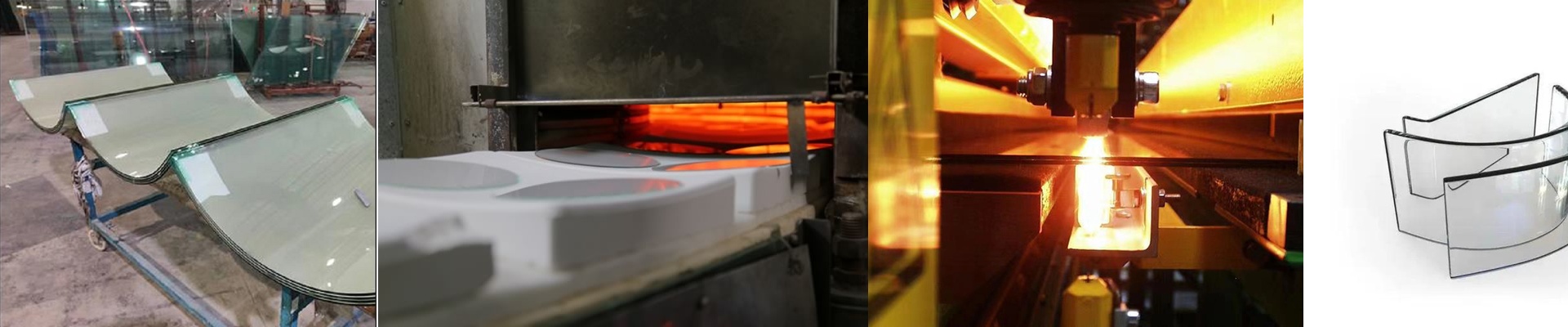
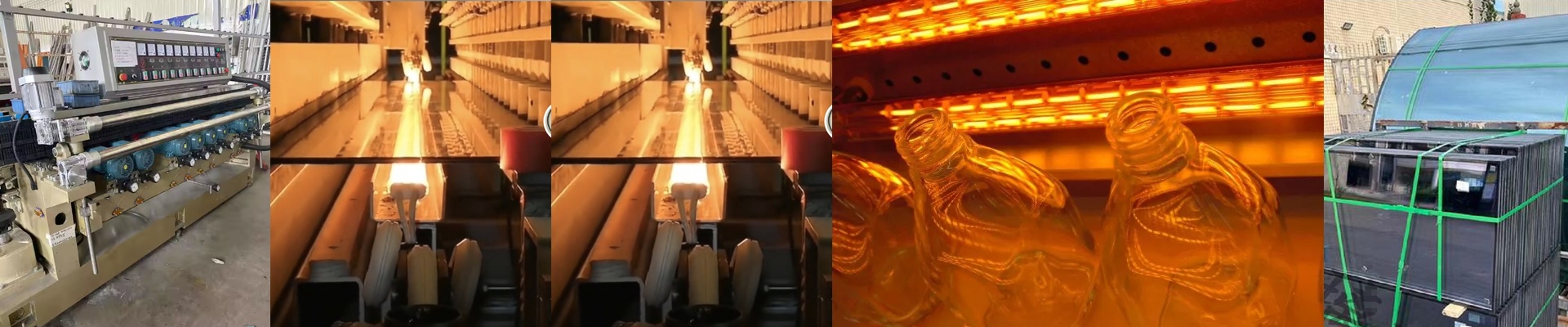

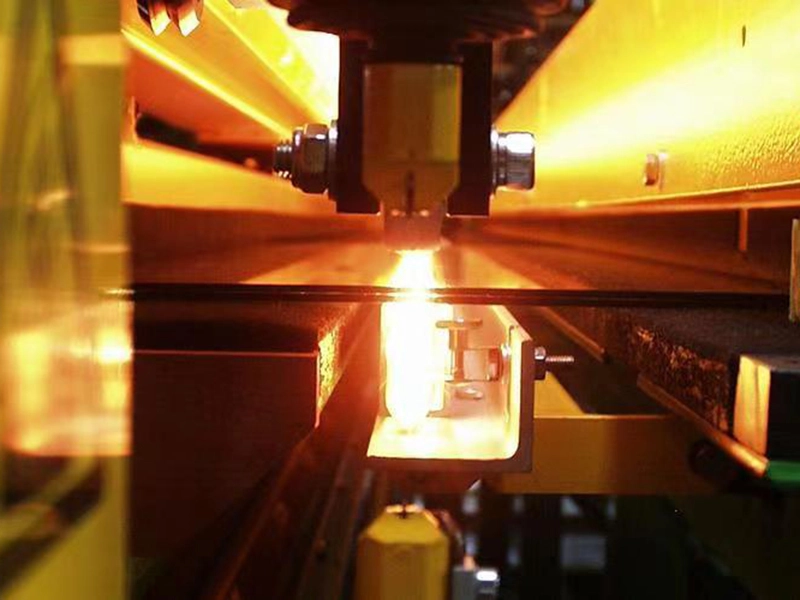
Cutting through ultra-thick glass is a nightmare for your equipment. If you’ve ever tried to score a cold, heavy slab, you know the feeling—it’s like trying to carve through stone. That massive resistance just eats your cutting wheels alive, causing them to chip or burn out way faster than they should. We found a better way. Instead of fighting the glass, we use high-penetration infrared (IR) lamps to warm up the cutting path first. Here’s how it actually works. Most heat just sits on the surface, but shortwave IR radiation sinks deep into the glass. By focusing that heat right where the cut needs to happen, the glass relaxes. It loses that stubborn hardness and becomes a bit more “yielding.” When the wheel finally hits the glass, it doesn’t fight it. It just glides. And that’s a huge win for your tools. Less friction means your diamond or tungsten carbide wheels actually last. You aren’t forcing a cold, violent break anymore; you’re managing a controlled separation. It stops those tiny micro-chips from forming, which is usually what kills a wheel after just a few hundred meters. But you can’t just blast it with heat. If you go too far, the glass will freak out. You’ll get thermal shock, and suddenly you’ve got cracks running everywhere or, worse, the whole thing shatters. It’s a balancing act between how hot the lamp is and how fast the cutting head is moving. The smartest move is to use a closed-loop temperature sensor. It keeps the glass in that “sweet spot” where it’s soft enough to cut but not so hot that it stresses out. Also, don’t forget your cooling system. Those lamps get hot—really hot—and if you don’t vent that heat, you’re going to end up with melted wiring.