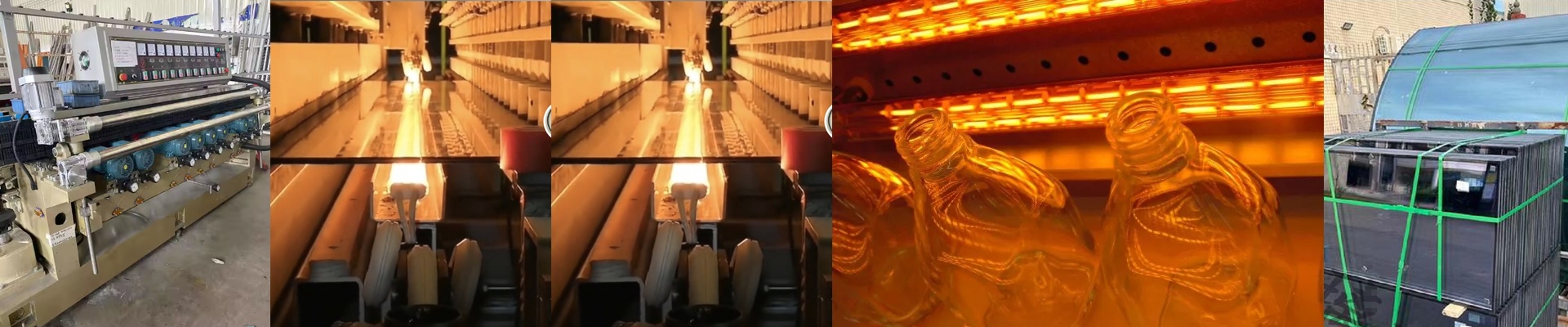
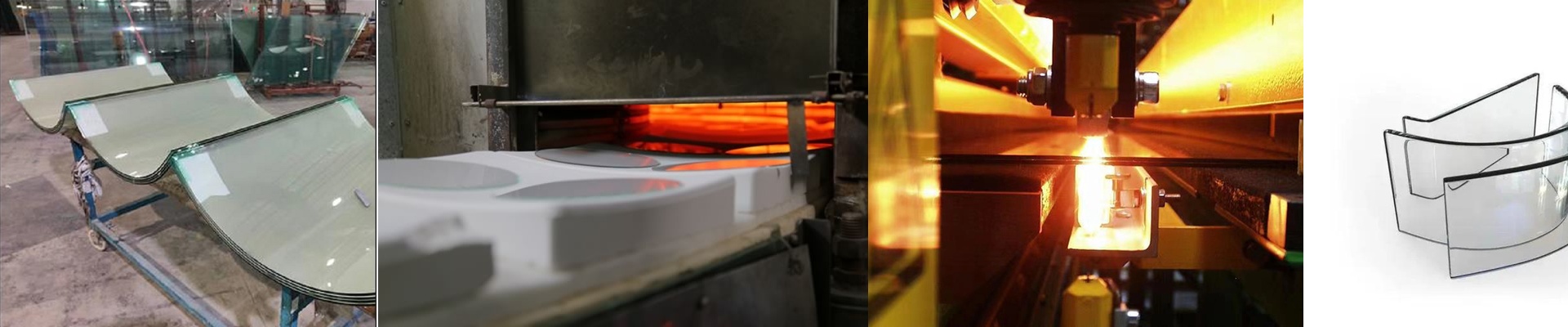
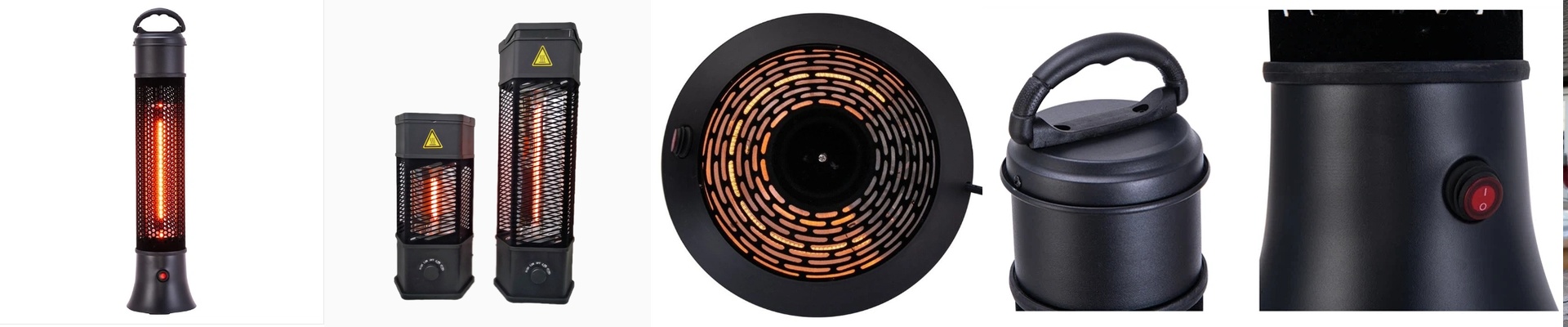
On the line, that CNC cutter is waiting for the edge to be right. Get it wrong, and scoring defects plus micro-fractures ride right through tempering and bending. You don’t just lose glass—you lose time, and you pay for both. So we put a preheating lamp right at the failure point. It brings the surface to a controlled temperature right before the cut, dropping local viscosity and taking the edge stress down. What we built, technically We use quartz short-wave infrared (NIR) emitters—fast response, high power density, and you don’t end up fighting convection all over the sheet. The heat stays focused in a narrow band, so you’re warming the cut line, not the whole pane. Standard units run 230V/400V three-phase, with power matched to cut-head clearance and line speed—typically 1.5–3.0 kW per lamp module. The quartz envelope handles rapid thermal cycling and holds up near coolant and dust. Output stays stable over thousands of cycles, and the module is a direct-fit for common OEM cut-head interfaces. Why it earns its keep This lamp shines where the process is continuous—bending, tempering, lamination (EVA/SGP/PVB), coating drying, and insulating glass sealing. In bending and tempering, preheating the edge before CNC cutting cuts down chipping and micro-cracks that would otherwise pop up after thermal shock. On lamination and coating lines, it keeps the cut edge ready for downstream adhesion and drying, so you avoid edge lift and blistering. The payoff is fewer edge rejects, better throughput, and less rework. And energy use stays predictable because the lamp heats on demand—no oven idling. The practical details Installation is straightforward, but alignment is the make-or-break. The beam has to be centered on the scoring path at the right working distance; a few millimeters off and the thermal band shifts, giving you uneven heating. Keep the emitter window clean—coolant residue and glass dust will kill output fast. This isn’t a substitute for full annealing. It’s a precise, local preheat for the cut itself. Tell us your cutter brand, head clearance, and line speed, and we spec the module, mounting, and wiring for a drop-in fit.