
Stop Guessing Which Lamps to Buy
Here’s the thing about buying a quartz infrared lamp by the part number: it’s basically a gamble. If you just swap out a burned-out tube and call it a day, you’re just treating the symptom. You aren’t actually fixing why it blew in the first place. That’s why we’d rather send an engineer to your floor to actually look at your heat load before we even talk about replacements.
The tricky part about heating glass
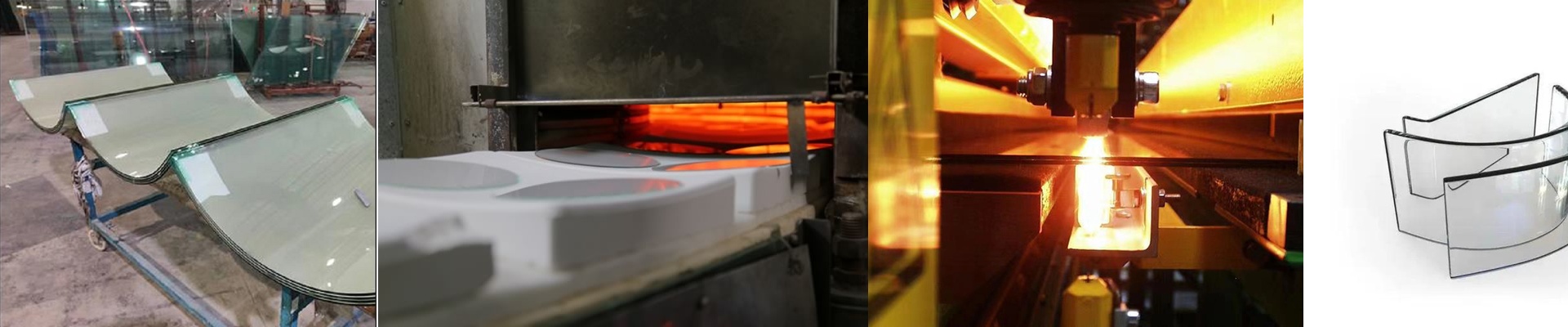
Glass is finicky. You need the wavelength to be just right so the heat actually penetrates the material instead of just bouncing off. Shortwave quartz lamps are great because they pack a lot of energy into a small space, which makes your cycles faster. But there’s a catch. If we try to force 2500W through a tube that’s too short just to hit a temperature goal, the ends of the lamp are going to get hammered. We spend our time balancing the voltage and wattage so your filaments don’t just pop a few weeks after installation.
It’s more than just “plug and play”
We use high-purity quartz because glass processing is brutal on equipment. Depending on how your oven reflects heat, we might even add a specific coating to the tube to shift how the energy hits the glass. Then there are the connectors. Whether you’re using an R7s or an SK15, it isn’t just about whether it fits in the hole. It’s about the current. If you use the wrong terminal for a high-amp lamp, you get arcing. Then you get melted housings. Not a great look. We check your wiring and the contact pressure to make sure the lamp doesn’t fry right at the socket.
The stuff people usually forget
A powerful lamp can fix your heating speed, but it puts a massive strain on your cooling. If your airflow is clogged or your fans are under-spec’d, that ambient heat will eat your lamp’s lifespan alive. We don’t just want to ship you a box and walk away. We want to look at your airflow and power stability first. That way, when those new lamps go in, they actually stay lit.