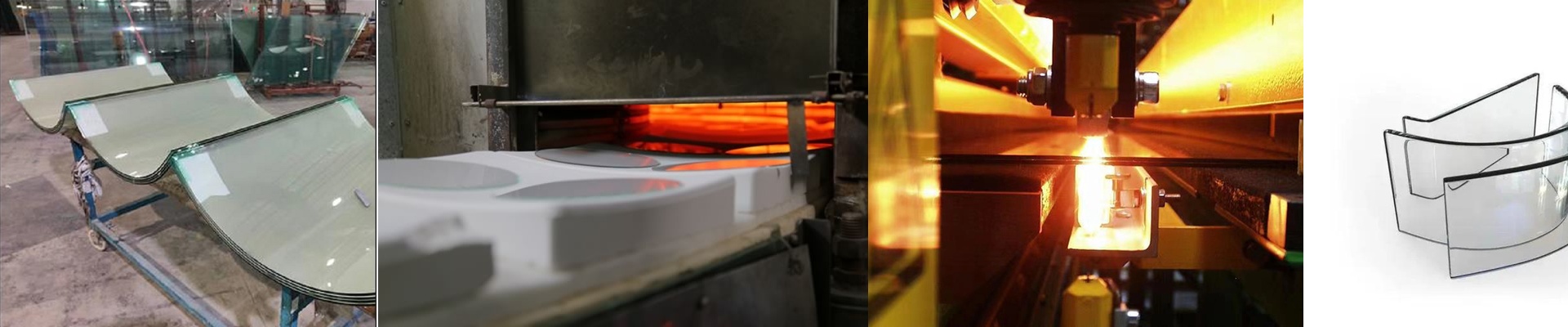
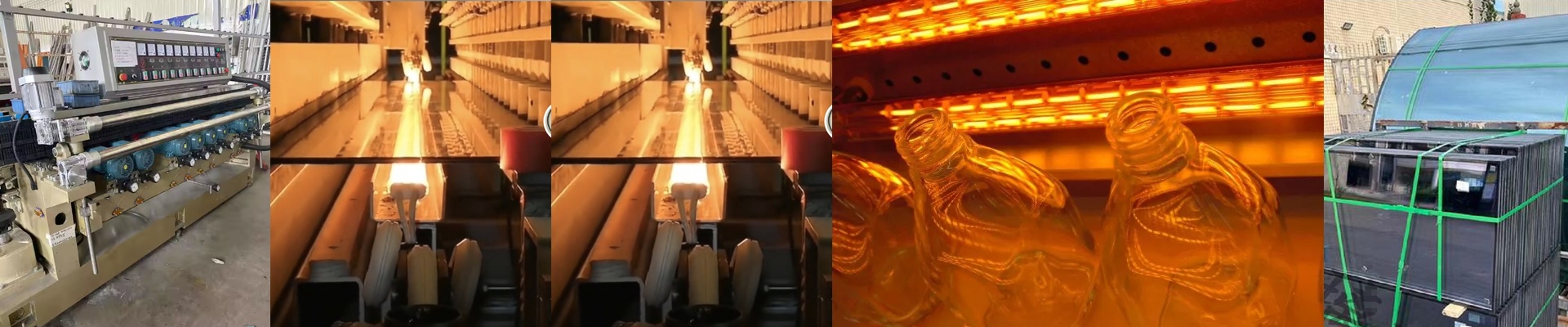
If you’ve ever tried building a custom glass bending furnace, you know the struggle. You’re staring at your blueprints and realizing the math just isn’t adding up. You’ve got these tight radii and narrow gaps, but the standard infrared lamps you can buy off the shelf just… don’t fit. It’s a frustrating spot to be in. If the lamp is too far away, you’re losing heat. If you jam it in too close, you’re looking at hot spots or, worse, the lamp actually touching the glass. Not a good day. Getting the heat where it actually belongs Here’s the thing: the distance between your IR emitter and the glass is everything. It’s what makes the heat uniform. When space is tight, stop trying to force generic lamps to work. We do things differently. We build custom lengths and shapes—U-bends, curves, you name it. The goal is to get the heat source as close to the glass as possible without compromising the machine. We stick with shortwave IR because it hits the glass fast. By tailoring the lamp to the actual shape of your project, you get a consistent safety gap across the whole bending zone. No more dealing with those annoying “cold edges” that happen when you use oversized, generic gear. The trade-off: Power vs. Heat We can build these lamps to your exact millimeter. Whether you need a specific length for a proprietary rail or a custom wrap around a mandrel, we’ll make it happen. But a word of caution. You have to be smart about power density. If you pack a high-wattage custom lamp into a tiny space, you’re dumping a massive amount of heat into the furnace frame. It’s a lot. If your ventilation or water-cooling jackets aren’t up to the task, you’re going to fry your wiring and sensors. It’s a simple balance, but it’s a critical one. Making it all fit The best part? Custom shapes mean you can ditch those clunky, awkward adapters. You just wire them straight into your controllers and go. When the lamp actually matches the contour of the glass, you stop wasting energy heating up the furnace walls. Instead, all that power goes exactly where it should: into the glass. It’s cleaner, simpler, and it just works.