
On the line, heat isn’t just a number—it’s control. In tempering, lamination presses, and coating dryers, uneven heat shows up fast: optical distortion, edge stress, and sheets that end up in the scrap bin. What you need is a heating panel that holds a stable thermal field and repeats it, cycle after cycle.
What we focus on, technically
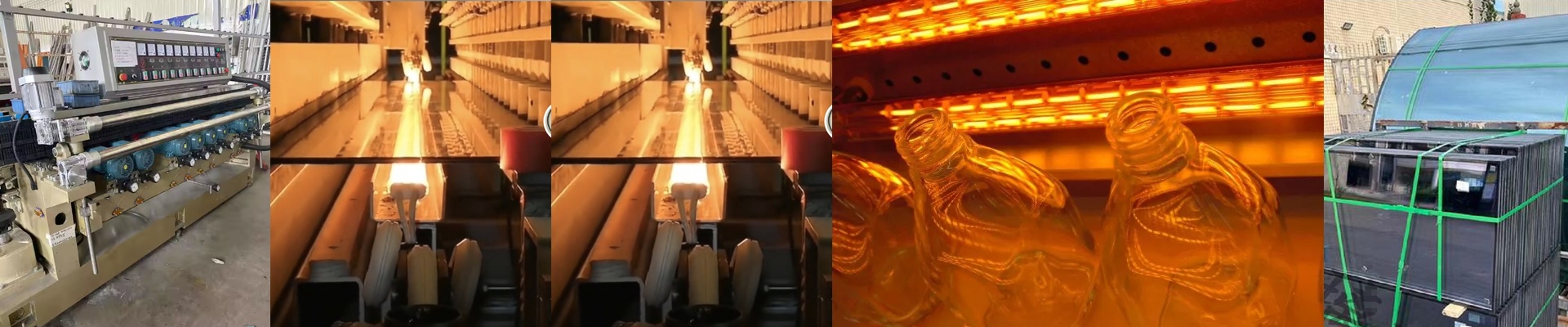
We build the panel with short-wave infrared elements in a quartz envelope. The payoff is quick response and high power density without pushing around a lot of convection. Emitters are laid out so the heat profile across the glass stays inside the process window, which knocks down hot spots and cold edges. Standard setups run on 480 V three-phase, with wiring matched to the load and industrial connectors so you can swap the panel in and get back online without drama. Control comes through a solid-state relay and a calibrated thermocouple, giving you repeatable setpoints and a documented temperature curve. In practice, that translates to faster ramp-up, tighter uniformity, and less drift when you’re in the middle of a long run.
Why this approach fits glass work
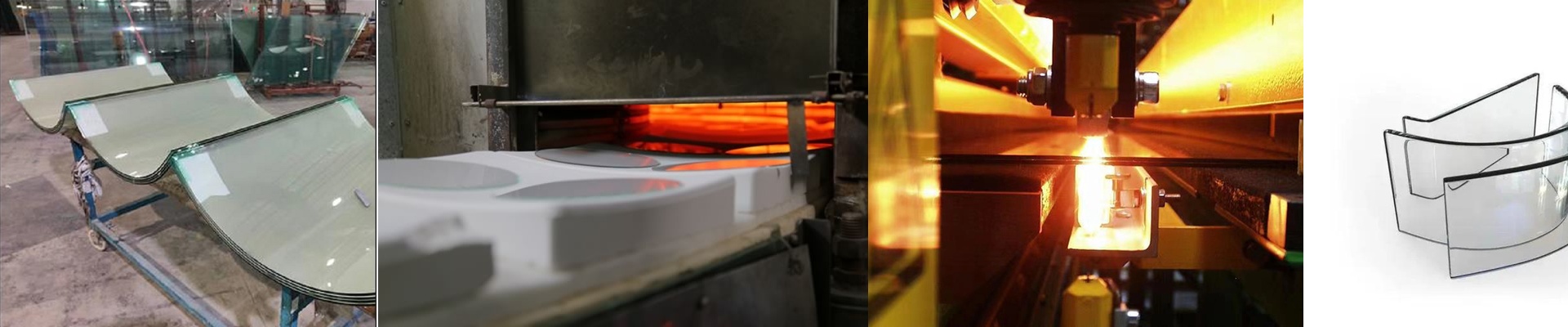
This panel earns its keep in plants where the scoreboard is yield and uptime. In tempering, uniform heating reduces the risk of thermal stress fractures and improves optical quality across the whole pane. In EVA lamination, it shortens the heating phase while keeping polymer flow consistent—so you cut cycle time without hurting adhesion. For coating drying, it delivers the right heat dose quickly, which helps limit pinholes and hazing. The result is fewer rejects, more predictable output, and a lower kWh per square meter.
What to watch for on install and in daily use
Installation is straightforward, but alignment is everything. Mount the panel flat and keep the gap set to the original spec. Even a small offset shifts the heat profile and can introduce edge warp. Expect a short in-line tuning period to dial in your glass thickness and line speed. And while the panel is efficient, don’t crowd ventilation. Reflected heat can build up around the frame. Plan on routine cleaning of the emitter face and a yearly calibration check to keep repeatability where it needs to be.