Stopping the Waste in Your Glass Annealing
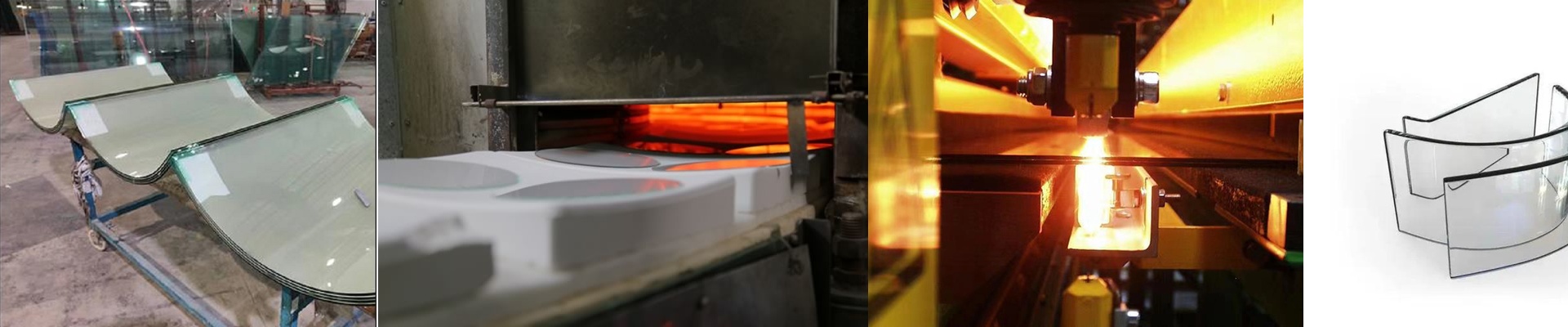
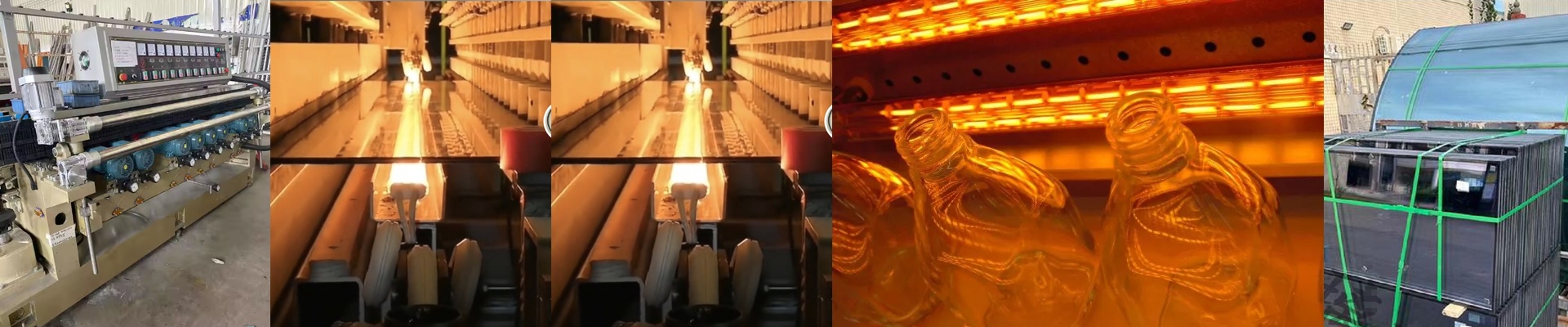
Annealing glass is all about getting the temperature exactly right so you can get rid of those internal stresses. But here’s the problem: most standard infrared lamps are pretty wasteful. They pump out wavelengths that the glass just bounces back or ignores entirely. Basically, you’re paying for energy that isn’t actually doing any work.
It’s All About the Chemistry
Every type of glass is different. Depending on what additives or dopants are mixed in, the glass will “want” to absorb energy at specific wavelengths. Think of it like a radio. If your lamp is broadcasting on 2.0 microns, but your glass is tuned to 3.5 microns, you’re just heating up the air in the room. It’s frustrating and inefficient. We fix this by tweaking the lamp’s emitter material and coatings. We shift the spectral output so it hits that absorption peak perfectly. When the wavelength matches the molecule, the heat sinks in faster and you don’t end up with that annoying surface stress.
The Trade-offs (The Honest Part)
Now, this isn’t magic—there are some things to keep in mind. To get that specific spectrum, we usually have to modify the quartz envelope or add interference coatings. This makes the energy absorption way better, but it can change how the lamp handles heat. If we tighten that spectral peak too much, you might need to bump up the wattage to keep the same amount of heat flowing. Just make sure your power supply and cooling fans can handle the extra load before we go full-throttle on the customization.
Putting it to Work in Your Lab
The best part? These lamps are designed to be drop-in replacements for the ovens you already have. Once you align the IR output with your specific glass chemistry, your “soak time” drops. You aren’t spending forever waiting for the core of the glass to reach temperature, and you aren’t accidentally over-firing the surface. It’s just simple physics. Match the wavelength to the material, and everything just moves faster.