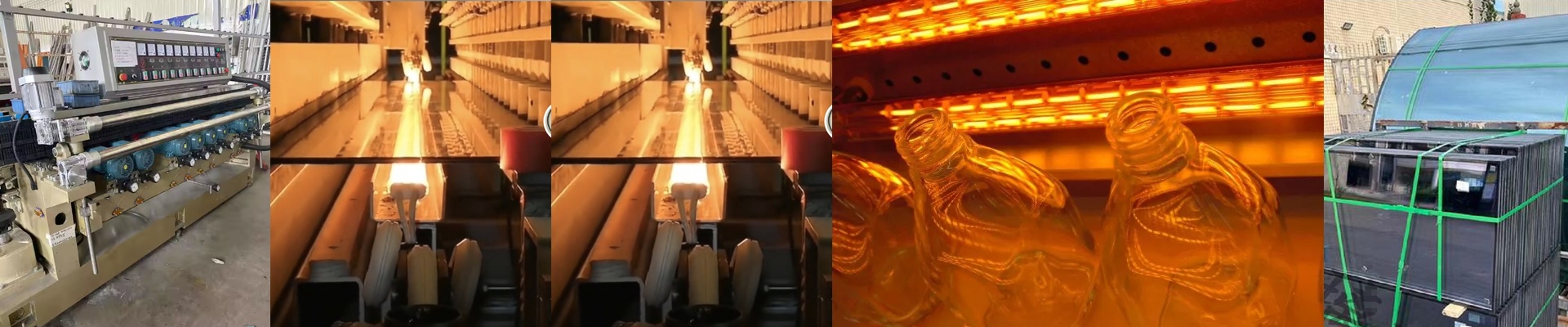
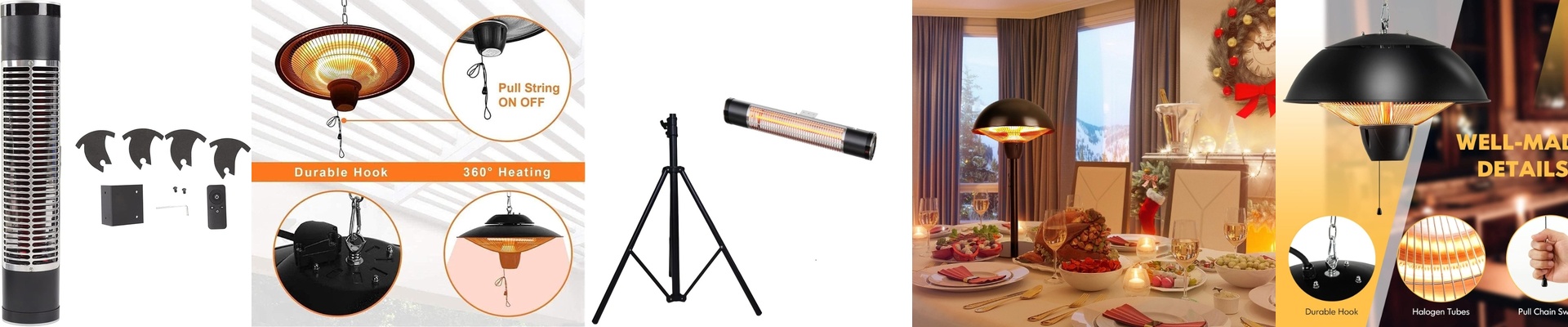

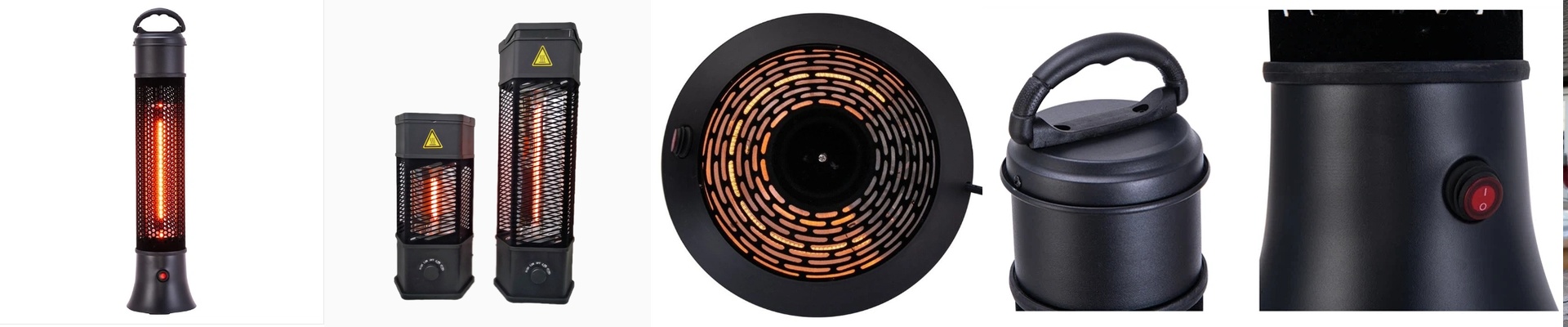
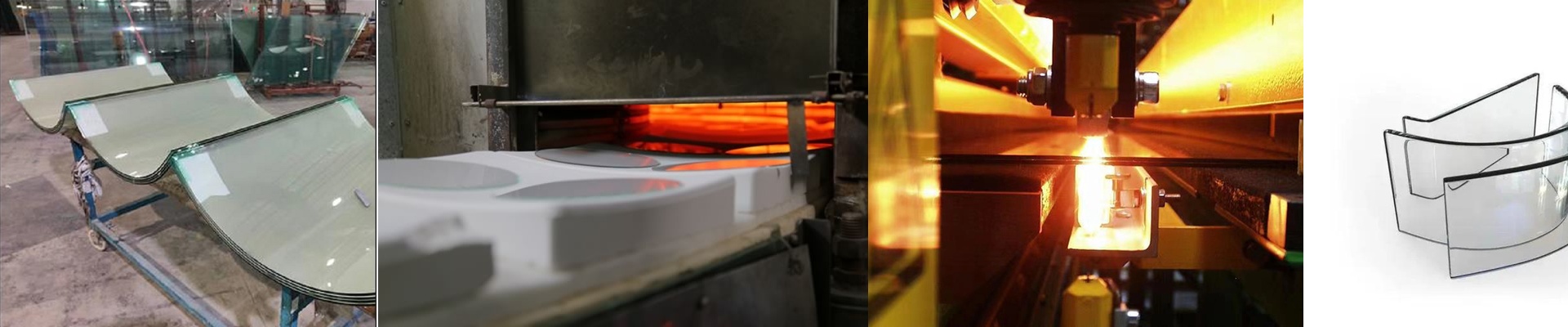

On the glass line, Annealing is where the margin lives. If the heat isn’t even, you bake thermal stress right into the sheet, and it shows up later as breakage—on the cutter, in the autoclave, when you least need it. Convection ovens fight to keep the profile stable. We go straight at it with short-wave infrared lamps. What we build the annealing zone around Short-wave NIR quartz lamps. They hit the glass with fast, volumetric heating and high power density. The response is almost instant—lamps come up to operating temperature in seconds, so you can follow stop-and-go production without paying a long warm-up penalty. The wavelength is tuned for strong absorption in glass, which means the heat goes into the sheet, not into the air or the belt. That gives you a uniform thermal field across the width, so you cut down the gradients that cause edge stress and optical distortion. Control stays straightforward: closed-loop temperature with pyrometers and a PID that holds the soak band tight, whether you’re running 3 mm float or 12 mm low-E. Why it plays well on the floor Energy use drops because the lamps heat the glass, not the whole chamber. In practice, that shows up as lower kWh per square meter and a cooler plant floor. Yield climbs because the soak is consistent. You see fewer rejects from thermal stress, micro-cracks, and warp. Maintenance gets easier, too. The lamps drop in as a replacement for many OEM modules, and with fewer moving parts than a full convection system, you spend less time chasing belts, blowers, and seals. The payoff is steady output, predictable quality, and fewer unplanned stops. What you need to keep straight Infrared annealing works best when you match glass emissivity and line speed to lamp power and dwell. Reflectors have to be aligned—get the angle off even a little, and it shows up as a stripe. Lamps run hot, so keep clearances and cooling air paths exactly as specified. They’re compatible with standard busbars and terminals, but if your line has tight spacing or variable voltage, confirm the voltage and connector match before you change over.