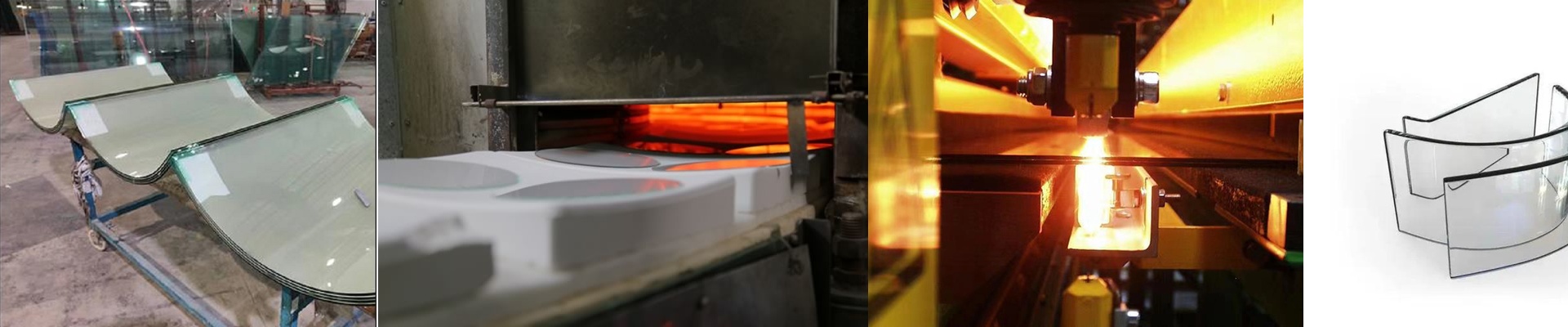
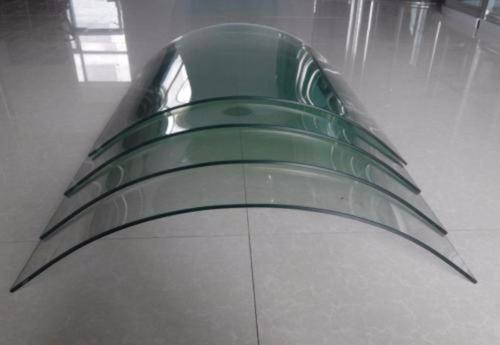
On the tempering and bending line, a cold spot or a localized hot band isn’t a minor hiccup. It’s scrap. It’s throughput bleeding away. And it’s a safety issue that’s just waiting for the wrong piece of glass to come through. When you see rejects from thermal stress fractures, optical distortion, or warpage, you can almost always follow the breadcrumbs back to the same culprit: heat distribution that drifted outside tolerance.
What matters under the hood
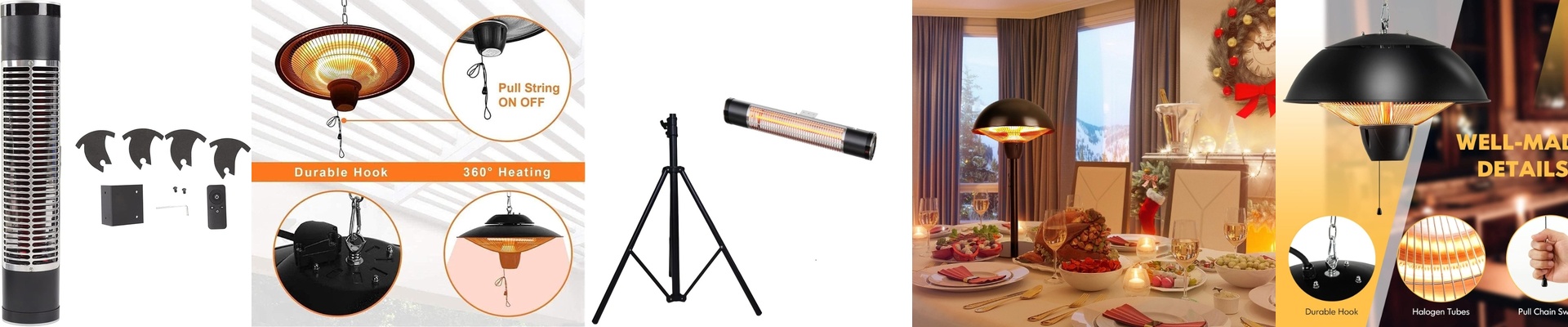
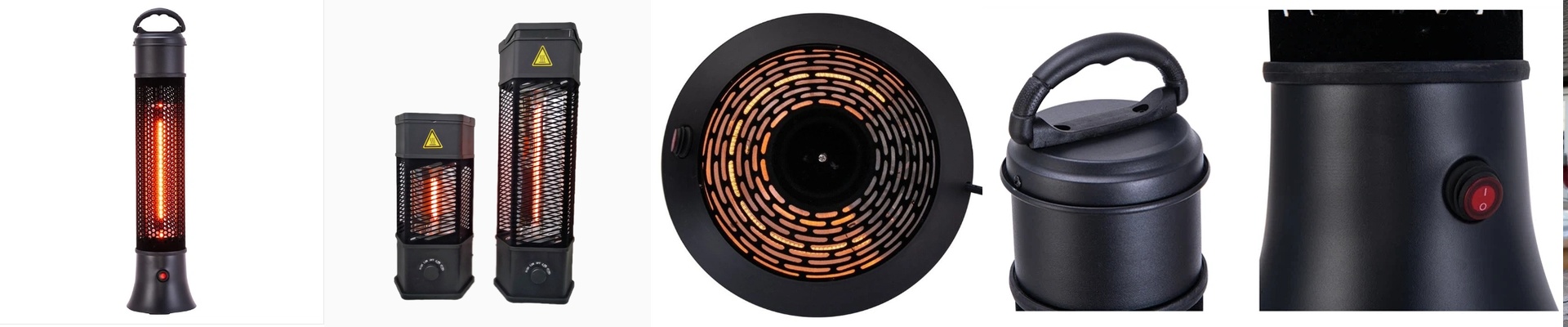
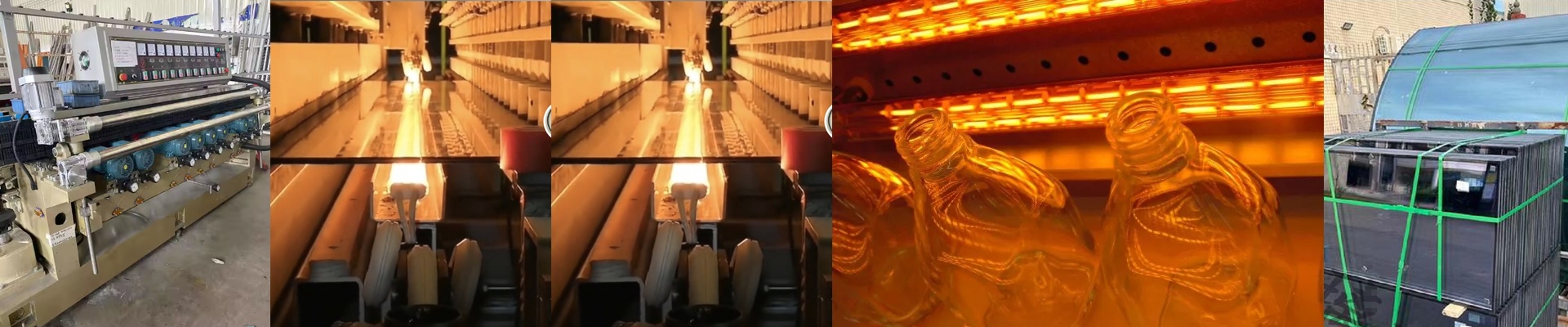
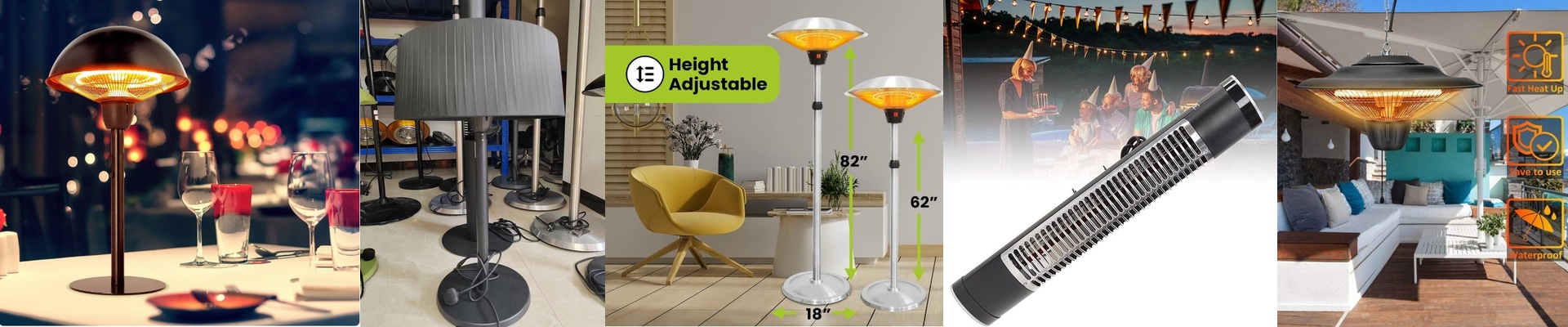
Quartz heaters on glass machinery throw short-wave infrared with serious power density and fast response. The quartz tube holds consistent emissivity across the heating face, and the element geometry is set up to deliver a uniform thermal field instead of a hot center. In practice, that gives you tighter temperature uniformity across the glass, less thermal shock during heat-up, and stable control through the soak. We size output and voltage to match the machine’s duty cycle—bending ovens, lamination presses, coating dryers, or IG sealing stations—so the heater works with the control loop, not against it.
Why this matters on the line
Uniform heating is how you control the two headaches that never go away: stress and shape error. When the heat profile is even, the glass heats without steep gradients, which cuts down on spontaneous breakage and keeps optical quality in spec. Faster stabilization shortens cycle time without forcing the glass, and repeatable profiles make lamination and coating cure behave the same way shift after shift. The payoff is fewer rejects, less rework, and a line that runs with a steadier rhythm.
The details that bite you
Quartz heaters are particular about mounting and clearance. Mount the heater in the designed bracket, keep the specified gap to the glass or reflector, and align the element so you don’t create shadowing. Keep the surface clean and check quartz integrity—a crack shifts emissivity and can drive non-uniformity fast. Before you swap one in, confirm voltage and connector compatibility with your controller, then re-verify PID tuning after replacement so you actually hold the uniformity you need.