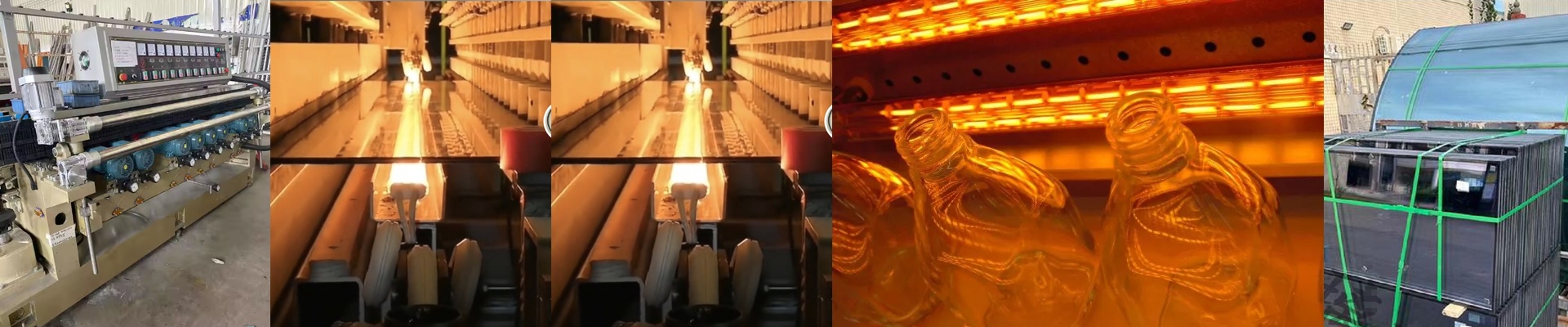
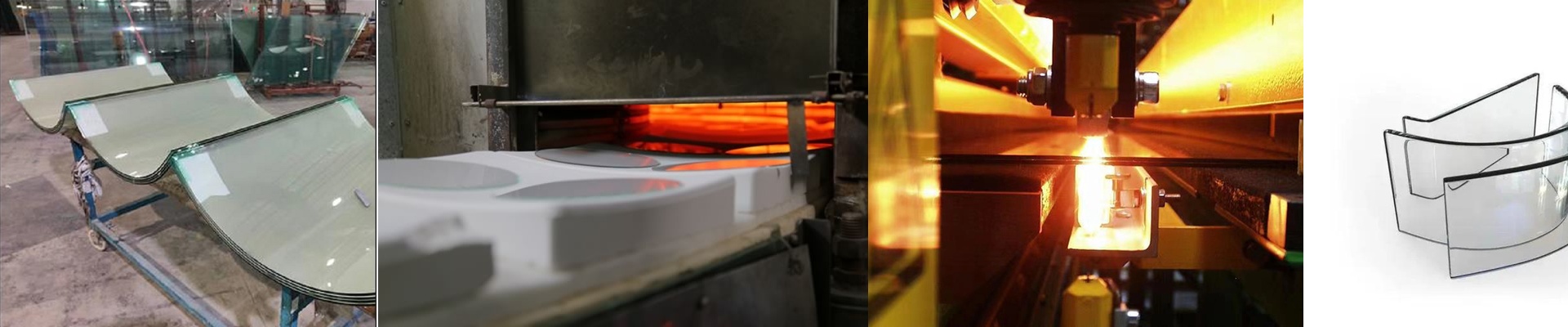
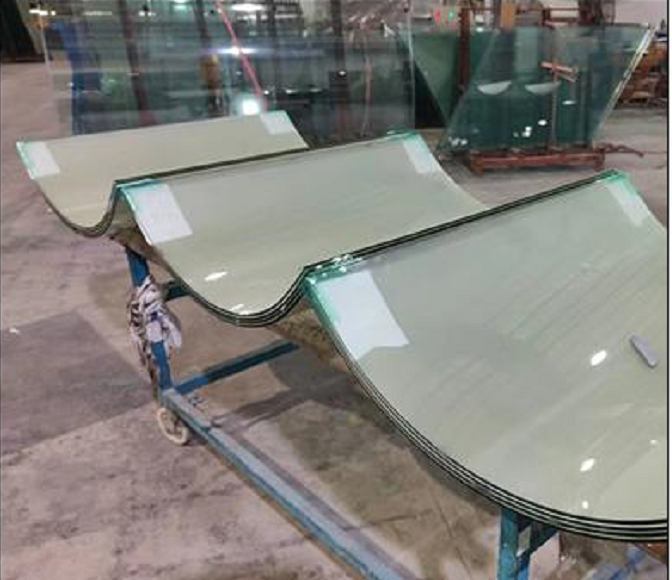
On the line, heat timing is fixed. If the warm-up crawls, it drags the whole tempering and lamination schedule with it. And if the thermal field isn’t uniform, you’ll see stress marks, optical distortion, or worse—cracks that don’t show up until inspection. When the heating element underperforms, scrap climbs and throughput falls. What matters, technically We run ruby glass infrared heating bulbs that deliver short-wave energy with high emissivity. They heat glass fast, without leaning on convection. The quartz envelope takes thermal shock in rapid-cycle ovens and holds stable output, even when you’re starting and stopping all day. They come in standard industrial voltages and common lamp-holder interfaces, so they drop into existing layouts with minimal rework. The wavelength is chosen to be absorbed efficiently by glass and coatings, so the surface heats directly—less lag between setpoint and what the glass is actually doing. Why it plays in real production On tempering lines, that quick response tightens the heating segment. You can run furnaces at higher line speeds without giving up surface quality. In EVA/SGP/PVB lamination, uniform heating across the stack keeps the polymer melt consistent edge to edge, so you don’t fight bubbles and voids. For insulating glass sealing, the focused heat makes the secondary seal cure more predictably, with fewer temperature swings that can leave you with uneven adhesion. And because heat is delivered on demand instead of wasted preheating air volumes, energy use drops. A few shop-floor notes These bulbs don’t like surface contamination—oils and residues can create hot spots and cut service life short. Keep the reflector clean, and make sure the lamp seats squarely in the socket. Uneven contact is a reliability killer. They run hot, too. Verify clearances and airflow around the element so you don’t cook nearby insulation or wiring. Treat replacement as preventive maintenance. Keep a spare on hand. That way, downtime is measured in minutes, not hours.