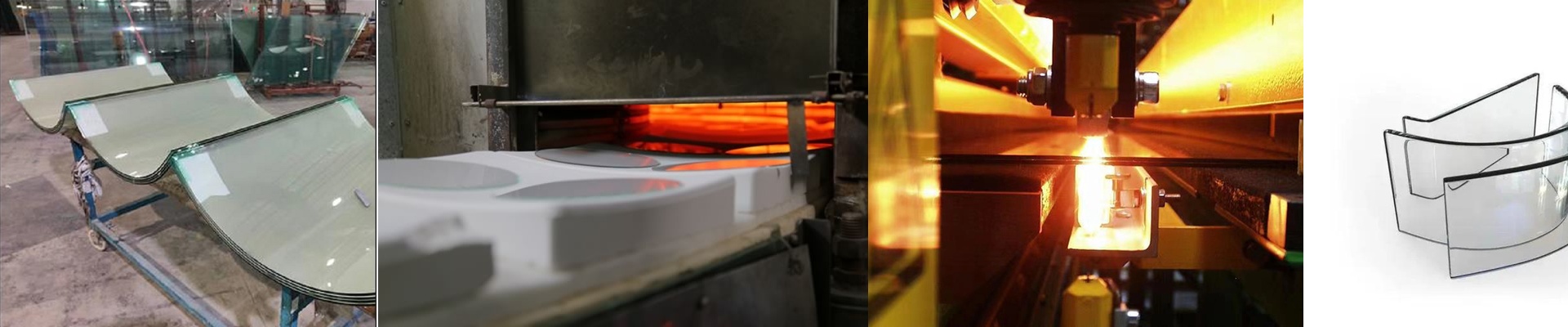
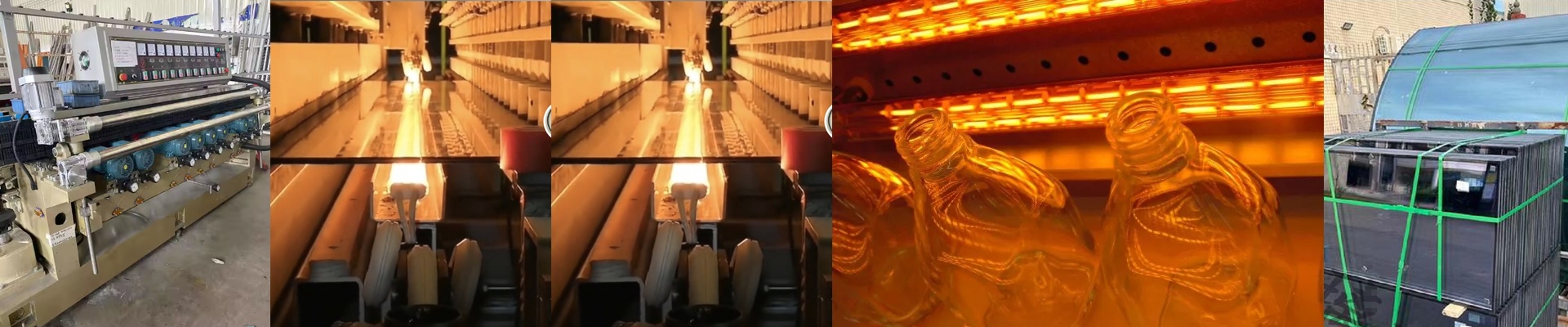
Out on the line, glass doesn’t wait. It runs through tempering, bending, lamination, and insulating glass sealing, and its thermal history writes the final properties in stone. When the lehr heat profile drifts, you feel it fast—warpage, optical distortion, stress fractures that show up after cutting or during performance testing. That’s where electric glass lehr heating earns its keep: keeping temperature under control when the schedule is tight and the tolerances are even tighter. We build electric lehr heating around predictable heat transfer, not guesswork. Medium-wave quartz emitters respond quickly and hold tight control, with fast ramp-up for quick changeovers and stable hold zones for annealing. The result is a uniform thermal field that keeps thermal stress in check during stress relief, supports consistent bending contours, and makes coating drying profiles repeatable shift after shift. Power density and zone layout are matched to glass emissivity and line speed, so you get the same temperature at the glass surface whether you’re running 4 mm or 12 mm. Here is the thing: output, yield, and uptime all collide in the same place. Electric heating shortens heating cycles without sacrificing flatness, cuts edge and corner rejects that come from uneven heating, and keeps EVA/SGP/PVB lamination curing stable. Energy use drops because electric elements convert directly, and the control system holds setpoint without chasing the swings you get from gas-fired convection. For insulating glass, consistent seal curing means stronger adhesion and better long-term moisture resistance. Installation is straightforward, but the details are where you win. Existing lehrs need compatible mounting, wiring, and control interfaces; we size conductors and fusing to the load and verify zone isolation. Plan on a short shutdown for retrofit, and keep a schedule for periodic emitter inspection in high-duty zones. Heat is relentless—preventive checks keep the line moving.