When Your IR Lamp Parts Vanish (And Your Line Stops)
There is nothing worse than a stockout from your OEM. Your production line just… stops. Everything freezes. We’ve seen it happen a hundred times. When you’re in that panic mode, you don’t need a “shipping update.” You need a part that actually fits. That’s why we fast-track custom ceramic end caps in seven days. We keep the tooling and material specs on hand so we can build a drop-in replacement that slides right into your existing footprint. No hacking, no praying it works. Just a part that fits.
Why the Material Actually Matters
Here is the thing: the end cap is usually where high-wattage IR lamps give up the ghost. It’s the primary failure point. We stick with high-purity alumina ceramics. Why? Because the temperature jump between the quartz tube and the electrical contact is brutal. If you try to save a few bucks with a cheap substitute, the cap will likely crack the very first time it heats up. It’s all about the dance between the quartz and the metal lead wires. They expand at different rates. If the tolerances aren’t tight, you get a leak. Once that halogen gas escapes, your lamp is toast in a matter of hours.
Getting the Fit Right
Most of the time, we’re dealing with R7s or SK15 connectors. We make sure the voltage and wattage are a perfect match so you don’t deal with pins arcing under load. And if your machinery vibrates a lot—which, let’s be honest, most does—we use reinforced ceramic bases. It keeps the lamp from shifting around while the machine is humming along.
The Trade-off: Heat vs. Life
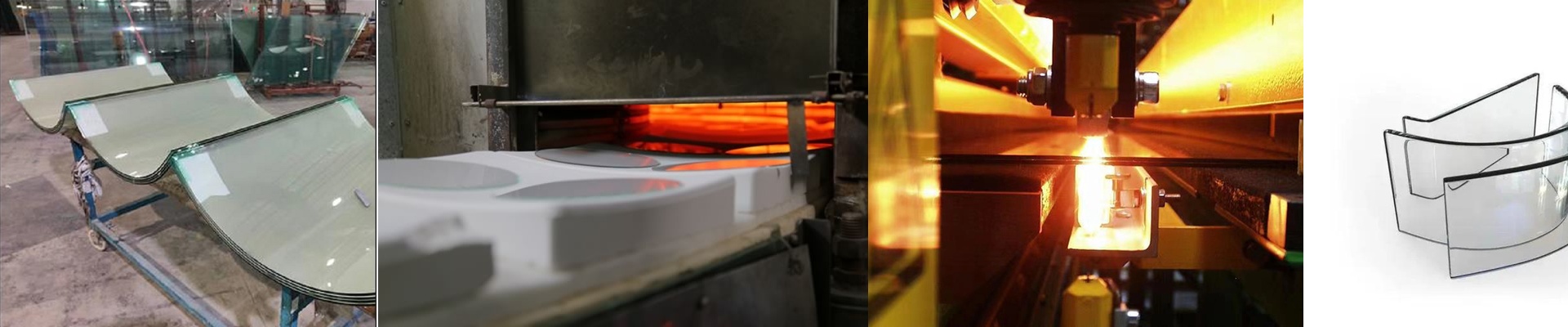
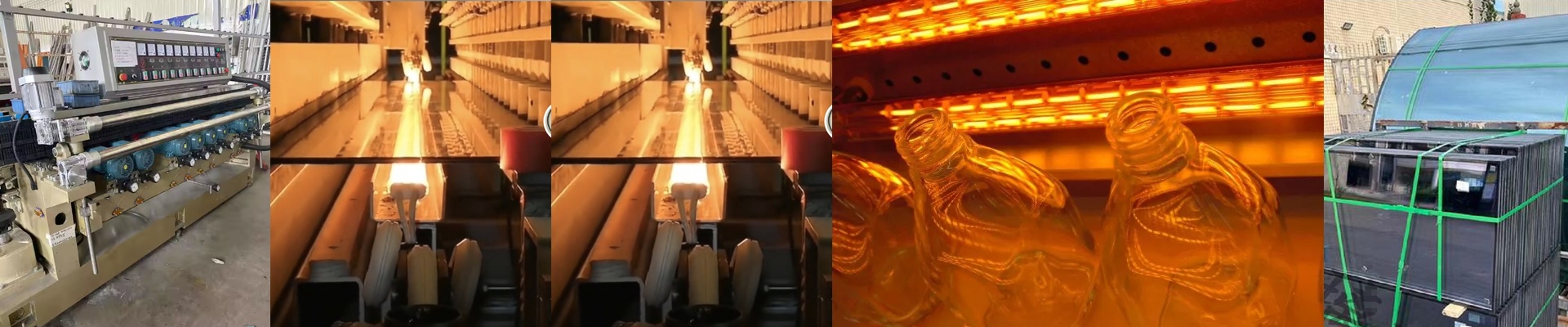
If you’re doing PET blowing or rapid curing, you probably want to push your lamp to its max wattage. More heat equals faster work. But there’s a catch. That extra heat puts a massive amount of stress on the seal where the ceramic meets the metal. If you’re cranking the output to the limit, you’ve got to make sure your cooling fans are actually doing their job. If they aren’t moving enough air, your lamps will burn out fast, no matter how good the end cap is.