Getting the Balance Right: Silk-Screening and Tempering
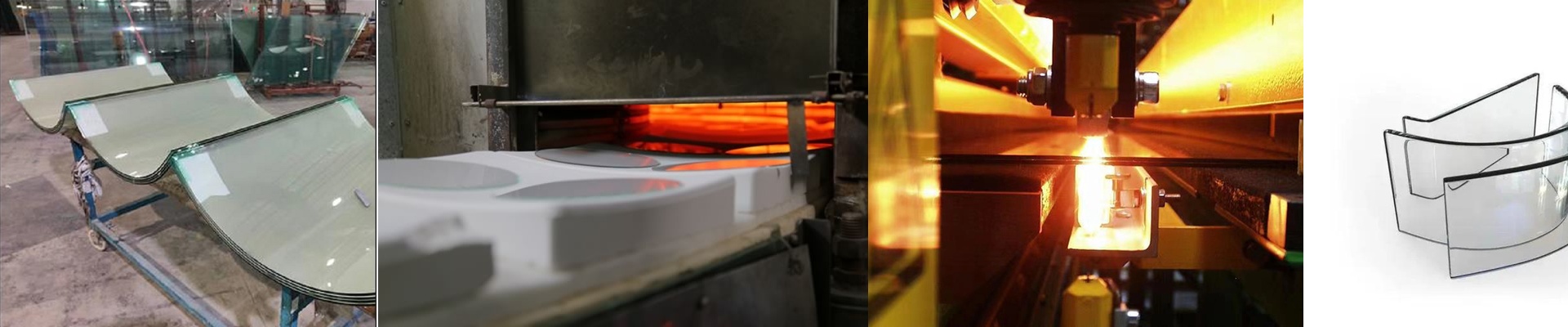
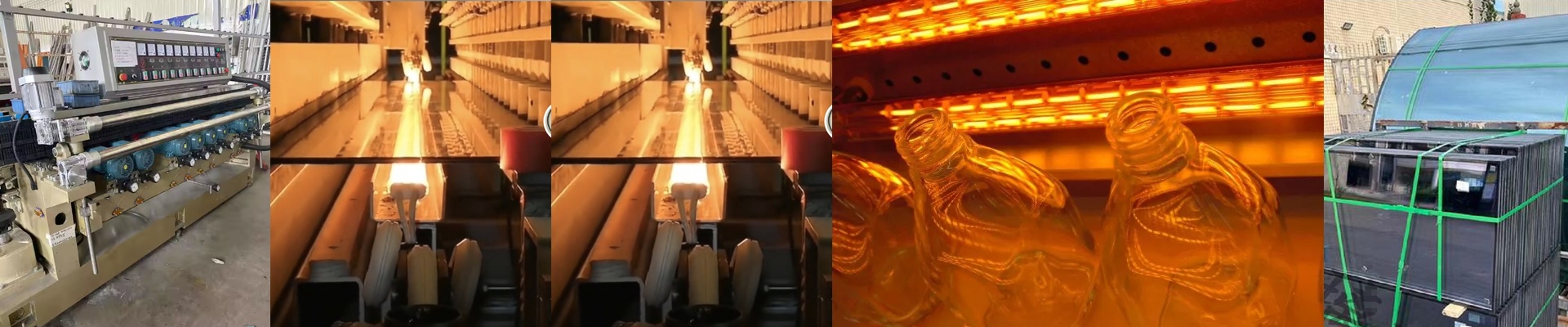
When you try to combine silk-screening and tempering into one go, you’re basically walking a tightrope. You need enough heat to bake that ink right into the glass, but if you push it too far? Your crisp patterns turn into a blurry mess. That’s why we lean on clear quartz infrared (IR) tubes. They hit the glass with short-wave radiation fast. It’s the only way to get the job done without lingering too long in the “danger zone.”
Keeping Your Lines Sharp
Here is the trick: the ink has to cure before the glass actually reaches its softening point. We use clear quartz because it doesn’t mess with the spectrum. It just delivers a concentrated burst of energy. This snaps the ink into a chemical bond almost instantly. If you let the heat ramp up too slowly, the ink starts to bleed. One minute you have a sharp edge, the next you have a smudge. Not a great look.
Don’t Forget the Strength
Then there’s the tempering side of things. You’ve got to get that glass above 600°C and then quench it fast. But here’s the catch: ink doesn’t behave like clear glass. It absorbs heat way faster. If your IR arrays aren’t perfectly uniform, you’re in trouble. Cold spots mean the glass won’t temper. Hot spots mean you’re literally burning your art. It’s all about the distance between the tube and the glass, and how much wattage you’re pumping through. Get it wrong, and you’re looking at thermal shock.
The Real-World Trade-offs
Sure, high-wattage tubes get you through your cycle faster. But they’re hungry. They put a lot of stress on your power supply and your cooling fans. And watch your belt speed. If the glass crawls too slowly, those quartz tubes will over-bake the ink until it flakes off or changes color. You can’t just set it and forget it. You have to treat the belt speed and the lamp voltage as one single system. A precision controller helps, mostly so you don’t overshoot and ruin a whole batch of glass.