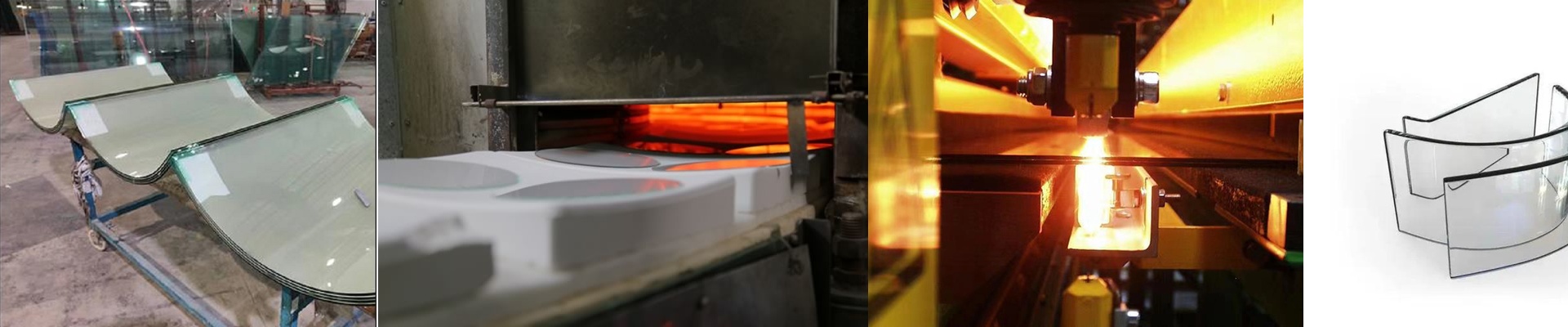
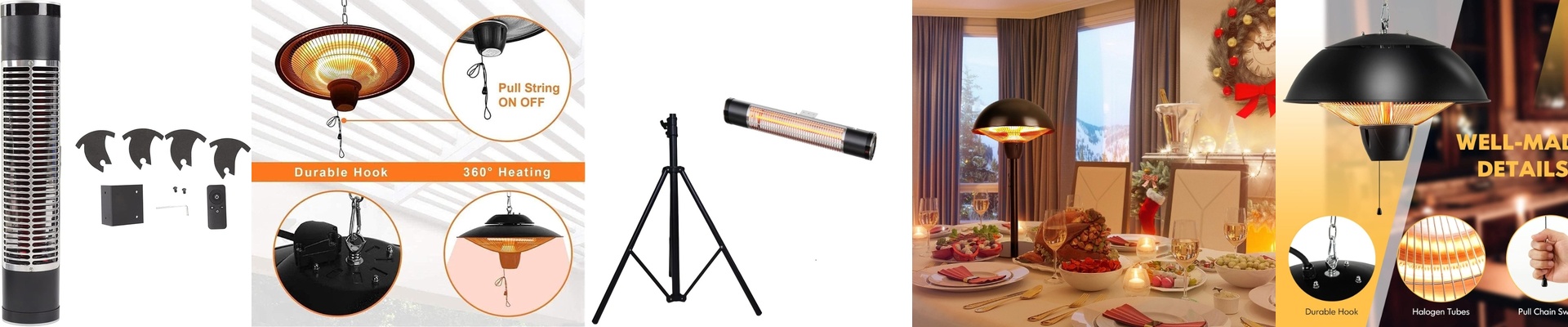
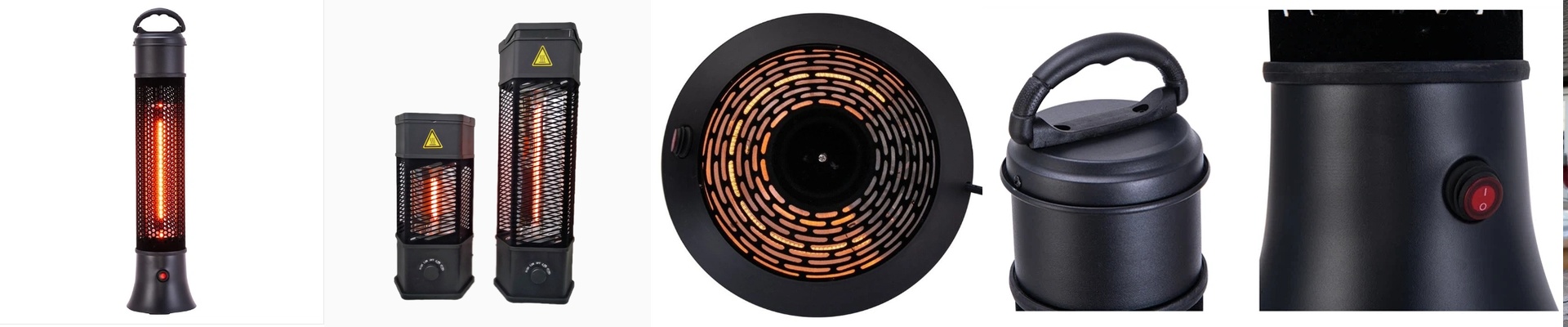
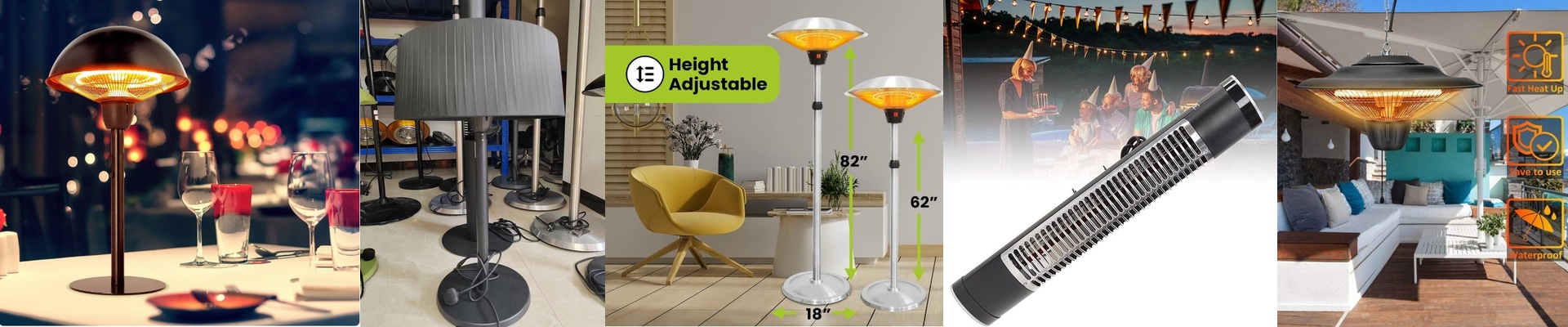
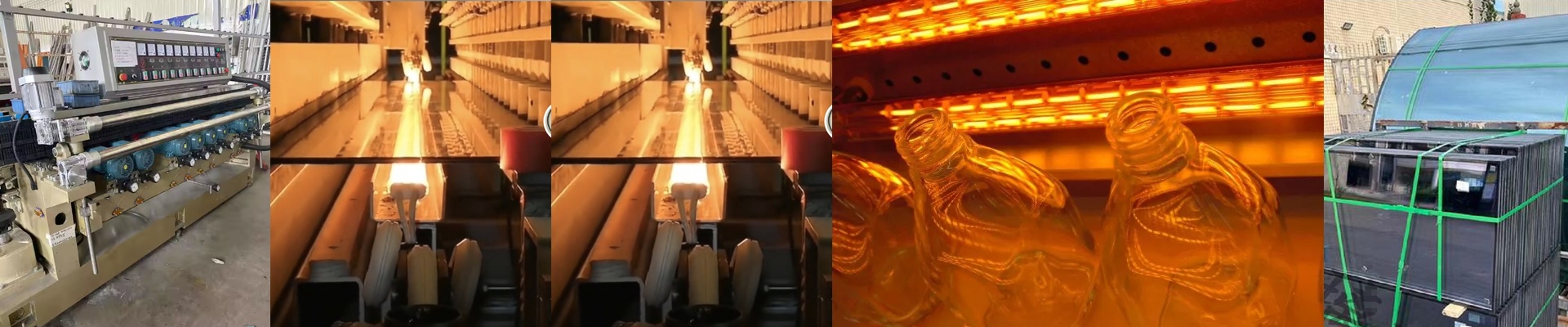
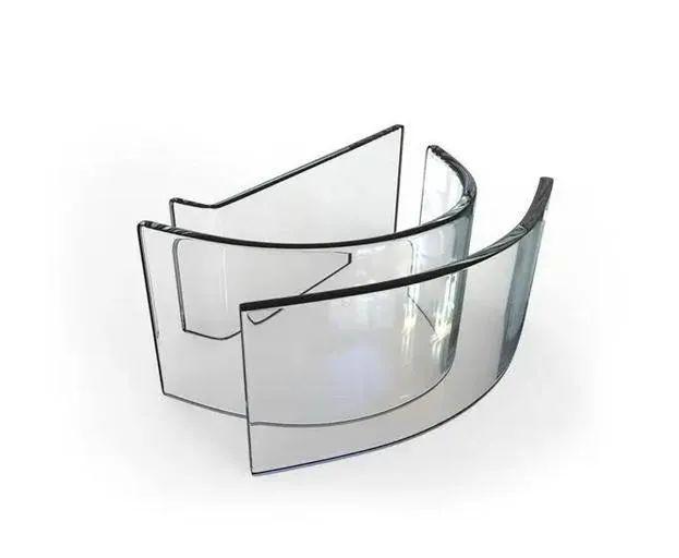
On the line, heat isn’t a luxury—it’s the knob you turn to keep the process honest. When the bending furnace needs a thermal profile you can count on, when the tempering oven has to hit that quench window on the beat, or when the EVA/SGP lamination cycle demands steady curing temperatures, uneven heat shows up fast: scrap, rework, and lost throughput. What matters, technically We spec quartz lamps by length, built around short-wave infrared and quick response. The quartz envelope gives you high intensity with low thermal mass, so the lamp jumps to setpoint and stays locked in when the cycle changes. Every unit is matched to the machine envelope—wattage density, voltage, end-fit geometry, and lead length—so the heat profile follows the glass path, not the other way around. In practice, that means fewer hot/cold zones to chase and a more consistent glass temperature before bending, quench, or dwell. Here’s why it plays well in the processes we know. In hot bending, uniform heating keeps the sheet inside a controlled thermal field, which cuts optical distortion and edge roll-in. In tempering, the preheat has to be fast enough to avoid thermal shock and still meet the furnace entry window; lamp response supports that rhythm. In lamination, even heat across the whole stack keeps interlayer flow controlled—fewer bubbles, fewer edge voids. For coating drying, the lamp puts energy directly into the film without cooking the substrate, so you shorten the drying window and tighten line speed. A few shop-floor realities. These lamps are output-focused, so reflector alignment and a clear line-of-sight to the glass are non-negotiable. You’ll get a much shorter warm-up than with conventional heaters, but plan for proper thermal insulation and guarding—surface temps can be high. Make sure mounting and termination match your existing fixtures; Custom lengths change clearances and service access. Run them within rated power and temperature limits, and you get repeatable heat, shift after shift.