Stopping the Energy Bleed in Your Glass Annealing
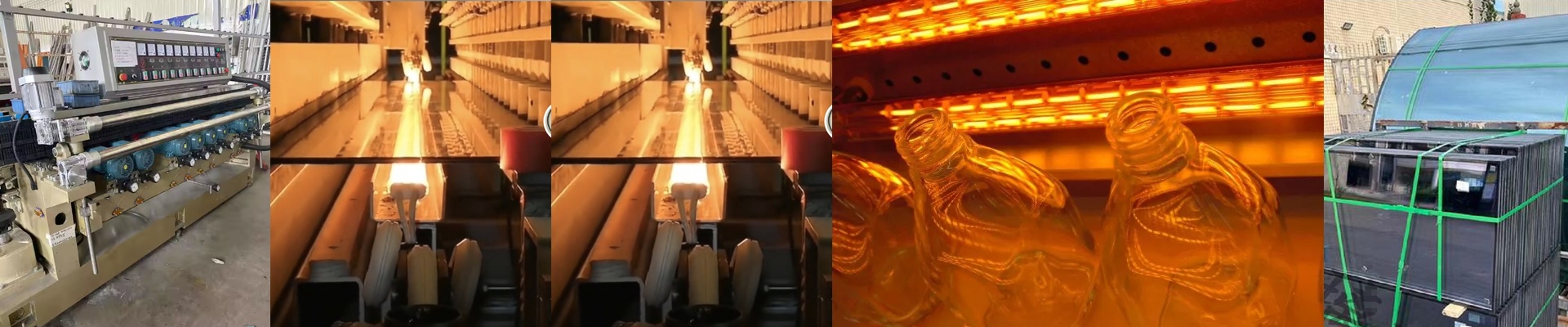
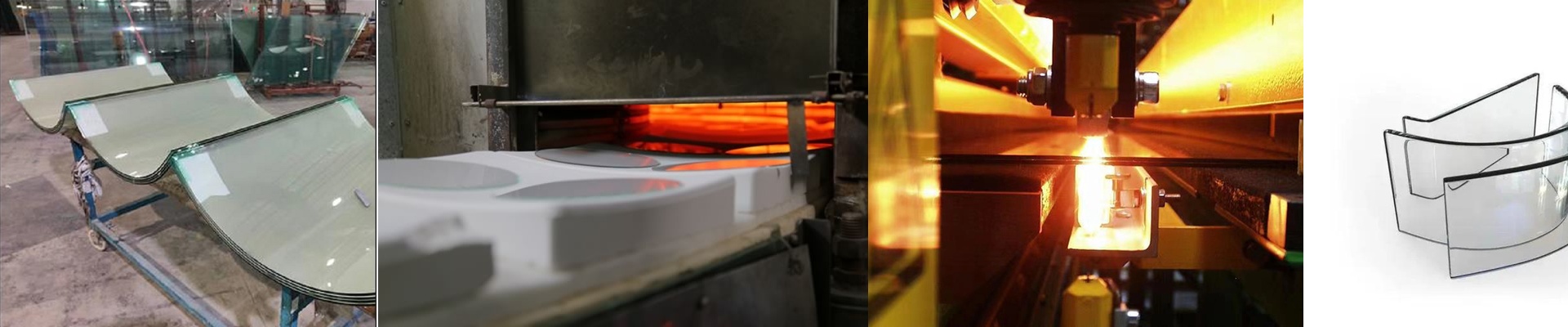
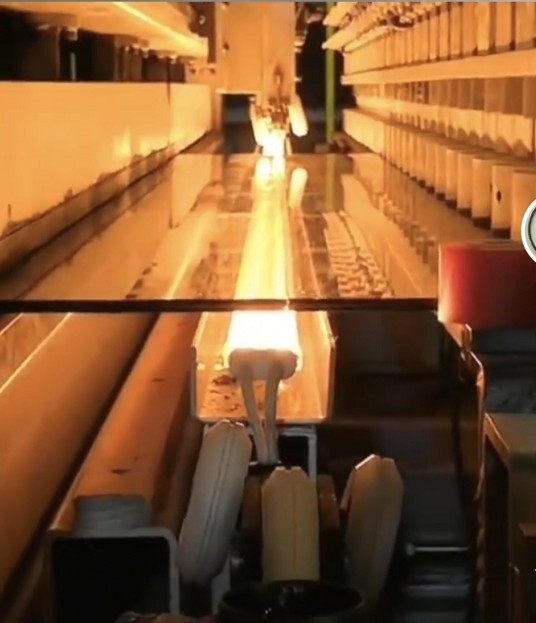
Let’s be honest: annealing is usually where the money disappears in a glass production line. It’s a massive energy sink. Most setups rely on convection, which is basically just heating up a bunch of air and hoping it gets the job done. It’s slow, and it keeps your heaters idling way longer than they should. We decided to fix that with quartz halogen emitters. Instead of heating the air, these bulbs blast short-wave infrared radiation directly into the glass. It hits the surface immediately. No waiting around.
How it actually works
Inside the bulb, we’ve got a tungsten filament and halogen gas wrapped in high-purity quartz. Now, normally, filaments thin out and snap when you push them. But the halogen cycle keeps the filament intact, which means we can crank the temperature way up without the bulb blowing out. The result? A concentrated punch of heat that sinks into the glass much deeper and faster than those old resistive heaters ever could.
Getting it right on the shop floor
Depending on how much space you have in your oven, you’ll want a specific voltage or wattage. High-wattage tubes get you up to temp fast—really fast—but you’ve got to make sure your wiring and power supply can actually handle that kind of draw. If you’re swapping these into an old rig,**double-check your connectors.**We usually stick with R7s or SK15 bases because they give you a tight fit. If the connection is loose, you’re looking at arcing and melted sockets, and nobody wants to deal with that mid-shift.
The trade-offs
Here’s the thing: these lamps will absolutely slash your power bill because you aren’t wasting hours on “soak time.” But because the heat is so intense, you can’t just shove the bulbs right up against the glass. If you do, you’ll risk thermal shock. You’ll need to spend a little time tweaking your conveyor speed and the distance of the lamps to make sure you don’t end up with hot spots. The best part is that these are designed to be drop-in replacements. You pull out the old lamps, wire them into your PID controller, and you’ll see the kWh per unit drop almost instantly. It’s a simple hardware swap that solves a very expensive problem.