Fast-Response Infrared Radiators: The Engineer’s Tool, Not Just a Component
We build fast-response infrared radiators for one simple reason: to get heat right where you need it, exactly when you need it. This isn’t just another heater. It’s a precision thermal tool, built for industrial work where timing and temperature control make or break what comes off the line.
Power, Voltage, and Geometry—How It Actually Works
A fast-response infrared radiator comes down to electrical inputs and physical shape. We lean into high-voltage options, like 400V, so we can pack serious wattage into a small footprint. That means high heat density without needing a giant chassis. The tube length—usually around 300mm—is chosen to slip into tight machine spaces while still delivering the radiant field needed for consistent heating. Here’s the catch: cramming that much power into a short tube does create more ambient heat around it. So your machine’s cooling and airflow have to be designed properly, or components and controls can drift outside safe operating temps.
Materials and Design: The Details That Keep It Reliable
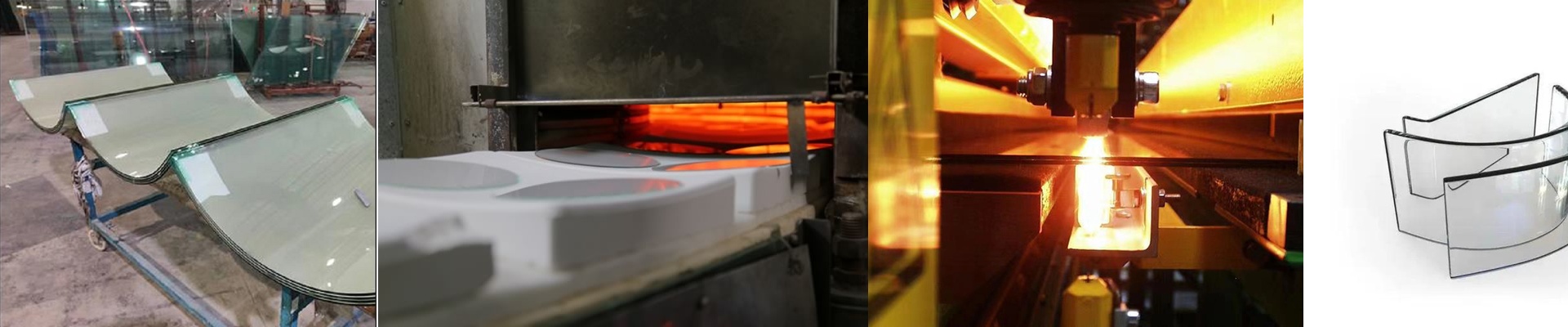
We use quartz envelopes because they handle rapid temperature swings and stay stable under high heat. Halogen elements keep the filament steady, which helps the lamp deliver consistent output over its life. And the coated surface shapes the emission spectrum, focusing energy in the shortwave band for fast, targeted heating. Connectors matter more than people think. R7s and Sk15 aren’t random choices. They give you solid mechanical retention and reliable electrical contact, which cuts down on hot spots at the terminals. Plus, they make the lamp a straightforward drop-in replacement in many industrial fixtures, so changeover on the floor is quicker.
Application and Benefits: It’s About the Solution, Not the Catalog
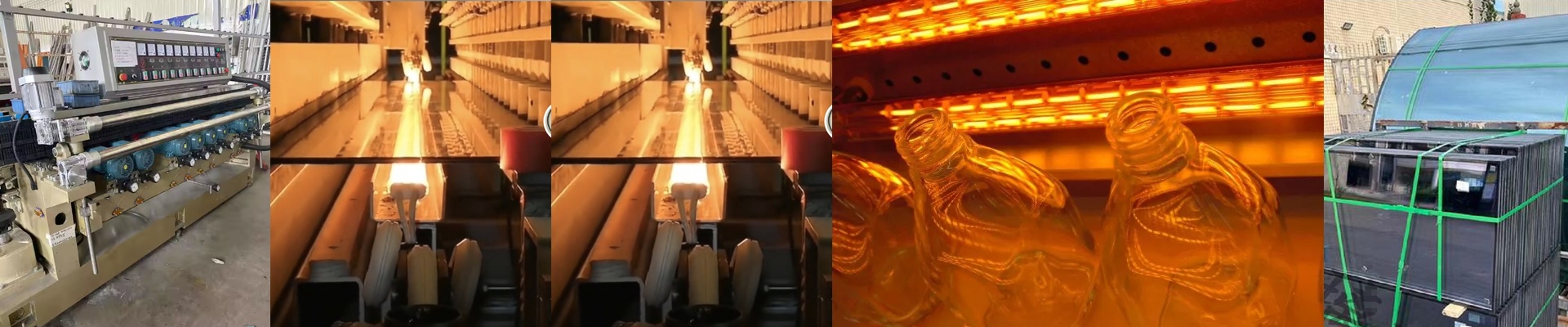
The real win isn’t just the lamp—it’s the thermal solution behind it. We send our engineers to your site to run a glass heat-energy diagnostic. That shows us where heat is escaping, where control is lagging, and how the lamp’s output lines up with your process. You end up with a spec that matches reality: the right voltage, wattage, length, and coating, installed in a layout that actually works. It’s consultative engineering, focused on delivering real, repeatable results—turning a radiator into a complete heating system you can count on, shift after shift.