Stop Letting Your Patio Go to Waste This Winter
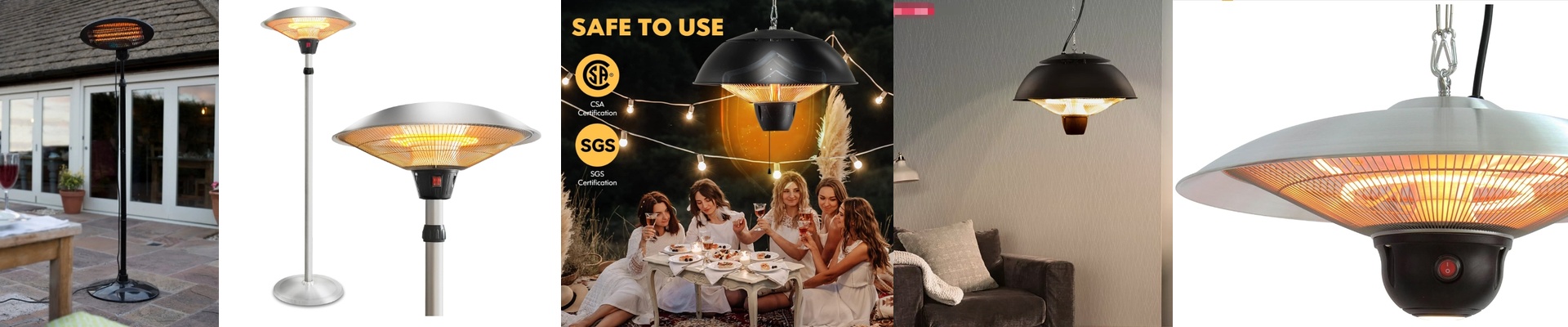
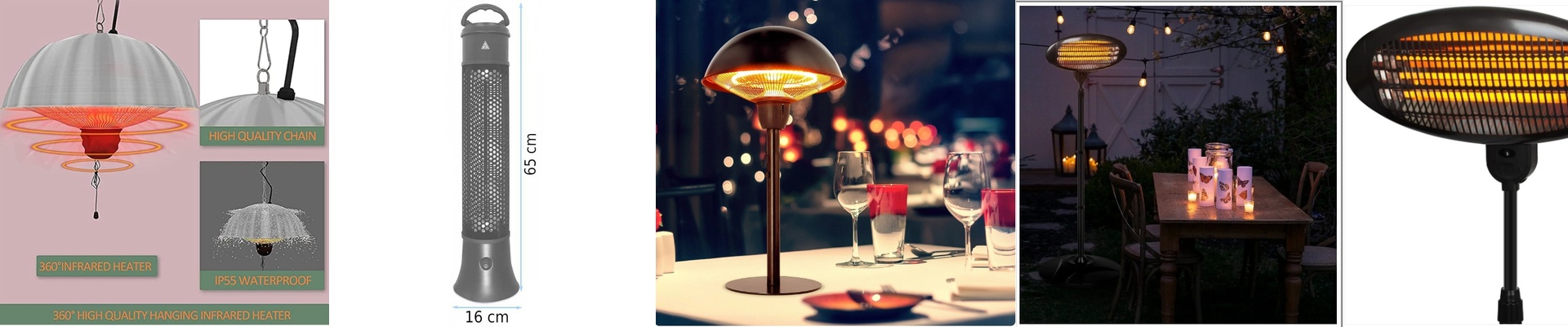
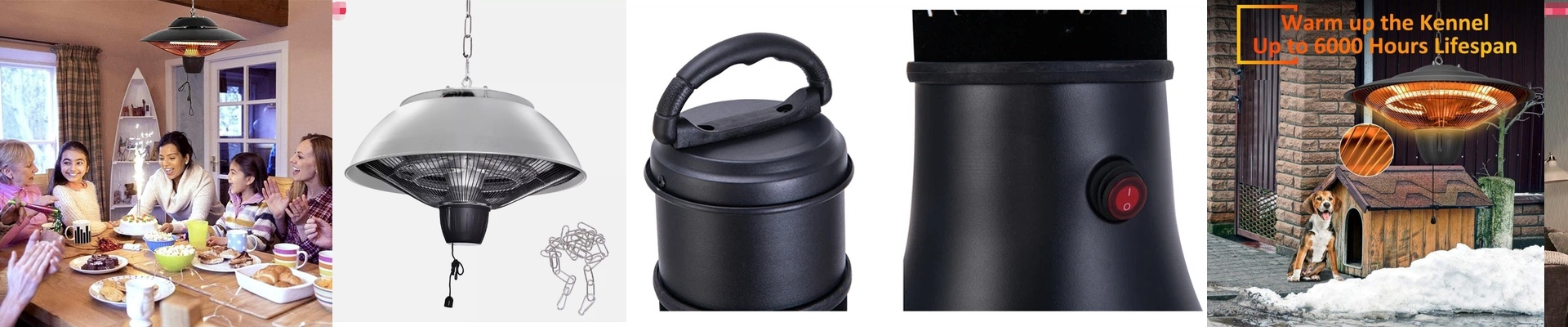
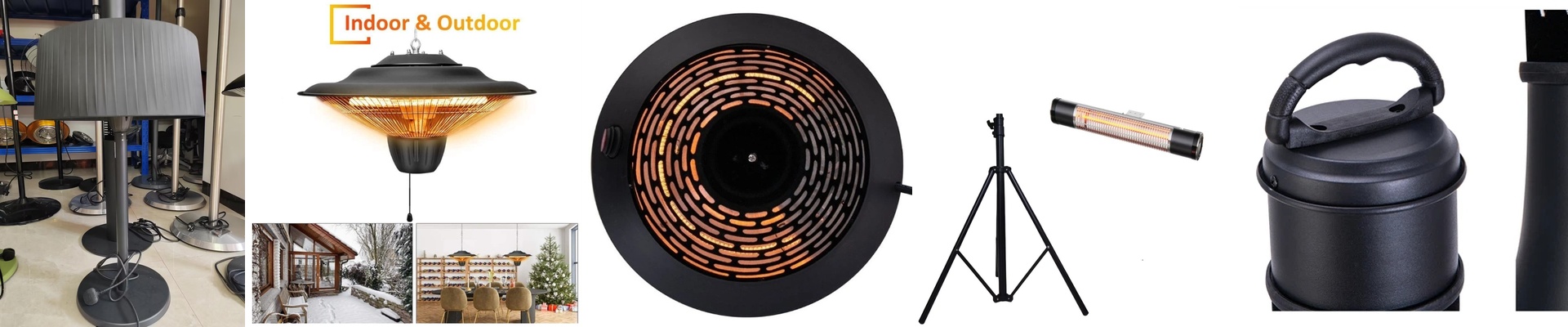
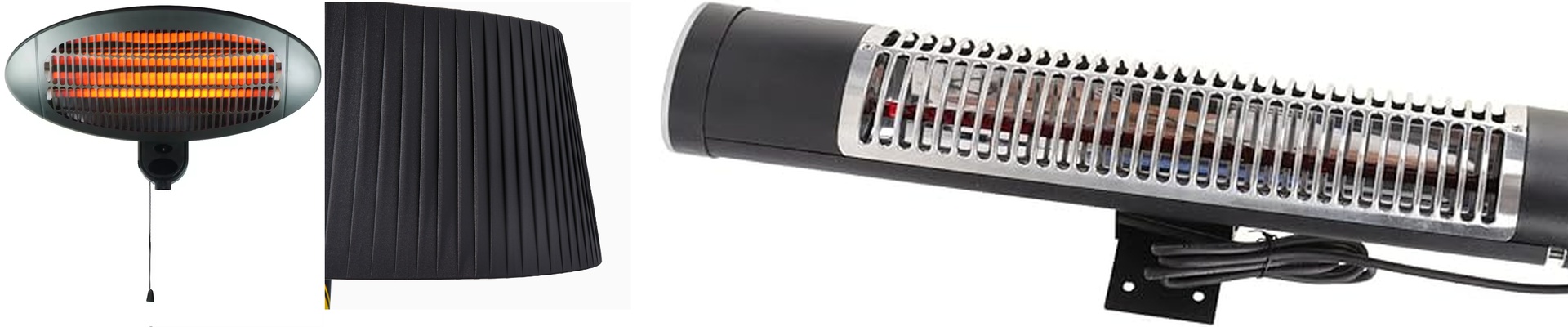
It’s a frustrating sight: a beautiful outdoor dining area sitting completely empty because it’s just too damn cold for anyone to sit there. When guests see a drafty patio, they aren’t going to risk it. That’s literally money flying out the window. We fix this by putting high-output infrared heaters right into the ceiling. Now, here is the trick. Most people think of “heating” as blowing hot air around. But in an open-air space, that’s a waste of money. The wind just carries the heat away. Radiant heat is different. It doesn’t care about the air; it warms the people and the furniture directly. It feels like standing in the sun on a crisp October morning. When your guests are actually comfortable, they don’t rush through their meal to get back inside. They order that extra round of drinks or a dessert they weren’t planning on. You aren’t just buying some hardware—you’re basically adding more square footage to your restaurant without having to build a new wall. The Nitty-Gritty on Setup We usually mount these on the ceiling. It keeps the floor clear so your staff isn’t tripping over cords, and it keeps the heating elements away from curious hands. We use short-wave infrared. Why? Because it’s instant. You flip the switch, and the heat hits the customer immediately. No waiting around for a coil to glow or a fan to kick in. Just a heads-up on the electrics: these things pull a lot of power. You’ll need a dedicated circuit. Definitely check your breaker capacity before you start wiring, or you’ll be staring at a tripped switch in the middle of a Friday night rush. Also, don’t just scatter them randomly. If you leave too much space between units, you get “cold spots.” We usually go with a staggered grid so the warmth is steady across the whole patio. The Part Most People Get Wrong Radiant heat is like a flashlight—it beams down in a specific direction. If a guest shifts their chair two feet to the left, they might suddenly feel the chill again. This is where the balance comes in. If you mount the heaters too high, the heat dissipates before it reaches the table. Too low, and your guests will feel like their heads are being toasted while their toes are freezing. It takes a little bit of tweaking to get the height and wattage just right, but once you nail it, you can stop worrying about the weather and start filling those tables.