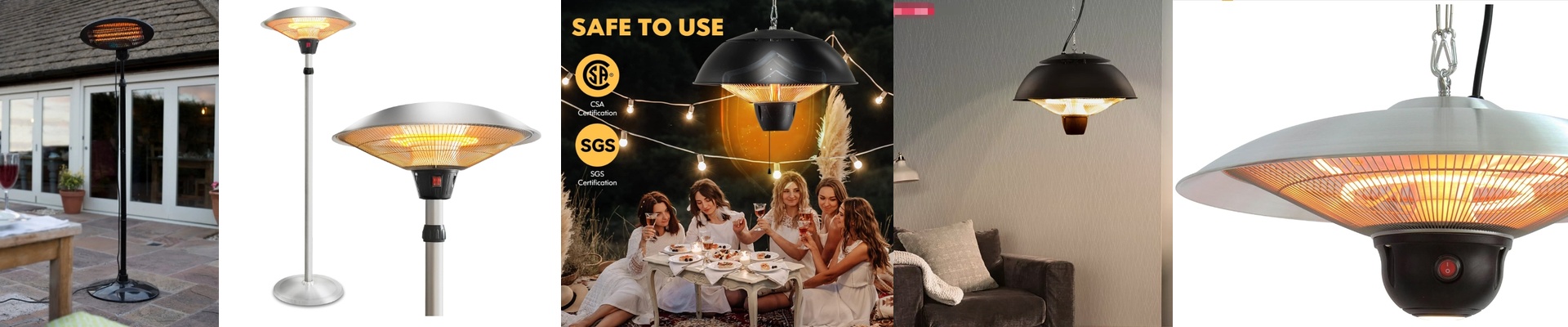

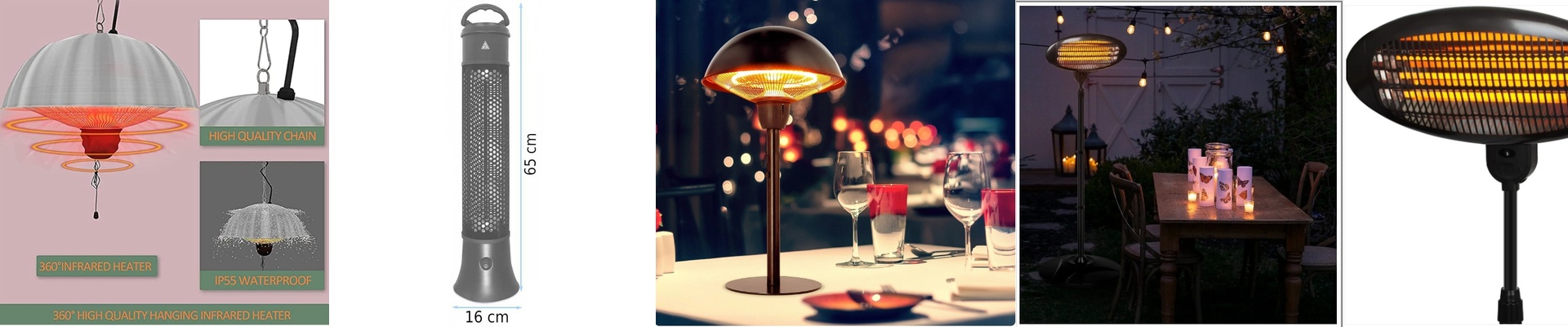
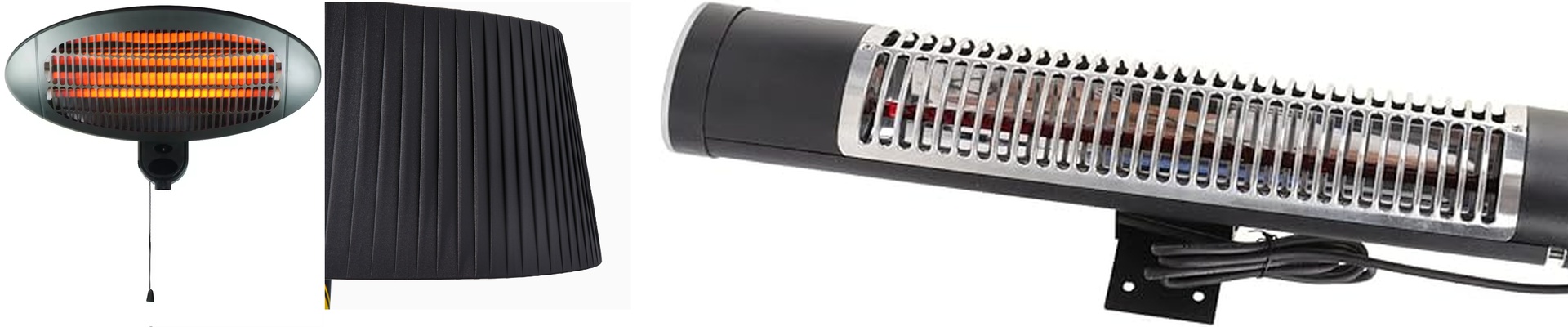
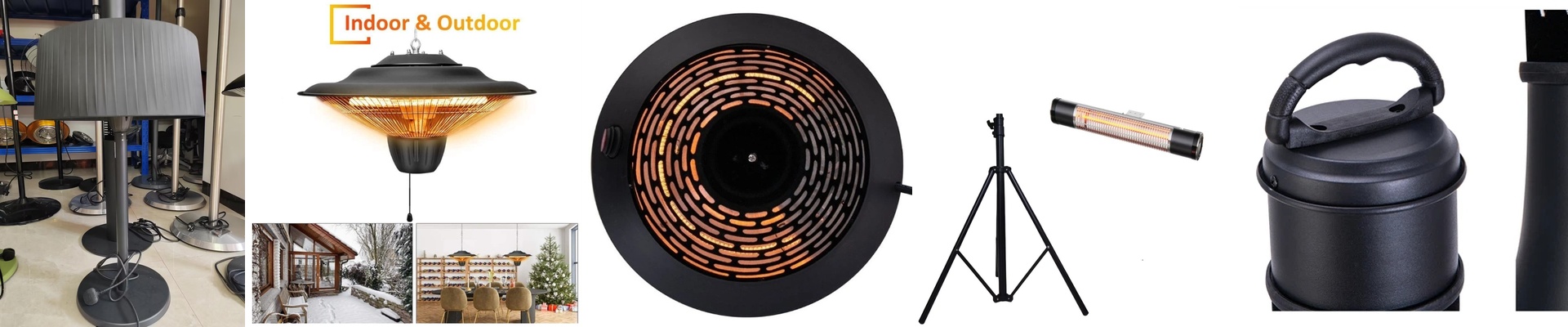

Why we built our 1500W ceiling heaters to be taken apart
Most outdoor heaters are basically disposable. They’re built as sealed boxes, which sounds great until a heating element burns out. Then what? You’re stuck throwing the whole expensive fixture in the trash. We thought that was crazy. So we did things differently.
The “Pop-and-Swap” Logic
Here’s the deal: pushing 1500W of infrared heat puts a lot of stress on the wiring and connectors. It’s a lot of heat, over and over again. Instead of one big chunk of metal, we used a modular chassis. We basically separated the heating element from the main power house. If a tube goes dead, you don’t have to rip the whole thing off your ceiling and spend your Saturday cursing at a manual. You just pop the module out. Simple. We used standard screws and fasteners, too. You don’t need a fancy toolkit—just some basic hand tools you already have in the garage. It turns a headache into a quick fix.
Dealing with the Heat
1500W is the “just right” amount for a gazebo. It keeps you warm without tripping your circuit breaker every time you turn it on. But there’s a catch. When you cram that much power into a small ceiling unit, the metal expands and shrinks constantly. If you use the wrong materials, the housing warps. We picked materials that move at the same rate as the heating element, so everything stays straight. We also kept the tolerances tight. If that tube shifts even a tiny bit, your heat doesn’t hit where it should. We made sure it stays locked in place.
The Five-Year Itch
Usually, around year five, things start to get a bit crusty. Oxidation builds up on the contact points, which makes the heater work harder than it needs to. With a sealed unit, you’re out of luck. But with our design, you can just clean or replace the contact clips without touching the main power lines. It turns a two-hour electrical project into a ten-minute swap. You drop in a new part, and suddenly your heater feels like it just came out of the box again.