
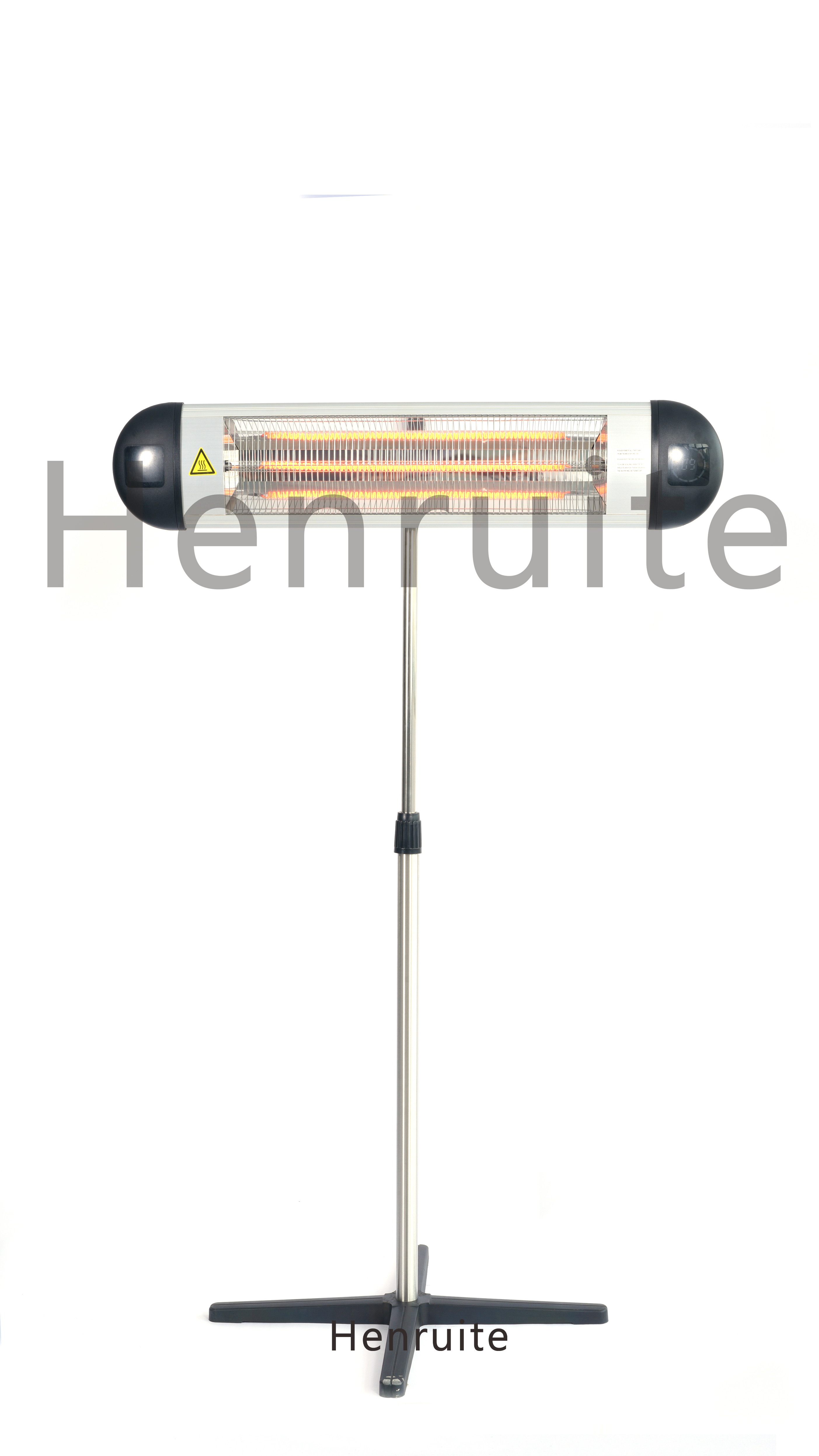
Why Most Infrared Heaters Fail (And How We Fix It)
Ever wonder why so many infrared heaters just… quit? Usually, it’s not the heating element itself. It’s the connection point. The lead wires are basically fighting a war every time the unit hits peak temperature. Most cheap heaters—think of those budget towel rails you see everywhere—just use a glob of silicone to seal the wires. It’s a lazy fix. Oxygen and moisture sneak in, fry the insulation, and boom: you’ve got a short circuit.
The slow burn
Here is what’s actually happening inside. When the sealant gets old, it loses its stretch and starts to crack. Once there’s a gap, the metal leads start to oxidize. That creates a hotspot right at the joint. It’s like a tiny fire that slowly eats through the remaining insulation until the whole thing pops. We do things differently. Instead of just “covering” the wire, we use a multi-stage vacuum seal and ceramic-to-metal bonding. It creates a tight, airtight seal that keeps the inside stable, no matter how hot it gets.
The secret is in the bubbles
Most assembly lines skip a step called degassing. If you leave tiny air bubbles in the sealant, they expand when they get hot. They pop. They leave micro-cracks. It’s a recipe for disaster. We get rid of those voids entirely. We also use high-grade fluorinated polymers and glass-ceramics. These materials can take a beating without getting brittle or snapping.
The honest truth
Look, this way of doing things takes more time. It costs more, too. You aren’t getting a “budget” part here. But you are stopping that annoying cycle of buying a heater only to have it burn out in a year. If you’re putting these in a bathroom or anywhere with high humidity, you can’t afford to cut corners. It’s not just about the heater lasting longer—it’s about making sure your safety certifications actually mean something.