

Keeping Things Warm (and Safe) in Wet Zones: The Lowdown on IP55 Heating
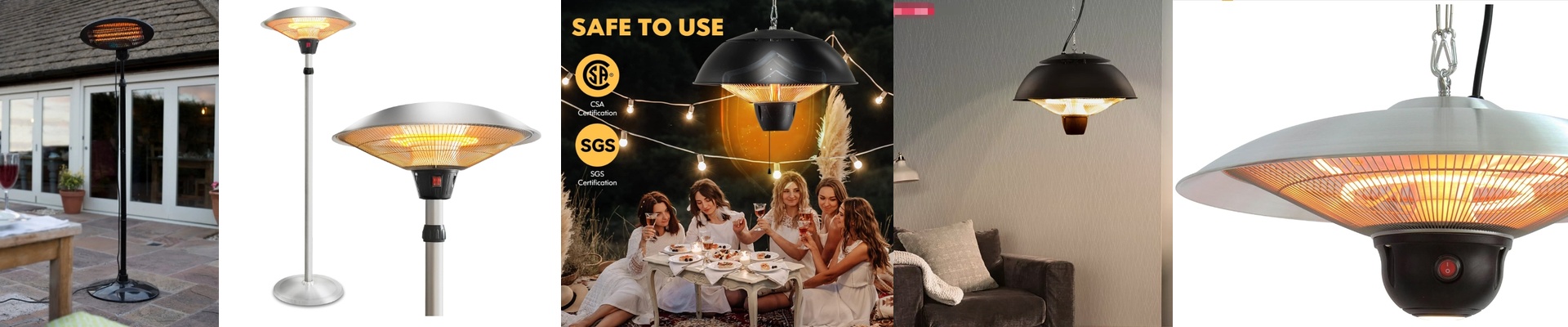
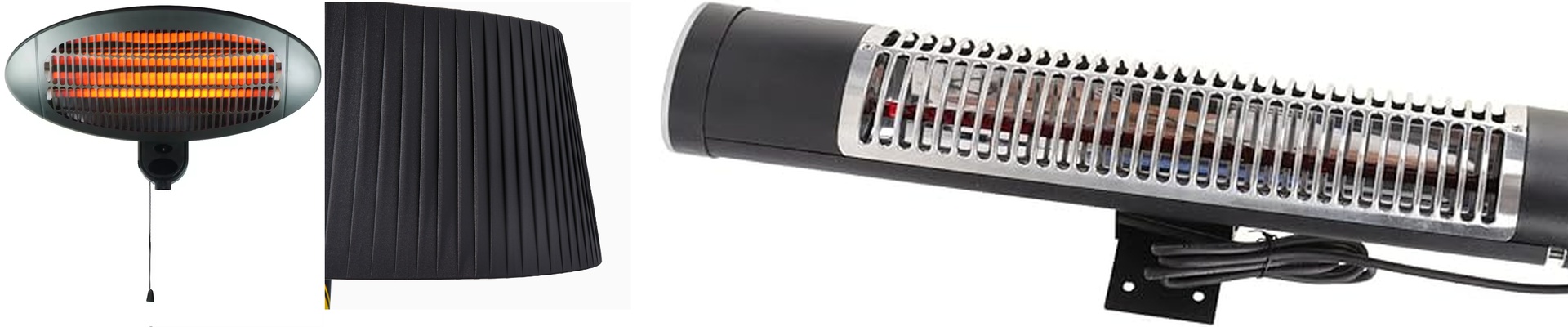
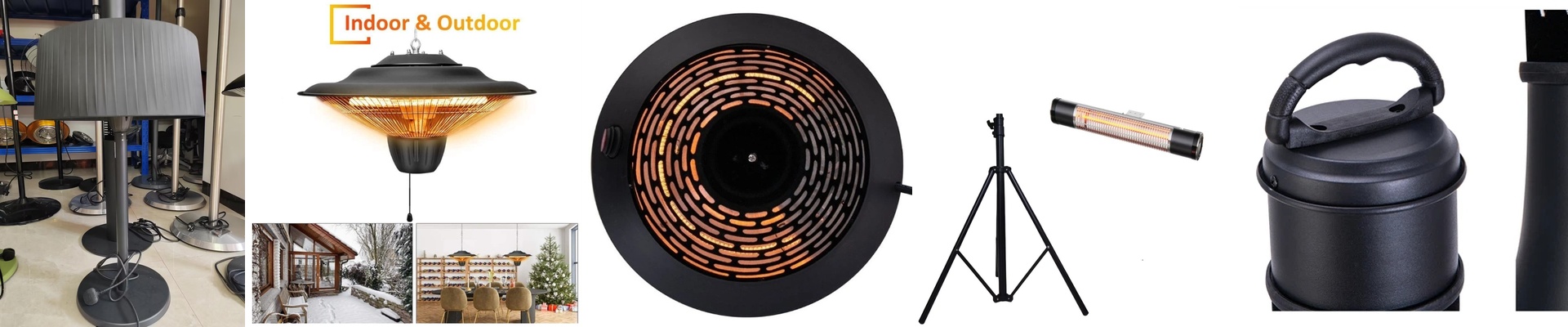
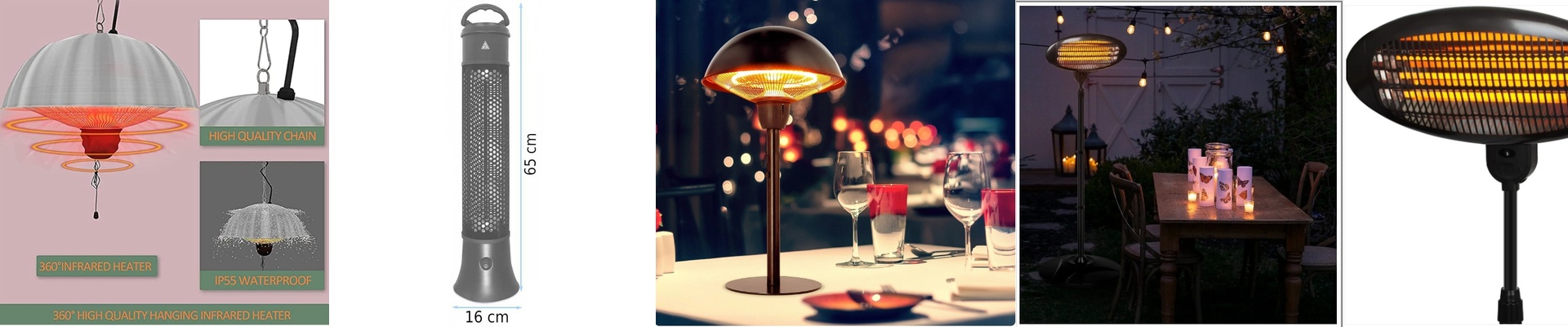
Putting a heater in a bathroom or a steamy room isn’t just about getting rid of the chill. It’s a bit of a balancing act. You’re dealing with water, electricity, and sudden temperature jumps—three things that generally don’t get along. That’s why we build our waterproof table heaters to an IP55 standard. In plain English? It means dust won’t clog up the works, and a few stray splashes of water won’t blow a fuse or short out the whole system.
Why We Use Quartz Glass
Think about this: if a cold drop of water hits a surface that’s 500°C, normal glass just gives up. It cracks. Fast. To stop that from happening, we use high-purity fused quartz. It’s special because it doesn’t freak out when the temperature swings wildly. It just takes the hit and keeps on heating. But it’s more than just being “tough.” It’s about safety. If a tube fails while someone is in the shower, the last thing you want is shards of glass or live wires exposed to the moisture. The quartz acts as a seal, keeping the electricity exactly where it belongs—inside the element and away from the water.
The IP55 Stuff and Heat Management
The IP55 rating is basically a promise that the housing will keep the internal wiring dry. We spend a lot of time obsessing over the seals around the cable entries and the lamp sockets. Why? Because if moisture sneaks into a socket, you get arcing. And arcing is just a fancy way of saying your heater is about to burn out. Here’s the catch, though. To keep the water out, the enclosure has to be tight. That can sometimes trap heat. Just make sure whatever surface you’re mounting it to can handle a bit of warmth, or give the unit some breathing room so the air can move around it.
Getting It Installed
We designed these to be easy. If you’ve got standard infrared lamps, these should slide right in as replacements. We also picked materials that won’t pit or rust when they’re constantly hit with soap and humidity. One quick tip for the best results: wire it up with a dedicated GFCI (Ground Fault Circuit Interrupter). Wet rooms are unpredictable, and having that extra layer of protection for any tiny leakage currents is just a smart move.