
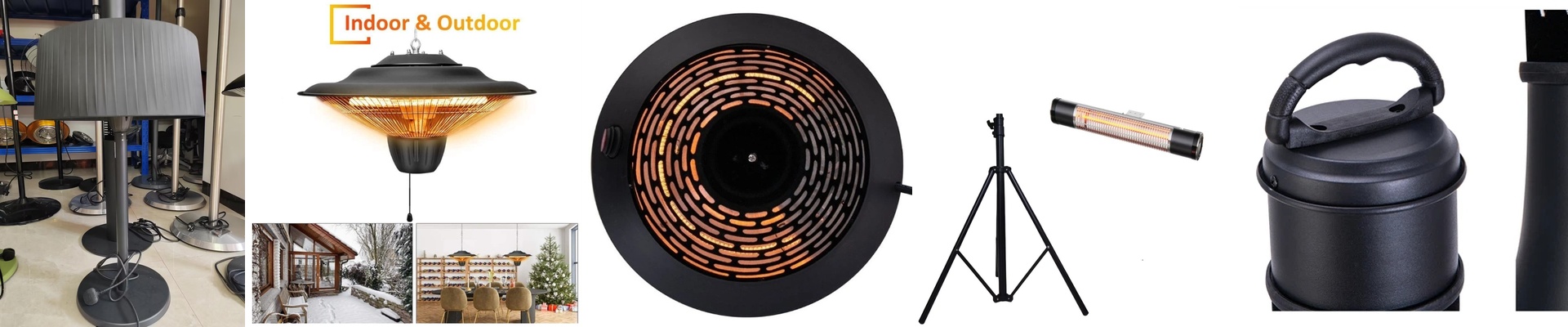
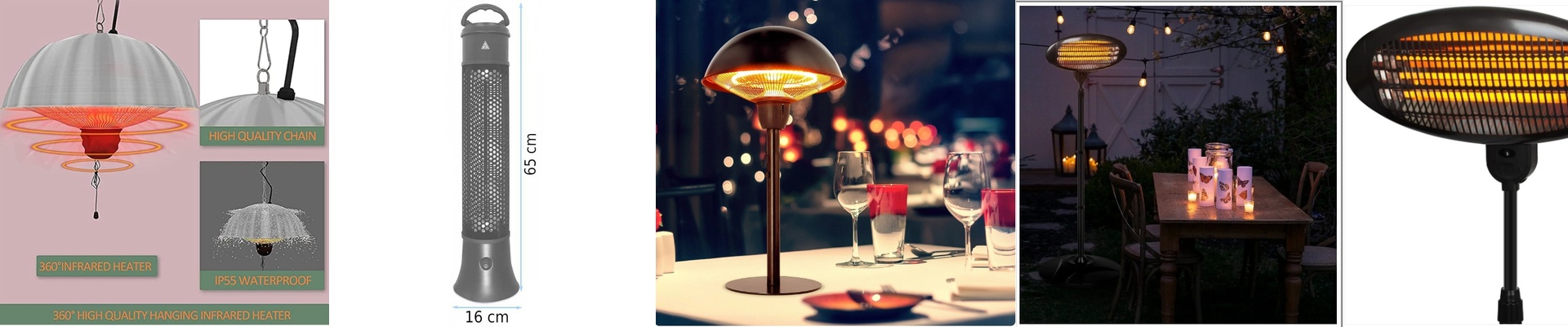
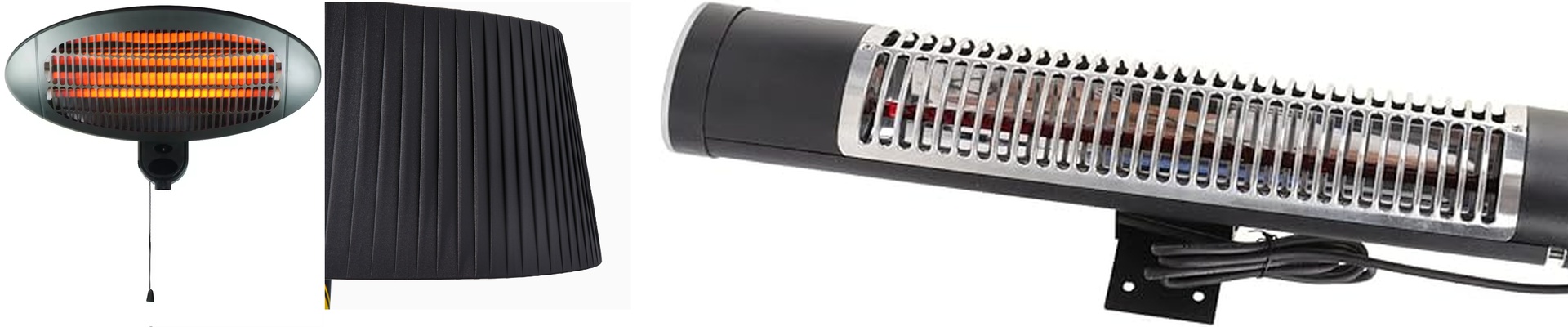
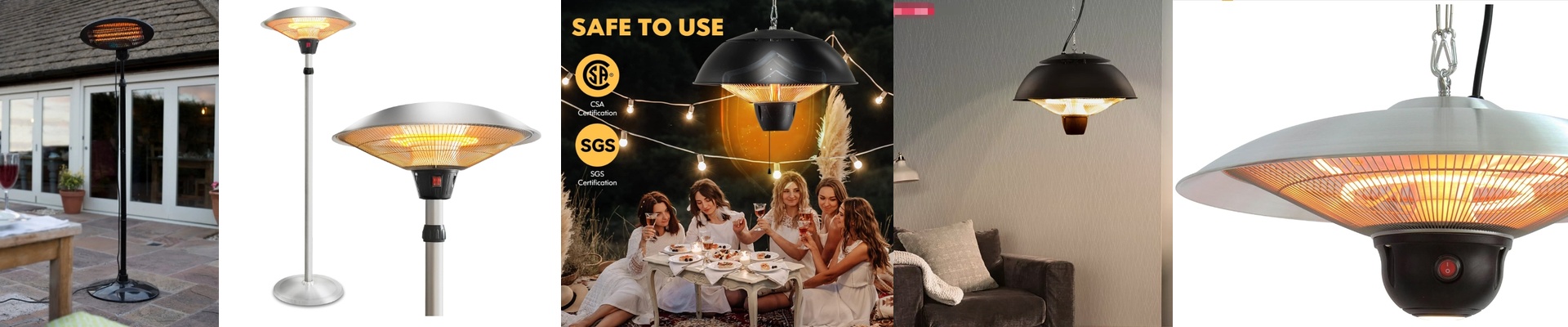
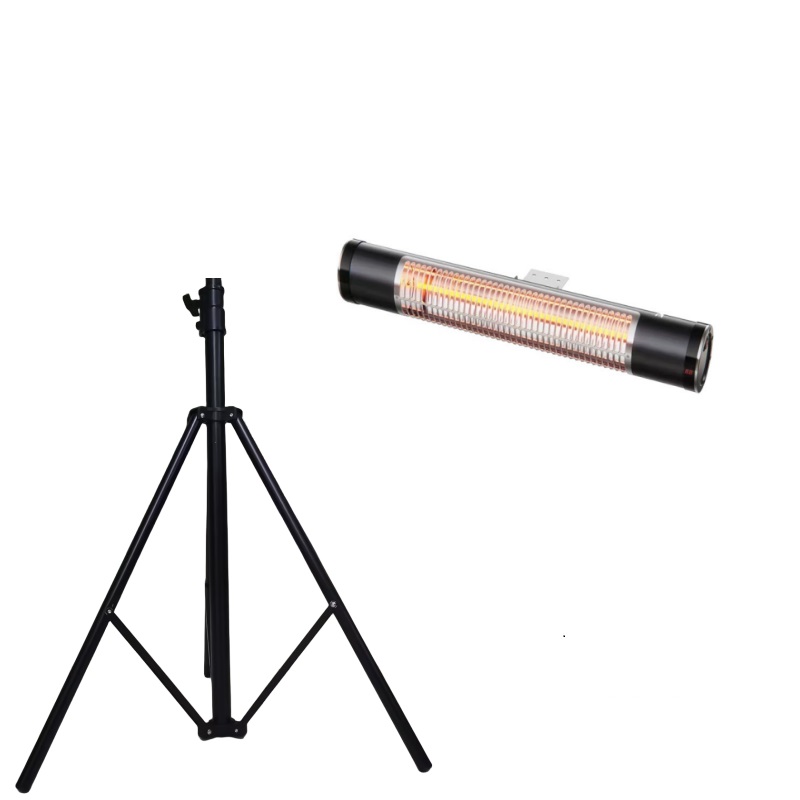
Once the sun drops, the patio goes from gathering spot to ghost town. The air turns sharp, conversation dies, and the night just ends too early. An infrared patio heater keeps the warmth where it should be—on people, not lost up in the empty dark.
What matters under the hood
We build these around radiant heat, which travels in a straight line and warms people and surfaces directly. Inside, you’ve got a carbon fiber element or a quartz tube that heats fast and holds steady, laying down a broad, even pattern of infrared warmth. Pick a 120V plug-in for quick setup, or go with a 240V hardwired unit when you want more output and a permanent install. Outputs typically run from 1,500W to 5,000W, with adjustable settings and a built-in thermostat so you can dial in comfort instead of chasing the cold. For the outdoors, look for an IP rating that keeps rain and dust out, plus safety you can count on—tip-over protection and an overheat cutoff.
Why this works on a patio
Comfort out here isn’t about the heater working harder. It’s about people staying relaxed. Infrared warmth feels natural because it hits bodies and furniture first, so you feel cozy even when the air is chilly. There’s no waiting around—heat shows up the moment the element comes up to temperature, and there’s no blower to kick up dust or talk over. The result is a quieter, cleaner outdoor space where you can host longer, read comfortably, or finish a meal without everyone crowding around a single outlet.
The details that make the difference
Placement is half the job. Mount or position the heater so the infrared pattern lands directly on the seating area, with a clear beam angle that isn’t blocked. Electric infrared heaters need the right circuit, and hardwired units should be installed by a pro to meet local codes. Clearances matter, too—keep the recommended distance from combustibles and follow the manual for safe operation. Do that, and you get dependable warmth that turns more evenings into the kind you actually want to repeat.