
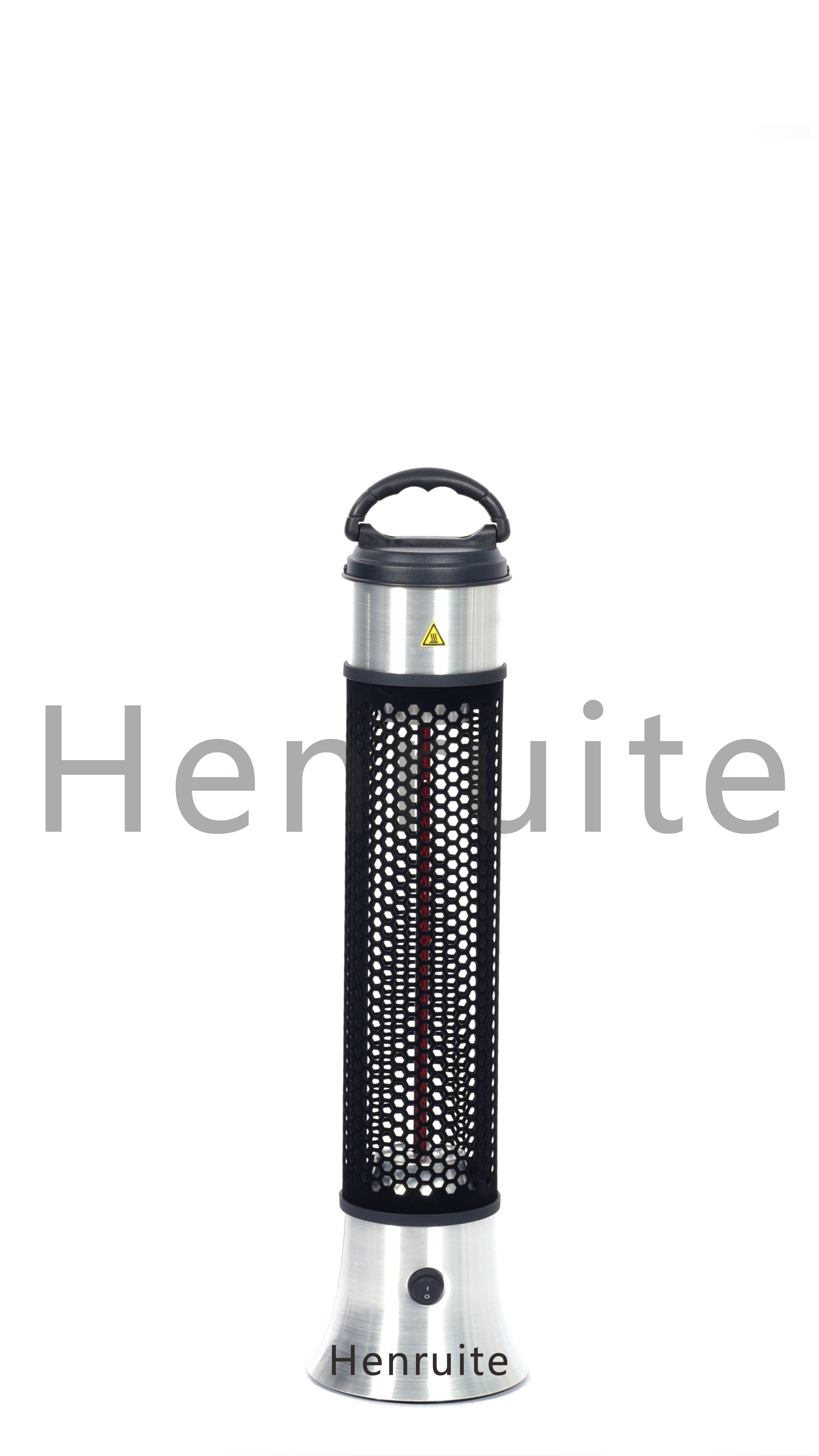
Stop Throwing Away Your Heaters
Most IP65 heaters are built like vaults. They’re sealed tight to keep out the dust and moisture, which is great—until something actually breaks. Usually, when a heating element dies after a few years of hard work, you’re stuck. You either have to tear the whole chassis apart or just toss the entire unit in the scrap heap and buy a new one. It’s a total pain. We figured there had to be a better way, so we went modular.
Swapping parts shouldn’t be a project
We designed our infrared modules to be simple “drop-in” replacements. Instead of burying the elements deep inside the housing with permanent wiring, we used slide-out trays and quick-connect terminals. If a tube pops, you don’t have to mess around with the control panel or rewire the whole system. You just pull the dead module out, slide a new one in, lock it down, and you’re back in business. It turns a grueling afternoon of repairs into a two-minute job.
The trick to keeping it waterproof
The hard part was keeping that IP65 seal while making the unit easy to open. You can’t just leave a door open if you want to keep water out. Our fix? Compression-fit silicone seals. They act like a heavy-duty gasket at the module interface. Since we aren’t using permanent rivets or messy glues, you can swap a tube without worrying that you’ve ruined the seal for the rest of the machine. It just works.
The honest trade-offs
Now, look—nothing is perfect. Because we added these connection points, there’s a bit more to keep an eye on than you’d find in a one-piece cast unit. You have to be careful with your torque specs on the terminals. If they’re loose, you get hotspots. To handle that, we added high-temp ceramic insulators to stop any arcing. Also, if you’re planning your layout, keep in mind that these units are a little bulkier than the non-modular ones. But honestly? A few extra inches of space is a small price to pay for not having to scrap a perfectly good heater just because one quartz tube gave up.