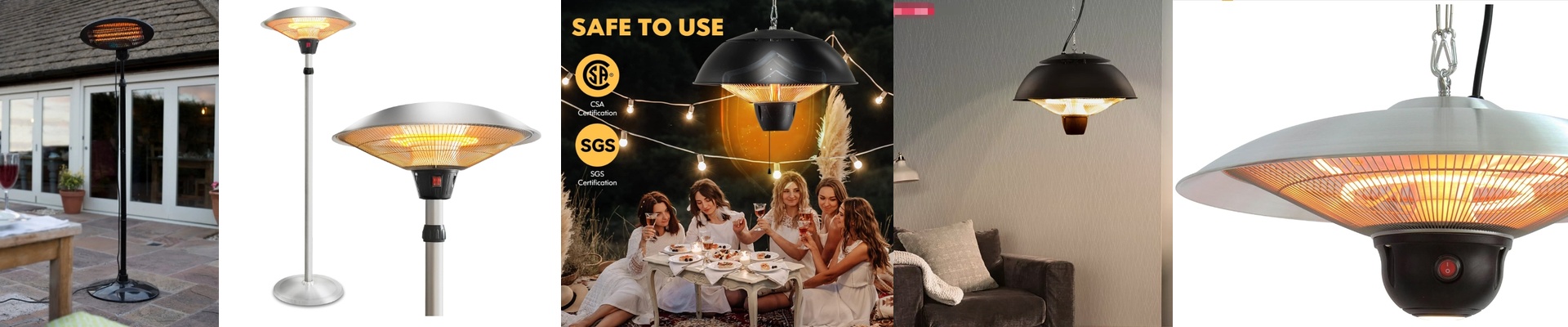
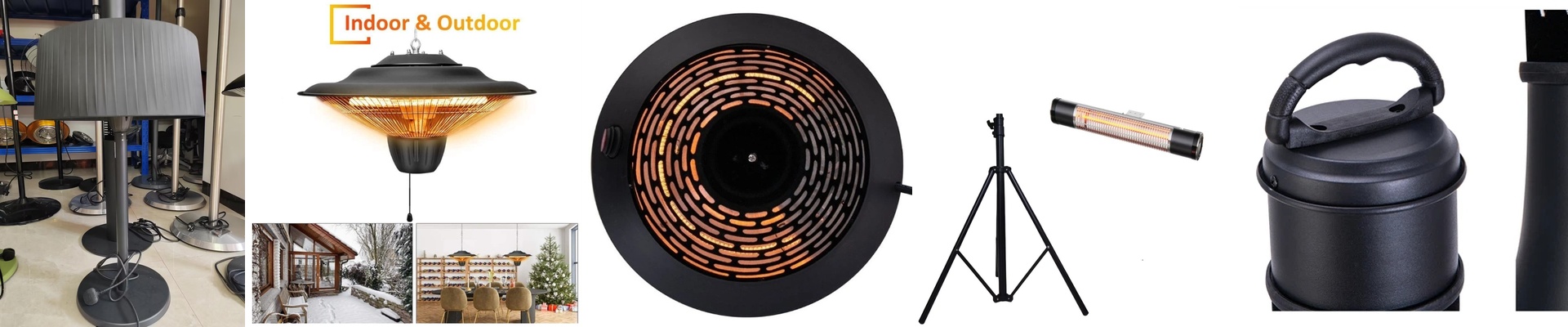
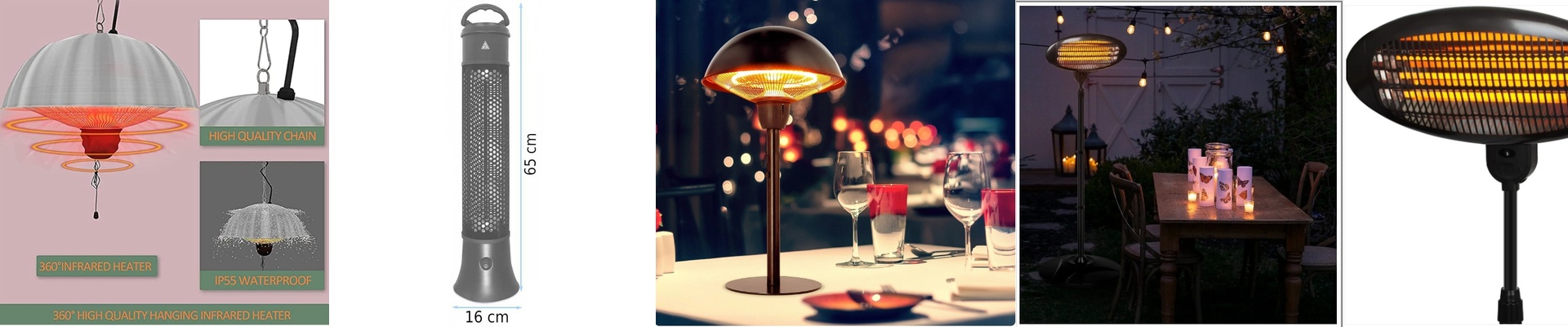
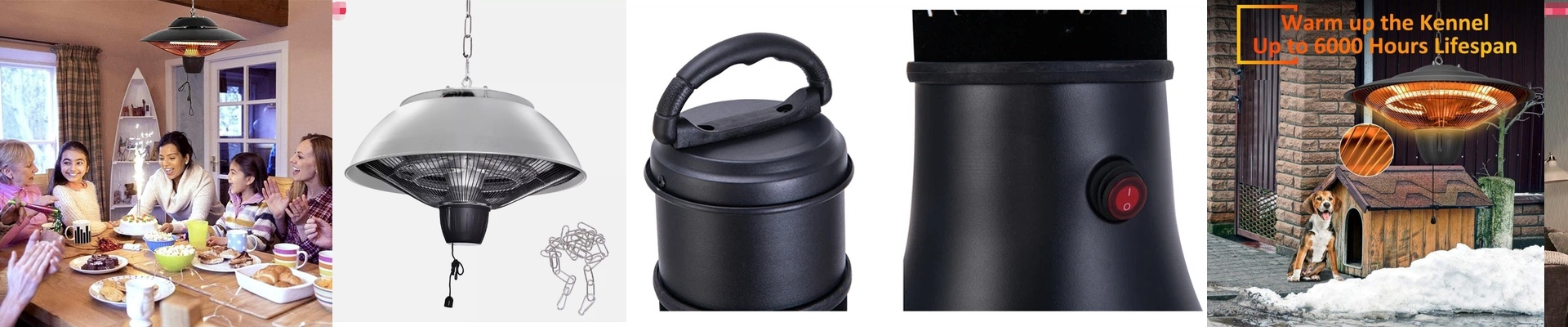
Technical Deep-Dive: Power, Voltage, and Footprint
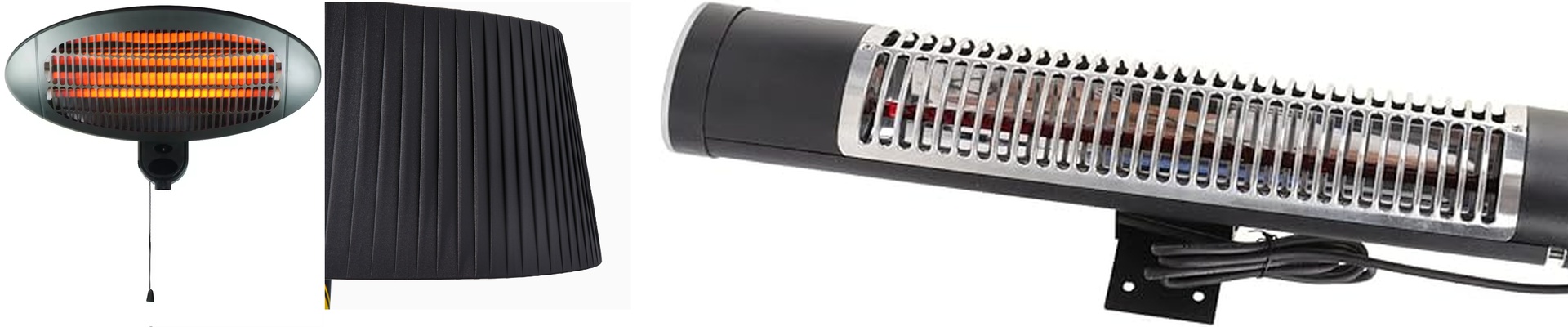
We build wall-mount heaters for pub gardens, and the whole point is simple: give people targeted warmth without tripping over the heater. So how do we do it? We match the power to the space. For smaller areas, a lower-wattage unit keeps the electrical draw light and makes the wiring run way easier. For bigger patios, we step up the wattage so the heat actually reaches the whole volume. Then there’s voltage. It’s a give-and-take between what your site can support and the performance you want. 400V is the standard for industrial-grade heating because it spreads the load across phases. That helps prevent voltage drop over long cable runs, so you can reach outdoor outlets without losing much power. But—here’s the catch—400V needs a three-phase supply. Before you plan anything, check that your electrical panel can handle it.
Material & Design: Halogen, Quartz, and Connectors
The heating element is a shortwave infrared halogen lamp, tucked inside a quartz tube. Quartz is tough. It handles the shock of turning on and off quickly, and it stays efficient even when things heat up fast. Inside the tube, halogen gas protects the filament from oxidizing. That means the lamp lasts longer, and the output stays steady. And the connector? The R7s. It’s a double-ended linear fit that holds the tube securely while keeping the electrical connection solid. Replacing a tube is quick: slide the old one out, slide the new one in. It also keeps the footprint tight, so the heater sits neatly against the wall.
Application & Benefits: Sizing for the Space
The real work is matching the heater to the square footage of the pub garden. A 2500W unit typically covers a mid-sized patio. If you’ve got a smaller seating nook, a lower-output model does the job. Infrared doesn’t waste time heating the air. It warms objects and people directly, which matters when you’re outdoors and the wind keeps trying to steal your heat. That direct approach gives you control over energy use, too. Choose the right wattage, and you avoid over-sizing the system and throwing money away. Wall mounting keeps walkways clear, and the focused heat means customers feel the warmth as soon as they sit down. Just keep one thing in mind: it’s line-of-sight. Aim the heater right, or you’ll get shadows. Anything in the beam will create cool spots.
Reality Check: Balance Heat Density and Cooling
High power density means fast heat-up, but it also means the fixture gets concentrated heat. So the housing has to be rated for the wattage, and the mounting surface has to handle the thermal load. The wiring and electrical components nearby need to be rated for the temperature rise, too. If you’re pushing the wattage toward the top end, make sure the unit has enough cooling and ventilation—otherwise, parts can age too soon. In practice, it comes down to two basics: pick the right tube for the square footage, and make sure the site’s electrical setup can support the voltage you choose. Do that, and you get a reliable, direct-heat solution that keeps the pub garden usable, even on cold nights.