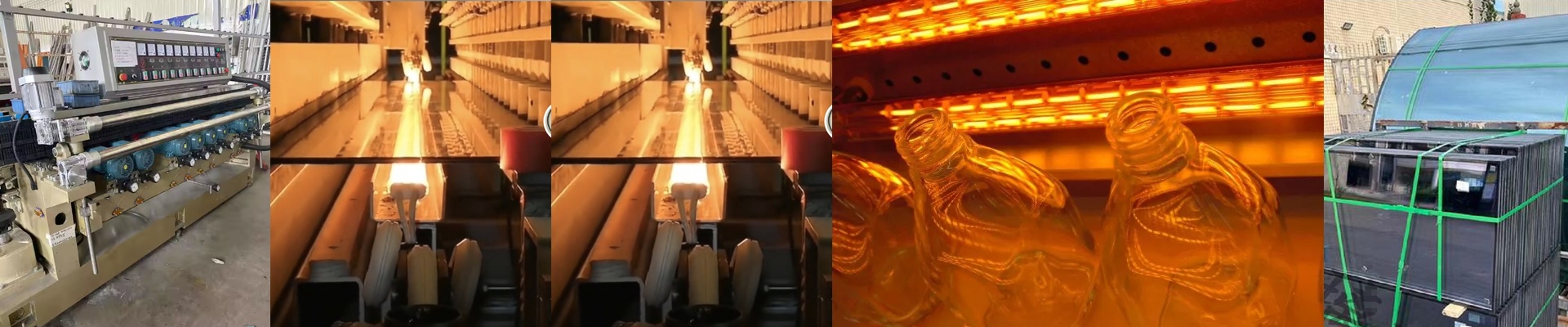
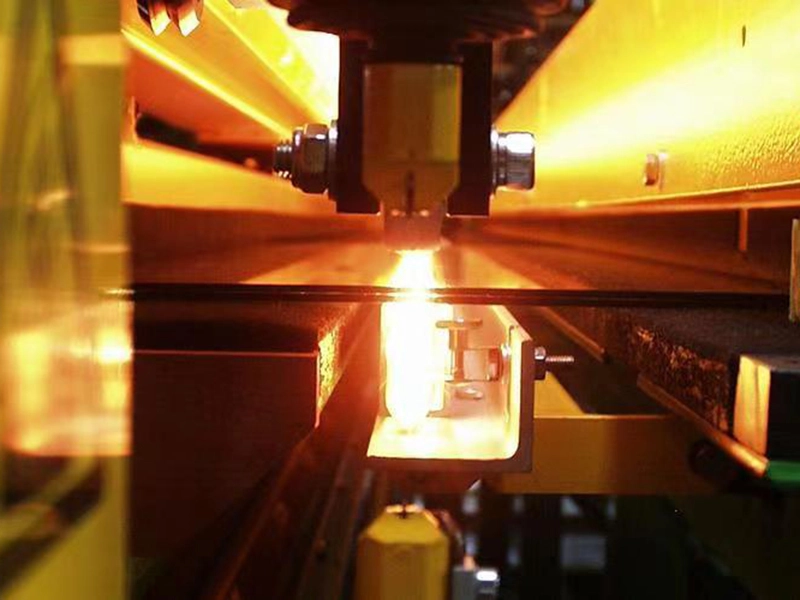
Cutting cold glass is basically a gamble. The moment that diamond blade or wheel touches the surface, all that internal stress just wants to explode. You end up with “chipping”—those annoying, irregular chunks that break off instead of a clean line. It’s messy, and it’s a headache. The fix? We hit the glass with short-wave infrared (IR) heaters right before it reaches the cutter. Here is how it actually works. The IR lamps dive into the glass and get those molecules moving, heating up the cutting zone in a flash. This makes the glass less brittle. Instead of the material snapping violently and unpredictably, it just… lets go. The glass separates right along the score line, exactly where you want it to. But you can’t just throw a heater at it. Since bottle lines move so fast, you don’t have time to wait for the air to warm up. We use high-wattage quartz IR tubes because they hit the target instantly. The tricky part is the distance. You have to get the spacing just right. Too close, and you’ll trigger thermal shock. Too far, and you’re right back to square one with all those chips. And look, there are some trade-offs. Blasting high-density heat puts a real strain on your power grid and makes the whole area hot. You’ll need decent cooling fans and shielding, or you’ll fry your electronics. I’ve seen lamps positioned too close that actually warped the plastic guides on the machine. Not ideal. Still, once you get the wiring and the positioning dialed in, the difference is night and day. It turns a chaotic process into something precise. Your edges come out clean, which means you spend way less time grinding and polishing before the bottles hit the annealing furnace. It just makes the whole day run smoother.