
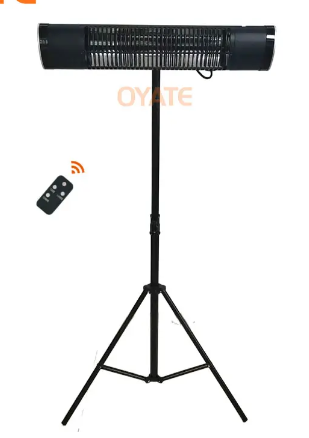
Why You Should Swap Your Bathroom Lamp Heater for IP65 Infrared
Let’s be honest: those old-school lamp heaters in bathrooms are kind of a joke. They look okay for a while, but then the steam gets into the housing, something shorts out, or the filaments just give up. It’s a cycle of burning through bulbs and wondering why your heater keeps dying. That’s why we’re seeing everyone move toward IP65-rated infrared heaters. What’s the deal with “IP65” anyway? Basically, it means the thing is built like a tank. It’s dust-tight and can handle water splashing at it from any angle. In a bathroom, you’ve got thick steam and occasional splashes. We use heavy-duty gaskets and moisture-resistant polymers to seal up the electrical bits. This keeps the water away from the live terminals. The result? You can actually take a hot shower without worrying that your heater is going to trip the breaker. The magic of Infrared Most heaters try to warm up the air. But if you’ve got a drafty bathroom or a window that doesn’t seal right, that heat just floats away. Infrared is different. Instead of fighting the air, it sends out waves that heat you—and the walls—directly. You feel it the second you flip the switch. No more standing around shivering while you wait for the room to warm up. We use quartz glass tubes for this, which are great because they can handle being turned on and off rapidly without cracking. A few things to keep in mind You can’t just plug these into any old outlet; you’ll need a dedicated circuit. And because these units are sealed so tight to keep water out, they hold onto a lot of heat internally. Just make sure whatever you’re mounting it to can take the temperature. If you put it too close to some cheap plastic trim, you might end up warping your walls. If you’re doing a high-end renovation and you’re tired of replacing burnt-out bulbs every couple of years, this is the way to go. Yeah, you’ll pay a bit more upfront for the sealed housing, but it’s a “set it and forget it” kind of upgrade. It just works.