
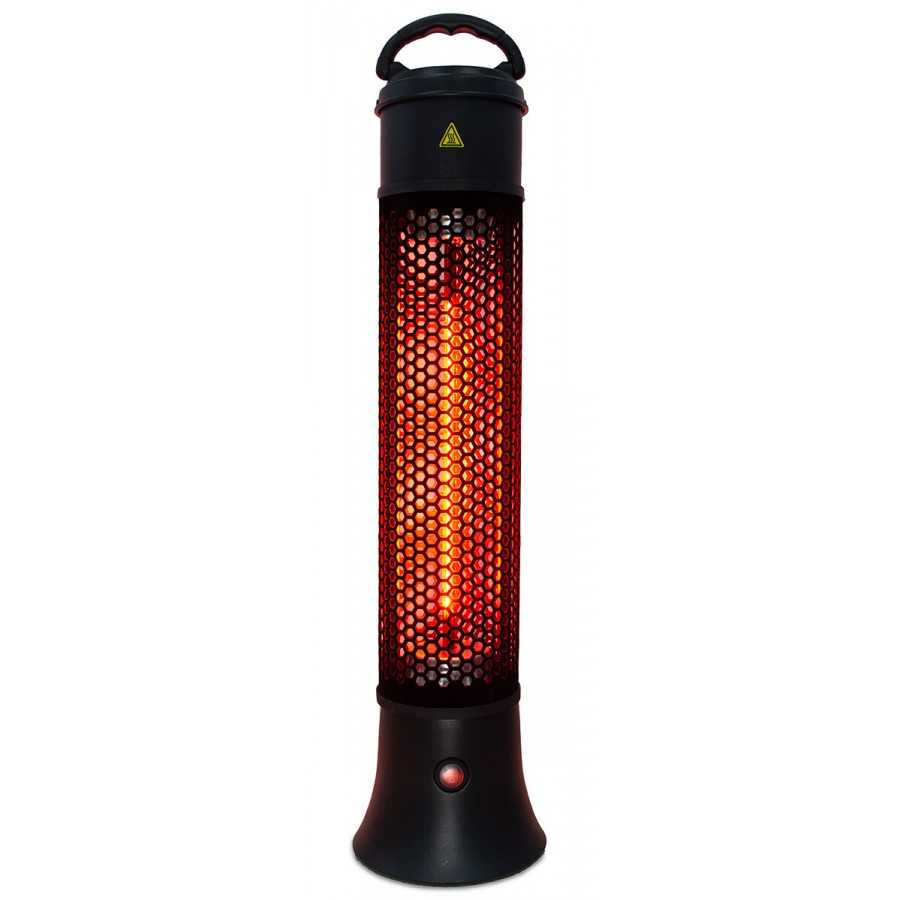
Why Most IP65 Infrared Heaters Actually Fail
Here is the truth about IP65 ratings: they aren’t a magic shield. You can have a housing that keeps rain out perfectly, but the heater still dies. Why? Because the real battle is happening right where the lead wires enter the heating element. In high-wattage IR systems, that little junction gets hammered. It’s constantly expanding when it gets hot and shrinking when it cools. It’s a brutal cycle.
The “Death Spiral” of Cheap Seals
If you buy a budget heater, you’re likely getting basic rubber grommets or a quick splash of silicone potting. That works for a while. But under sustained heat, those materials just give up. They get brittle. They crack. Once those tiny cracks appear, moisture sneaks in. Suddenly, you’ve got a phase-to-ground short or an arc-over. It’s not that the box leaked; it’s that the material itself failed.
How We Actually Fix It
We stopped relying on a single pour of sealant. Instead, we use a graded transition. We pair high-TG epoxy with specialized fluorosilicate gaskets. It sounds technical, but the result is simple: it handles the heat without breaking the seal. It also stops the “breathing” effect. You know how a heater cools down, sucks in damp air, and then heats back up? That’s exactly what kills most insulation. Our approach shuts that door.
The Balancing Act
Now, you might think, “Just add more glue.” Trust me, don’t. If you over-pot the wires, you create a rigid stress point. When your industrial fans or machinery start vibrating, those stiff wires act like levers and snap the copper filaments right at the solder joint. We spent a lot of time dialing in the hardness. It needs to be tight enough to keep the water out, but flexible enough to move with the machine. One last tip: check your wiring harness. If you’re packing these into a tight space, use PTFE or fiberglass sleeves. There’s nothing worse than having a perfect seal at the lamp only to have the external wires melt and trip your breakers.