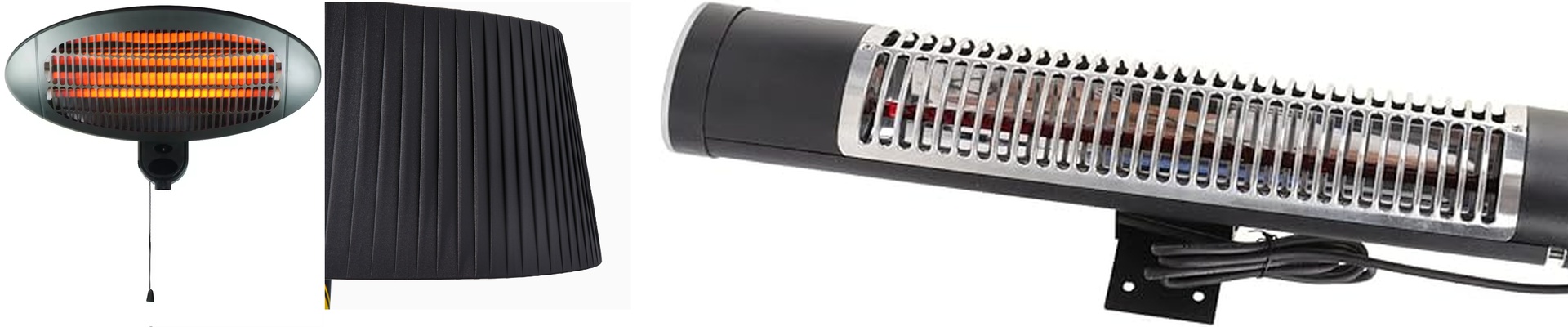



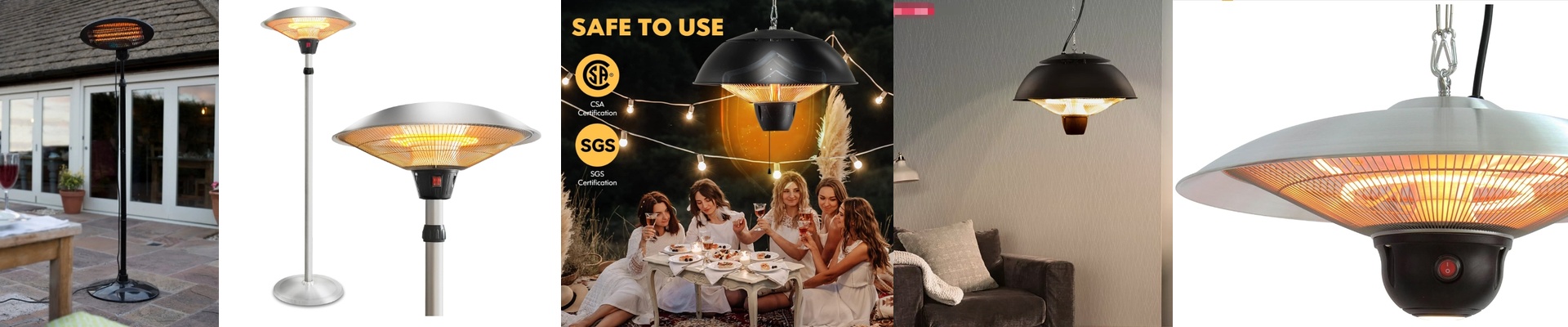
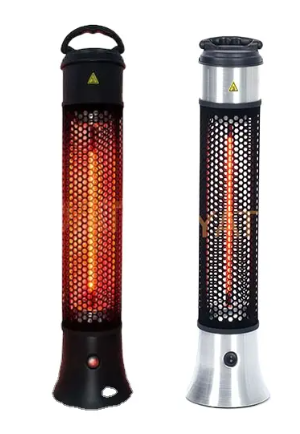
In a yoga studio or gym, the room has to feel right the minute class starts—warm, yes, but also welcoming. People step onto their mats expecting an environment that supports deep movement and an honest sweat. If the heat falters, the flow breaks, engagement drops, and the whole session loses its rhythm. We built our infrared heaters to keep that rhythm intact, delivering radiant warmth that holds up through hot yoga sequences and post-workout recovery without turning the air into a desert. Here’s what matters under the hood. Infrared warmth works the way sunlight warms your skin—energy travels straight from the element to people and surfaces. We lean on carbon fiber elements for broad, even radiation and a fast heat-up, then pair them with quartz tubes that hold output steady over long classes. Most units run on 120V or 240V, so they plug into standard outlets or tie into dedicated circuits, and a built-in thermostat keeps the temperature consistent. Safety is practical: tip-over protection, overheat cutoff, and a sealed housing that can handle humidity. Why this works so well in studios and gyms comes down to how the heat feels. Hot yoga needs stable warmth that encourages circulation and helps muscles relax into each pose. Infrared heat warms bodies first, so clients hit a good sweat sooner—no waiting around for the room air to catch up. In a gym setting, that same radiant heat supports warm-ups and cool-downs, helping people move comfortably and recover more smoothly. You can package this as a premium offering—thermal-enhanced sessions—without the noise of forced air or the shock of higher energy costs. The space stays clean and quiet, and people feel supported from the first breath to the last. Now, the practical details that keep it working day after day. Infrared heaters perform best when placed to directly warm the mat area, usually mounted overhead or on walls with proper clearance. They’re spot heaters by nature, so plan the layout to cover the main practice zones and keep coverage even. Because they emit light, think about line of sight during poses. Most units are rated for dry or damp locations, but keep controls out of direct water spray, and confirm local electrical codes for circuit loads and GFCI requirements.