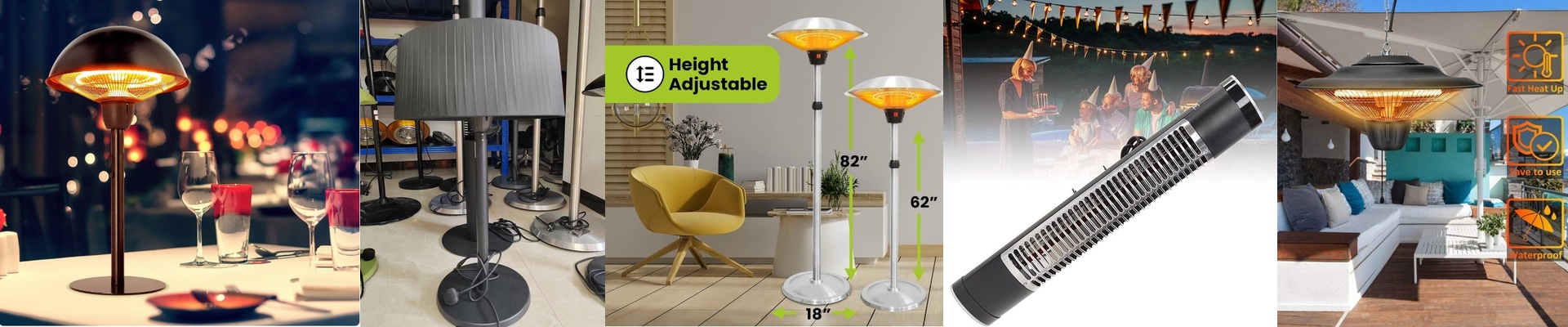
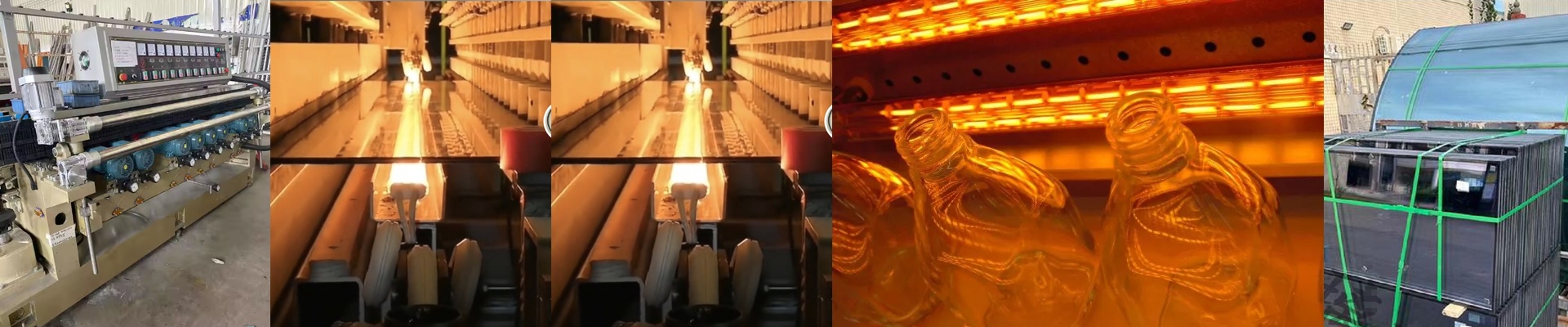
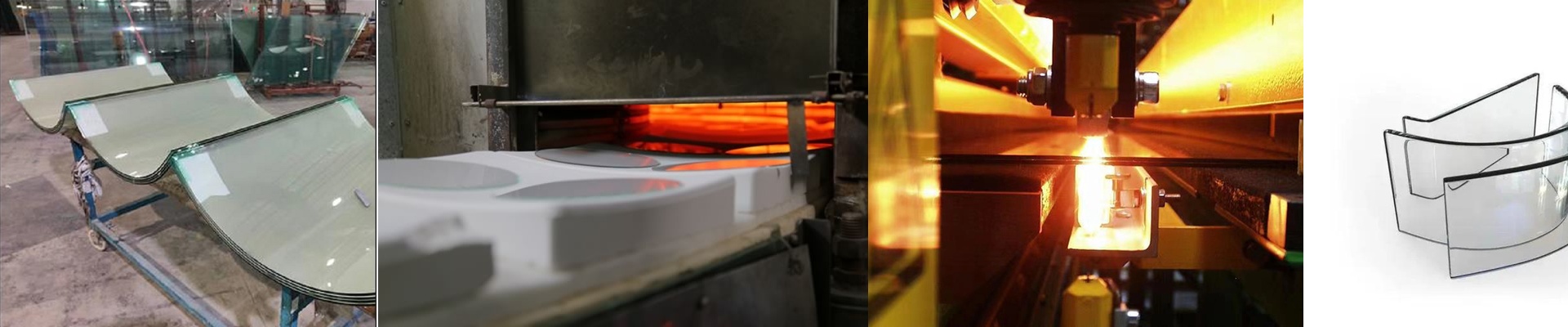
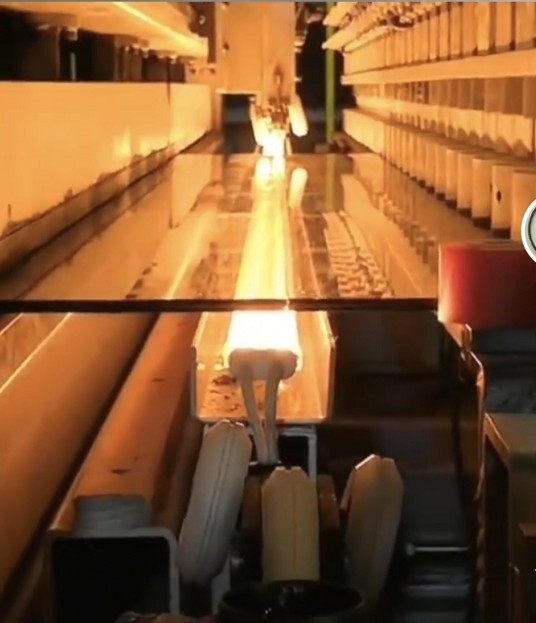
Out on the line, quench is only as good as the control behind it. When the cooling profile drifts, you get warp, optical distortion, and thermal stress fractures—scrap that lands straight on the bottom line. We built the glassware cooling control heater to hold the thermal envelope during annealing and tempering, so every sheet comes out with consistent curvature and surface compression. What matters under the hood The unit leans on short-wave infrared quartz emitters for rapid, directional heat with low thermal inertia, and it runs closed-loop PID control on 240–480 V supplies. Power density stays even across the zone, which keeps hot spots from forming and prevents the glass from locking stress during controlled cooling. The heater body is rated for continuous duty in high-humidity wash-down areas, and the mounting footprint matches standard OEM cutouts, so it drops straight into tempering furnaces and bending lehrs. Setpoint tracking holds within ±2 °C, even when ambient conditions swing or line speed changes. In tempering, you need stable cooling to hit target surface compression and clean edge quality. In bending, you need predictable sag and set so you keep the optical clarity the customer paid for. In lamination and coating drying, the heat has to be even and gentle enough to drive solvents off without blisters or haze. This heater delivers that consistency, cuts cycle time by trimming recovery lag, and knocks down scrap from thermal shock. You also save energy because the emitters heat the zone itself, not the surrounding air, and the control loop keeps overshoot from happening. Installation is straightforward, but alignment to the glass path and the emissivity of the load matter. Reflective fixtures and low-emissivity glass can throw readings off, so calibrate the sensor offset once for your product mix. Plan for clean power—voltage sags lead to current spikes that shorten emitter life. Under steady conditions, you can count on 4,000–6,000 hours of stable output, and it pays to keep spare mounting brackets on hand for quick swap-outs during scheduled maintenance.