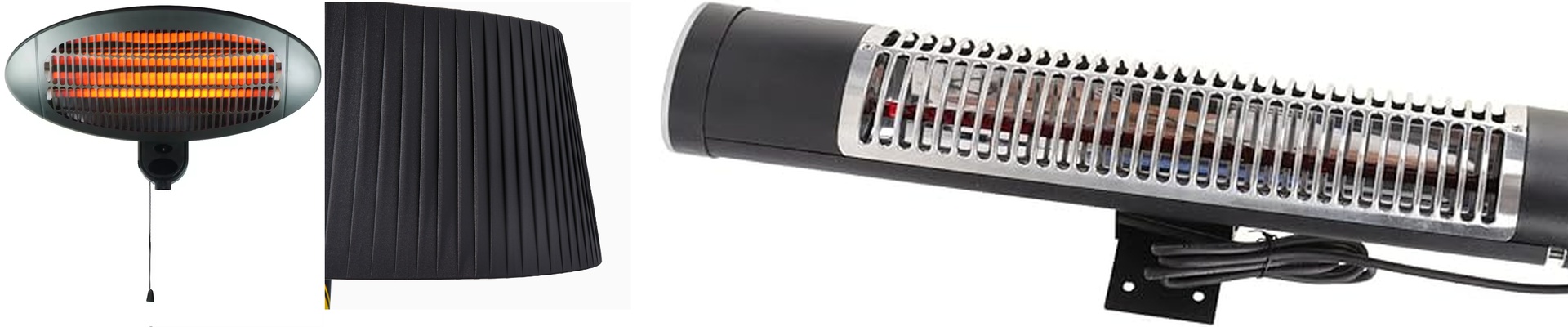
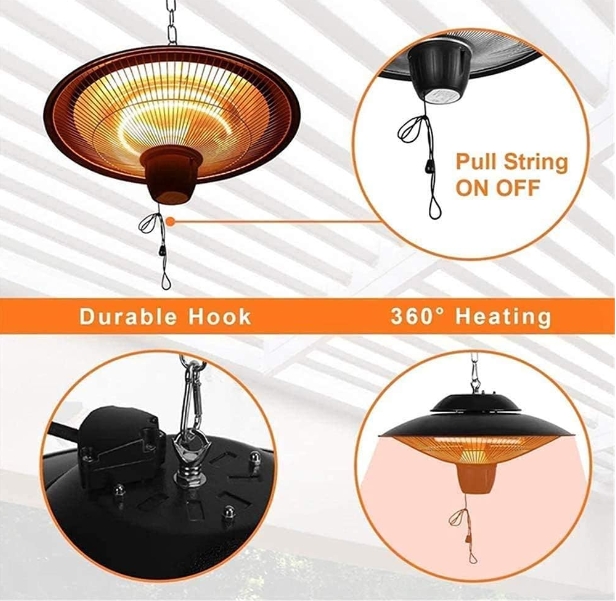
Keeping Your Bathroom and Outdoor Heaters Safe (Without the Technical Headache)
Putting infrared heaters in a bathroom or out on a patio is basically like inviting a fight with moisture. Between the steam from a hot shower and the humidity outside, water vapor is everywhere. And as anyone who’s ever had a flickering light in the rain knows, water and electricity don’t get along. One tiny leak in your insulation and you’re looking at a short circuit. That’s why we build these units to IP66 standards.
What “IP66” Actually Means for You
In plain English? It means the heater is dust-tight and can handle a direct blast of water without breaking a sweat. But we don’t just slap a plastic cover on it and call it a day. The real battle happens where the quartz tube meets the electrical terminals. That’s the weak spot. To fix that, we use reinforced seals and high-temperature silicone gaskets. It creates a tight lock that keeps the internals bone-dry, even when the room is thick with steam.
Making Sure It Actually Lasts
Most heaters fail because of oxidation—basically, the connection points rust or corrode over time. We stop that by using alloys that hate corrosion and sealing the junction boxes tight. This prevents “creepage,” which is just a fancy way of saying we stop moisture from sneaking across the insulator and creating a path for electricity to go where it shouldn’t. One quick tip:Always wire these into a GFCI circuit. Why? Because infrared lamps get incredibly hot. That heat causes the materials to expand and shrink, which can put a lot of stress on the seals over a few years. A GFCI is your safety net.
The Balancing Act
Here’s the tricky part. When you seal a heater this tightly to keep water out, the heat has nowhere to go. The inside of the unit gets hot—fast. If we just crammed the highest wattage possible into a tiny, sealed box, we’d essentially fry the internal wiring. It’s a bit of a tug-of-war. We have to carefully balance how much heat the lamp puts out against the size of the enclosure. This ensures the unit stays powerful enough to keep you warm, but not so hot that it destroys its own insulation.