Keeping Your Gazebo Heater Alive: Dealing with Dampness and Splashes
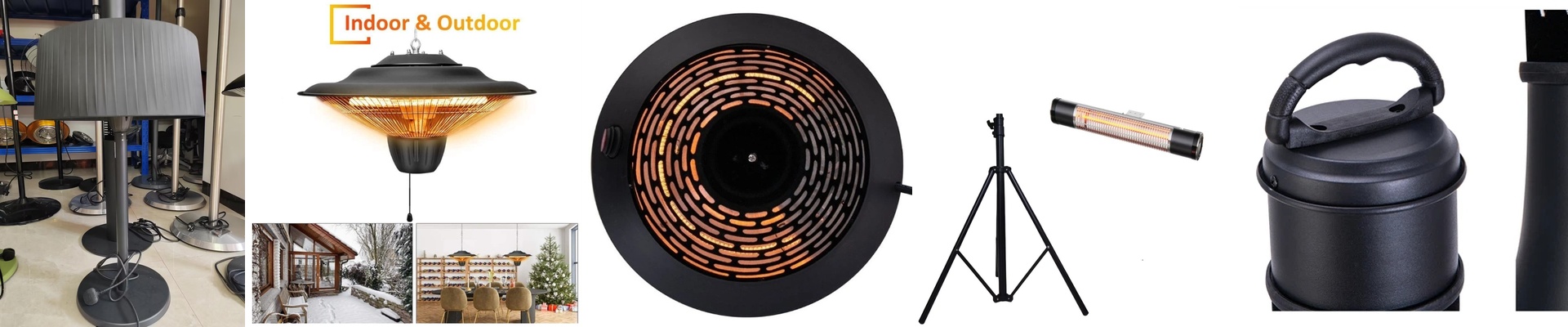
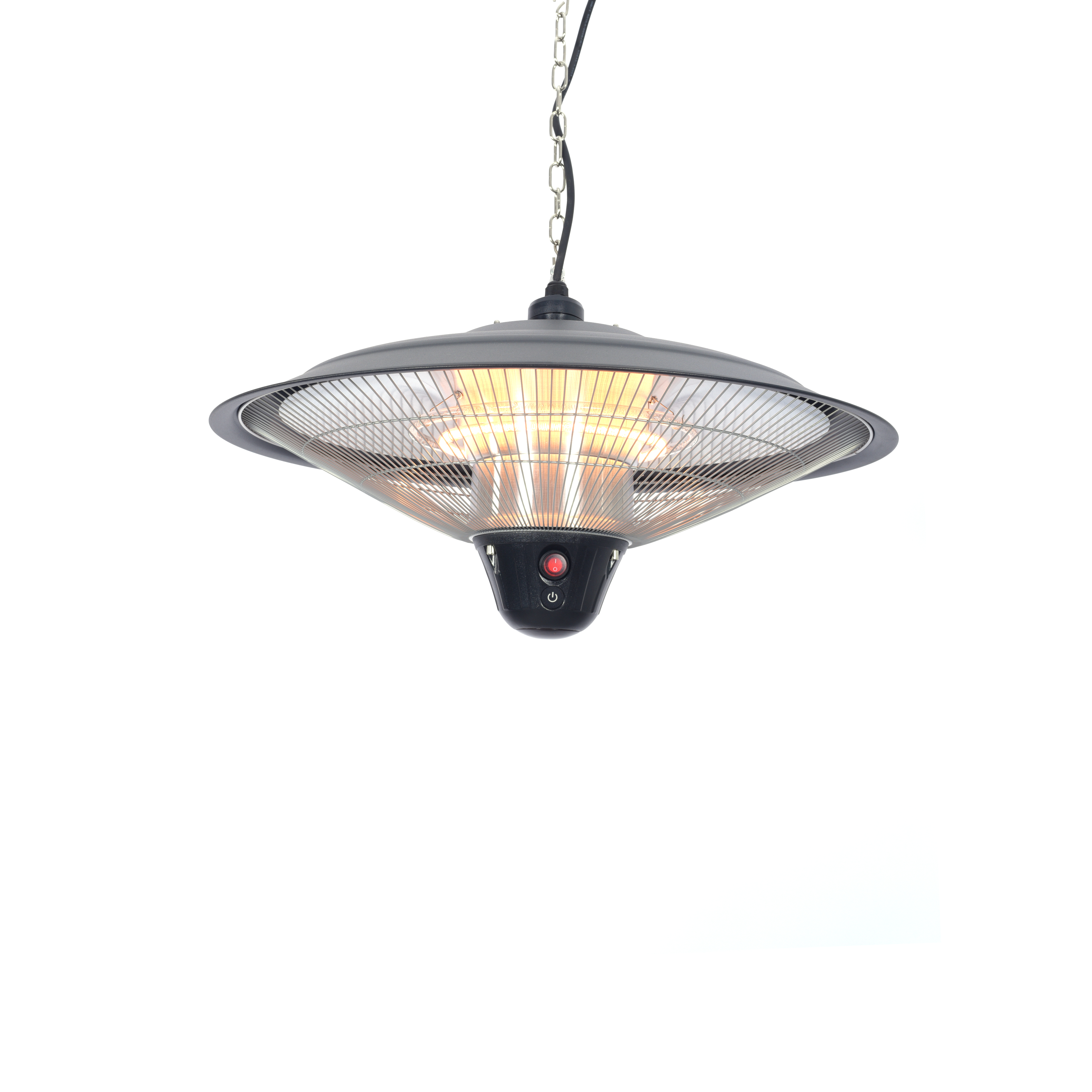
Putting a 1500W infrared heater in a gazebo is a bit of a gamble. You’ve got intense heat fighting against outdoor humidity, morning fog, and the occasional accidental splash. It’s a rough environment. If you don’t protect the gear, the electrical contacts rust fast and the heating element just… quits. The battle against moisture We’ve designed these units to keep water away from the parts that actually matter. Most heaters die because condensation settles on the quartz tube or leaks into the housing. Not a great look. We use sealed gaskets and smart drainage paths to steer moisture away from the wiring. It means you can actually relax. You won’t be stressing about a light drizzle or that salty, heavy coastal air shorting everything out. Why this actually matters for your wallet When water gets inside, corrosion starts. It’s quiet, but it’s deadly for electronics. If salt or minerals from a splash settle on that 1500W element, they create “hotspots.” These spots put a ton of stress on the tube until it eventually cracks. By sealing the chassis and isolating the connections, we break that cycle. You get a heater that actually lasts more than one season. A few things to keep in mind during setup Here’s the thing: a high-wattage heater needs a steady pull of power. And while the internals are protected from water, the outside of the unit still gets hot. Really hot. Make sure whatever you use to mount the heater can handle the heat. If you put it too close to the gazebo’s fabric, you’re going to scorch your canopy, no matter how “waterproof” the heater is. Just give it plenty of breathing room. It keeps the electronics cool and keeps your gazebo from smelling like burnt plastic.